
El-Sayed defeats Stevens in Michigan Senate primary, giving progressives massive win
Dr. Abdul El-Sayed secured Michigan’s Democratic U.S. Senate nomination on Tuesday, defeating U.S. Rep. Haley Stevens. El-Sayed will face Republican nominee Mike Rogers in November to succeed retiring Sen. Gary Peters.
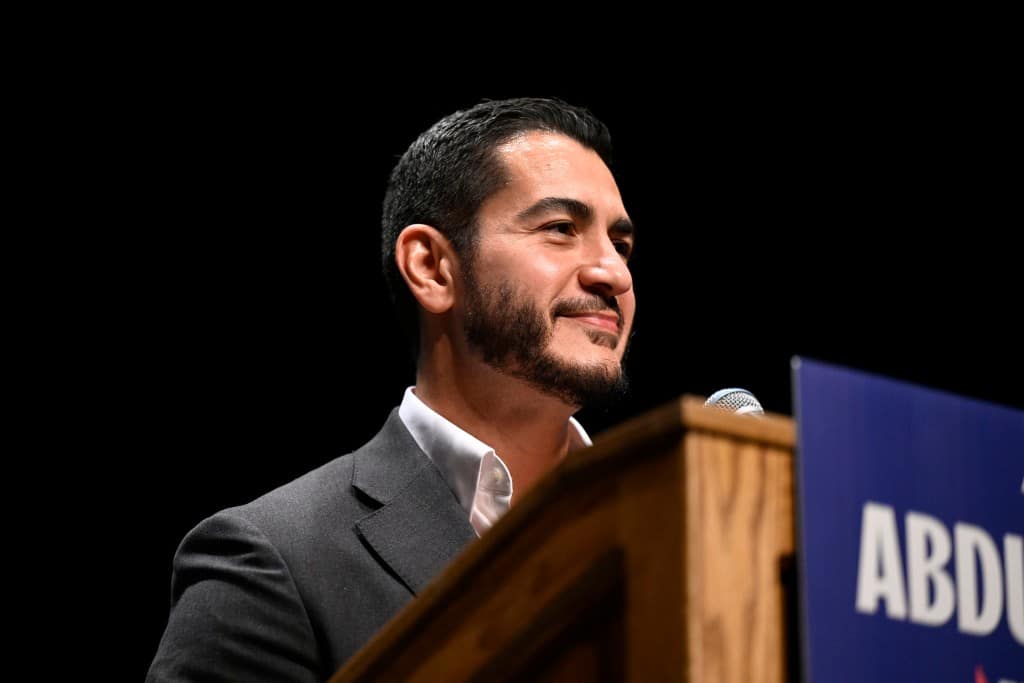
Dr. Abdul El-Sayed secured the Democratic nomination for Michigan’s open U.S. Senate seat on Tuesday, fending off a heavily funded challenge from U.S. Rep. Haley Stevens (D-MI).
NBC News projected El-Sayed the winner on Wednesday in the early morning hours. Other outlets followed suit in the following hours. With 98.7% of the votes counted, El-Sayed had the lead with 740,950 ballots (48.5%) and Stevens had 726,057 (47.5%).
El-Sayed, a physician and former director of the Detroit Health Department, capitalized on strong turnout among young voters and working-class communities across the Great Lakes State. His victory sets up a November general election matchup against Republican nominee and former U.S. Rep. Mike Rogers.
A battle of ideology and outside spending
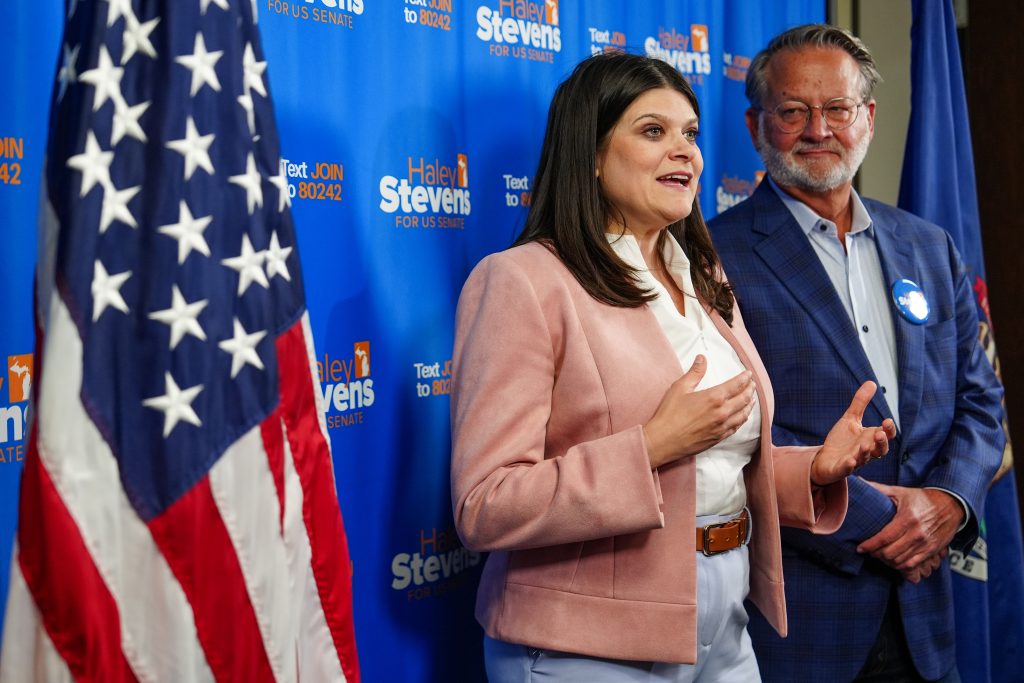
The race to succeed retiring Democratic Sen. Gary Peters (D-MI), who endorsed Stevens, rapidly evolved into one of the most contentious primary contests of the 2026 midterm cycle.
El-Sayed, who previously ran for governor in 2018, campaigned on progressive staples including Medicare for All, aggressive climate action, and refusing corporate PAC donations. Endorsed by prominent progressives including Sen. Bernie Sanders (I-VT), Sen. Chris Van Hollen (D-MD) and Rep. Alexandria Ocasio-Cortez (D-NY), El-Sayed framed his campaign as a grassroots defense against deep-pocketed special interests.
Stevens, a four-term congresswoman representing Oakland County, campaigned as a moderate capable of holding critical Midwestern swing districts in a general election. Backed by establishment figures including Senate Minority Leader Chuck Schumer (D-NY), Stevens emphasized her pragmaticism and “holding Trump accountable.”
The primary turned bitter in its final weeks, dominated by unprecedented spending from satellite groups. The United Democracy Project, a super PAC affiliated with the American Israel Public Affairs Committee (AIPAC), poured over $30 million into television ads and direct mail supporting Stevens and attacking El-Sayed. Stevens is one of the biggest Democratic supporters of Israel in Congress, at one point saying in 2023 that “Israel comes to me in my dreams.”
The airwaves were filled with sharp attacks. Opposing super PACs ran controversial mailers accusing El-Sayed of a pattern of disrespecting women — a claim fact-checkers called misleading — while El-Sayed criticized Stevens for relying on corporate PAC funding and pro-Israel dark money. Meanwhile, late-stage controversy erupted at a Stevens campaign event when a local official made a comment targeting El-Sayed’s Muslim heritage and Arab American supporters, drawing backlash.
Looking ahead to November
With the primary decided, Democrats now turn their attention to defending a crucial seat in the U.S. Senate. El-Sayed will face Rogers, who ran unopposed in the GOP primary with an endorsement from President Donald Trump.
Rogers, who narrowly lost a 2024 Senate contest to Sen. Elissa Slotkin, has signaled he will attempt to paint El-Sayed as out of step with Michigan’s suburban swing voters. However, El-Sayed’s campaign argues that his message of economic populism and health care reform will energize turnout across both rural counties and key urban hubs throughout Michigan. El-Sayed has also said that Rogers “has the personality of a floor.”
Heartland Signal encourages news organizations and content creators to use our content. You're welcome to republish this article for free as long as you follow our republishing guidelines.
Related Articles
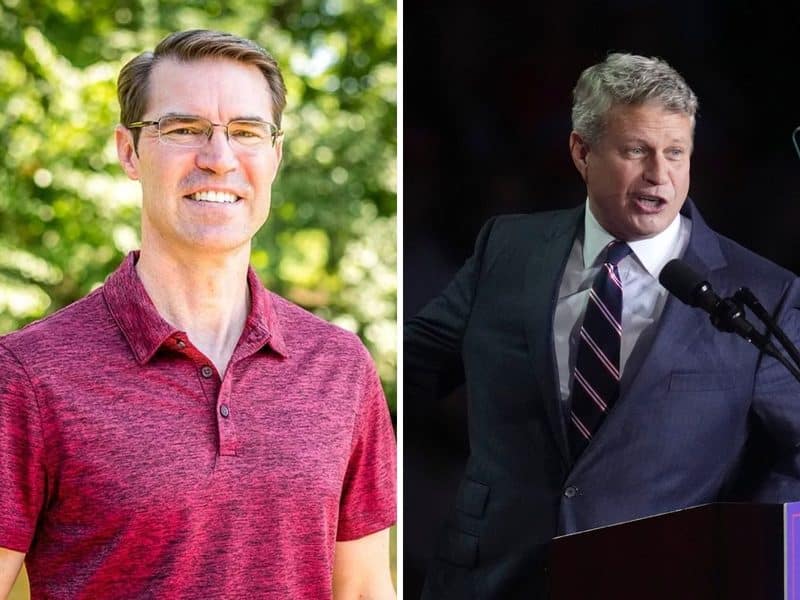
Huizenga v. McCann: What’s at stake in Michigan’s 4th Congressional District
Republican Bill Huizenga and Democrat Sean McCann face off in Michigan’s 4th Congressional District, clashing over health care, tariffs, energy costs and government ethics.
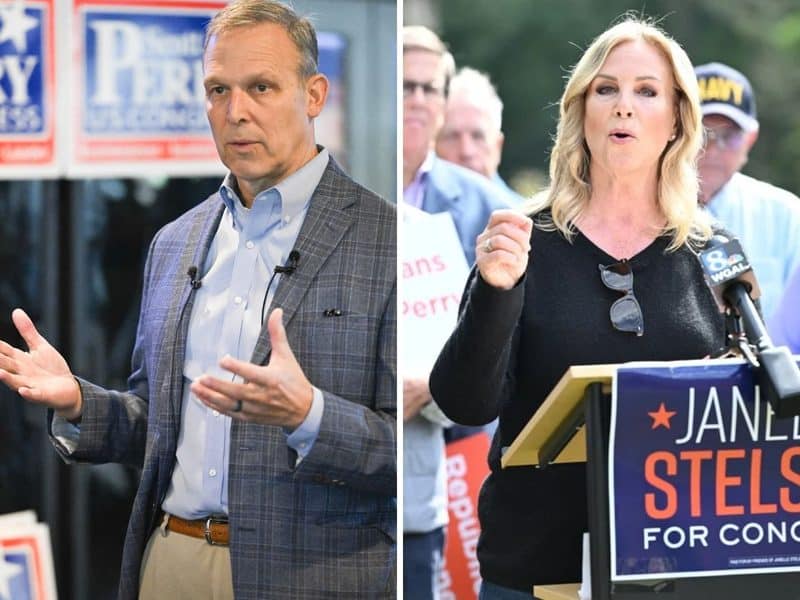
Perry vs. Stelson: What’s at stake in Pennsylvania’s 10th Congressional District
Scott Perry and Janelle Stelson face off in Pennsylvania’s 10th District, a race highlighting sharp contrasts on health care, tariffs, data centers, and ethics.
Iowa’s Miller-Meeks seeks reelection in a district where she neither lives nor votes
U.S. Rep. Mariannette Miller-Meeks is asking Iowa’s 1st District voters to send her back to Congress — but she won’t be voting for herself. Records confirmed by election officials show Miller-Meeks is registered to vote outside the 1st District in Wapello County.