Radio Free America: We need another Anthony Bourdain
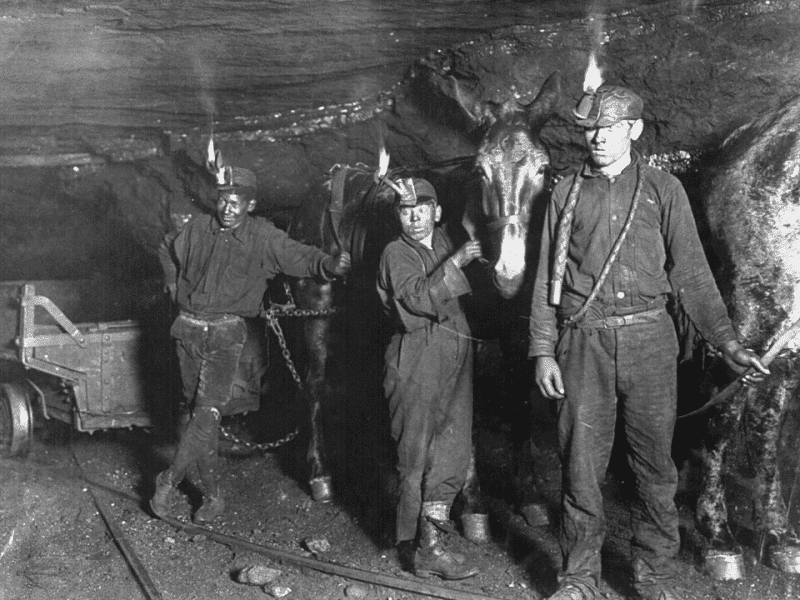
After 2024, Democrats went looking for their Joe Rogan, a podcaster who could reach young men. It found Hasan Piker. The better model premiered on the Travel Channel in 2005.
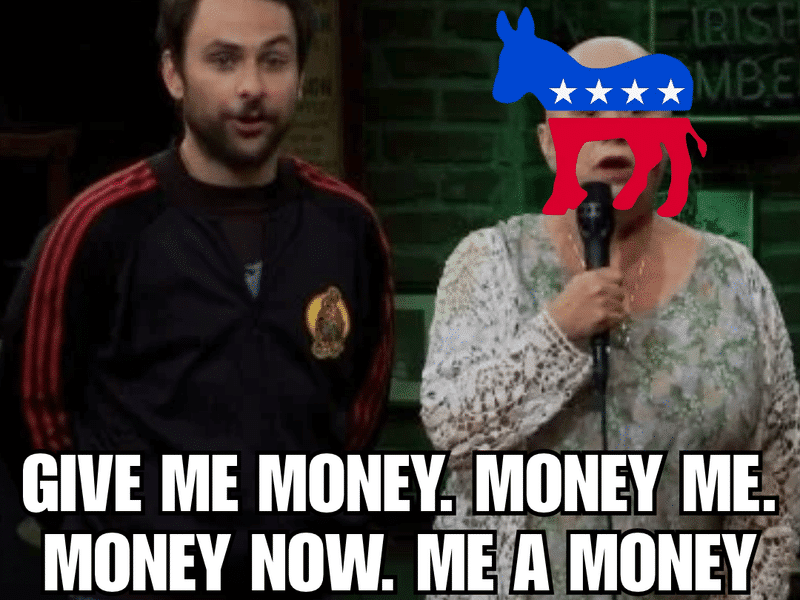
In his latest Radio Free America column, Aaron Kleinman argues DNC Chair Ken Martin could protect Democratic incumbents and push back against special-interest influence by restricting ActBlue strictly to candidates and party committees.
Democratic influencers are demanding Kentucky Gov. Andy Beshear replace Mitch McConnell with a Democrat. There are just two small problems: McConnell is still alive, and Kentucky law explicitly forbids it.
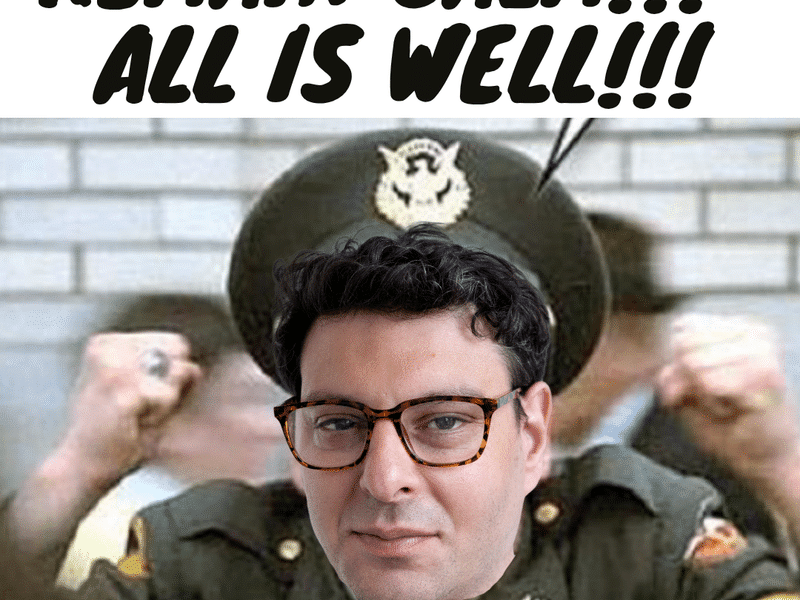
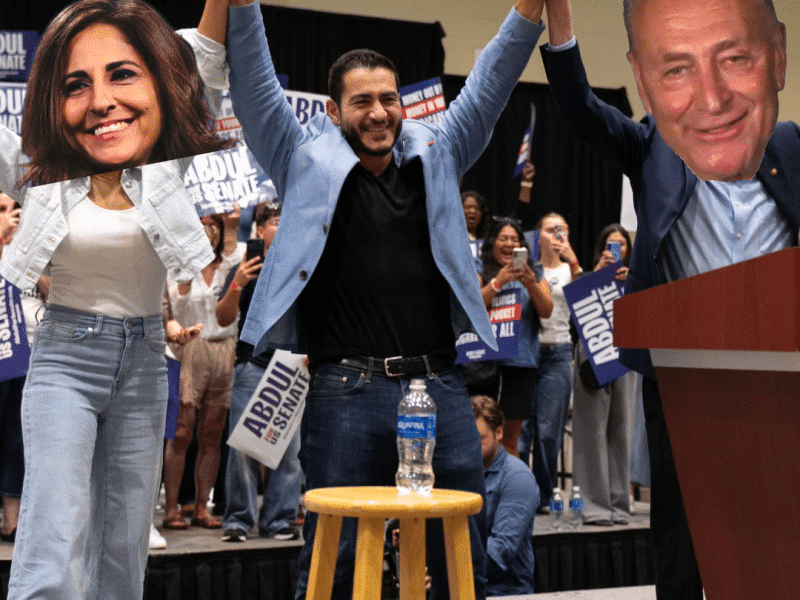
Former nonprofit executives keep campaigning as anti-establishment outsiders. The problem? When your career runs on big donor funding, you are the political establishment.
RFK Jr.’s war on the FDA is making "real food" more dangerous than junk food. As a painful cyclospora outbreak spreads through fresh vegetables, a year of federal budget cuts and deregulation has left the agency increasingly powerless to police what we ingest.
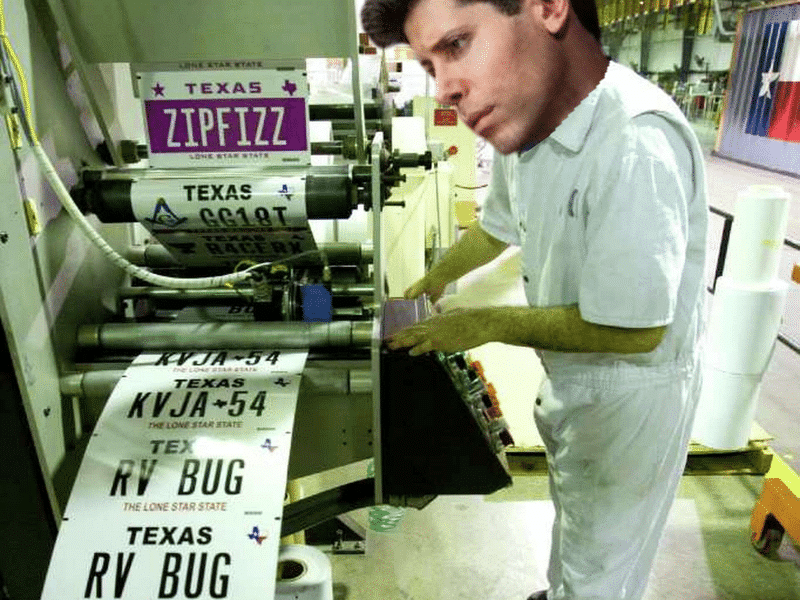
Billionaire Marc Andreessen claims charity is pointless, but his AI data centers are facing major public backlash over their staggering energy consumption. Silicon Valley tech giants could learn a valuable lesson in public relations from Taylor Swift and Travis Kelce.
Kristin Crowell writes, "Washington may be celebrating. But the people living with this law are not."
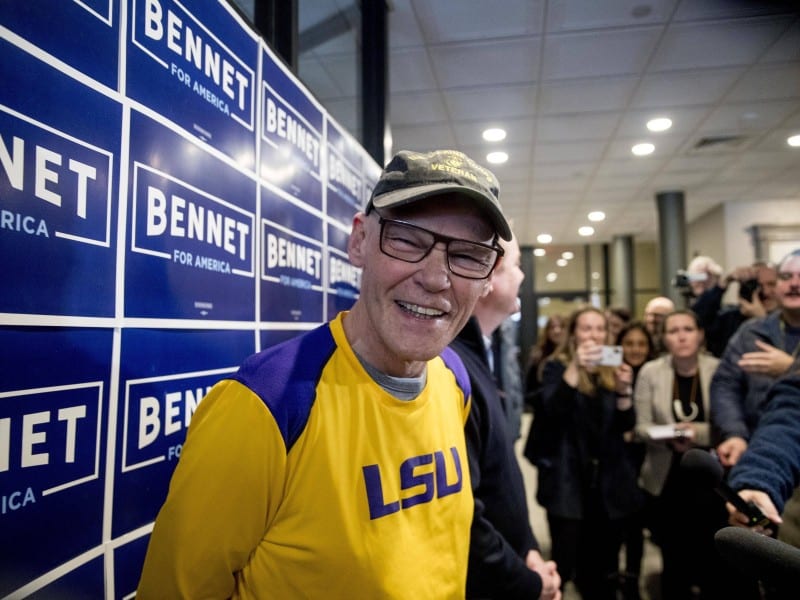
Nathaniel Frum says Democrats can win back men by out-arguing sports radio callers about Arch Manning. He's wrong, but not for the reason you think. Sports do give politicians a way to talk about their values. They're just not doing it.
Stacey Abrams writes, "The U.S. Supreme Court's decision in Louisiana v. Callais gutted the Voting Rights Act (VRA) and has given a green light for politicians in Georgia and across the South to redraw maps that silence Black and brown voters before a single vote is cast."
A 435-district map drawn without partisan favoritism shows what fair districts would look like nationwide — more representative, more competitive, and close to guaranteeing that whichever party wins the popular vote wins the House.