
OPINION: The biggest loser in Iowa was the news media. (Truth was a close second.)
Jennifer Schulze writes: “There was one story that came out of the caucuses, but you wouldn’t know it from the media. That story is, of course, Trump’s authoritarian promise and Iowa’s embrace of it.”
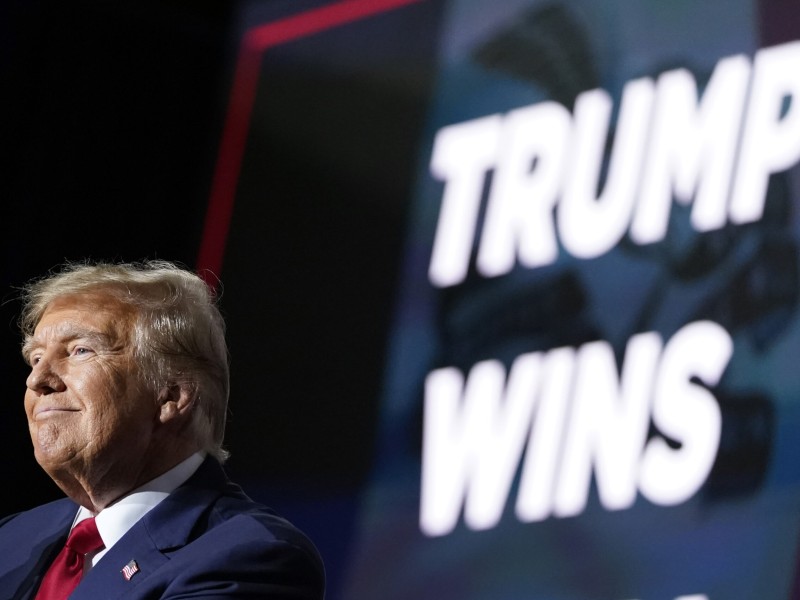
There were a lot of losers in Iowa. The last vestiges of the Republican party were vanquished by MAGA. Trump got fewer votes than an election for a favorite Pokémon character. Democracy took a body blow with polling showing Iowa voters believed in autocracy. Iowa children lost food subsidies and were put to work in dangerous jobs like meat coolers so the governor could position herself as an extremist kingmaker. Small businesses missed the typical caucus windfall because hazardous weather kept the crowds down. Disinformation beat facts. But the biggest loser was the mainstream media.
There was one story that came out of the caucuses, but you wouldn’t know it from the media. That story is, of course, Trump’s authoritarian promise and Iowa’s embrace of it. Instead, we were treated to overstuffed panels, live shots from farm fields and endless reams of glossy Trump voter feature stories.
NBC News actually sent out a press release bragging about its plans for excessive Iowa coverage as if marshaling forces to pretend to be interested in who came in second place is doing journalism.
“NEARLY THREE DOZEN JOURNALISTS TO REPORT LIVE FROM IOWA THROUGH CAUCUS NIGHT”
One would hope that all those journalists might notice how radical Iowa has become in the past few years. But they did not. But if you wanted to know how they were suffering during the bitter cold, the reporters were on it.
CNN’s Oliver Darcy described the dismal coverage this way:
It’s as if identifying the cause of the calamity is too much to ask. It is, apparently, a bridge too far. The invisible, yet threatening, forces must remain invisible.
That’s how reading and watching much of the coverage of the Iowa caucuses came across. Yes, the national political press pointed to an alarming entrance poll showing that an overwhelming majority — 66% — of GOP caucusgoers do not accept Joe Biden legitimately won the 2020 election. And yes, the news media accurately noted that Donald Trump maintains a firm grip over the Republican Party, despite inciting an insurrection and being ensnared in a messy web of legal battles, among other things.
But crucial coverage of the grave undercurrent in GOP politics that propelled the caucusgoers far outside the Overton window — believing that the duly elected president is not actually the duly-elected president, despite countless fact-checks and court rulings — received little-to-no attention. While one might expect the poll to set off alarm bells and deep soul-searching about the fate of the nation’s democracy, the press failed to interrogate the issue in a real way.
What’s the blame for this media failure? Sadly, I think the biggest reason is that news organizations are lazy. It’s easier to send dozens of staffers and your marquee talent to Iowa to do exactly what you’ve done before. It doesn’t take any thought to focus on the horse race, campaign appearances, weather impacts and vote totals. And in a normal year, that would be okay. But nothing about this moment in our history is normal, and by now journalists know that. Even so, it was apparently just too hard to break old habits to pivot from business-as-usual election coverage to Trump’s march to the nomination with an authoritarian platform.
Philadelphia Inquirer columnist Will Bunch writes: “The networks have too much invested in fancy touchscreens and dramatic ‘Campaign ‘24’ overtures to tell you the truth — that caucuses and primaries are for functioning political parties, and the GOP has become a cult.”
Not only did the press take a hands-off approach to the extremism promised by Trump, but some news organizations also even bent over backwards to portray his Iowa supporters as regular folks. The New York Times invested time and money in a glossy pictorial of Iowa voters but never bothered to ask where those extreme opinions were coming from. (By the way, where are the Biden voter profiles?)
The follow-up coverage of the Iowa caucuses just doubles down on the initial mistakes. Headlines about Trump’s big win are misleading, at best. In a state with over 700K voters, Trump won just over 56K. As WCPT radio host Edwin Eisendrath writes:
The Iowa Caucuses are entirely irrelevant. They play no meaningful role in American politics. Caucus winners rarely go on to be a party nominee. The state is tiny. It isn’t nearly as diverse as the rest of America. And caucuses themselves filter out all but the most politically active citizens.
Tonight in Iowa, it is likely that tonight fewer people will participate in caucuses than live in three Chicago Wards.
There was one bright spot in the Iowa caucus coverage. Some news networks refused to carry Trump’s acceptance speech. Rachel Maddow explains: “It is not an easy decision, but there is a cost to us as a news organization of knowingly broadcasting untrue things. And that is a fundamental truth of our business and who we are.” (See her whole comment here.)
Giving Mr. Trump unfettered access to the airwaves is partly how we got here in the first place, so that was a good move. Let’s hope it repeats in the coming months despite Trump’s threats to yank broadcast licenses away from any networks that don’t do his bidding.
We live in an extraordinary time. The “business as usual” mainstream media paints a picture at odds with this reality. Maybe the news reporting in New Hampshire will reflect that but so far, the coverage has just been more of the same.
Jennifer Schulze is a former Chicago journalist who talks media every month on WCPT 820AM on “Live, Local & Progressive with Joan Esposito” with former Chicago Tribune editor Mark Jacob. You can follow her on Threads @jenniferschulzechi or Twitter/X @NewsJennifer.
Heartland Signal encourages news organizations and content creators to use our content. You're welcome to republish this article for free as long as you follow our republishing guidelines.
Related Articles
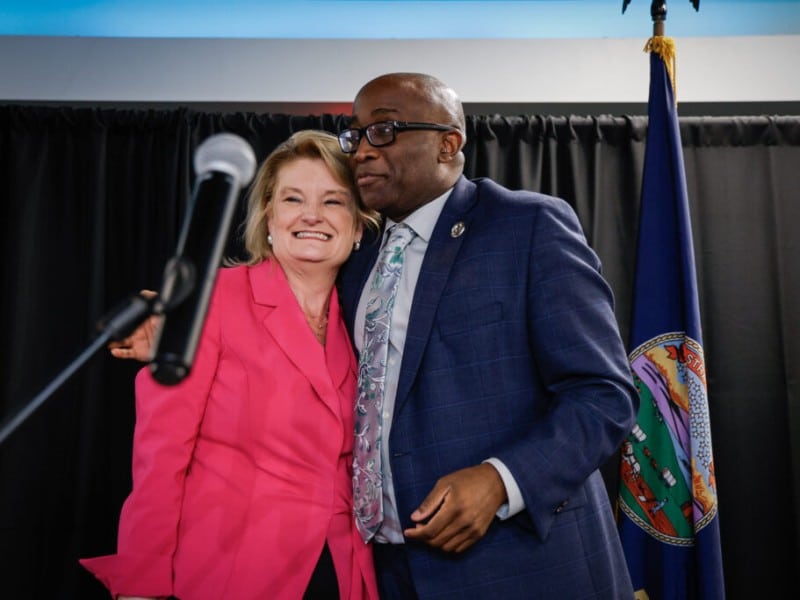
140 years later, voters may have elected second Black Kansan to hold statewide office
Black and Latino voters helped usher in history-making Democratic wins in Kansas.
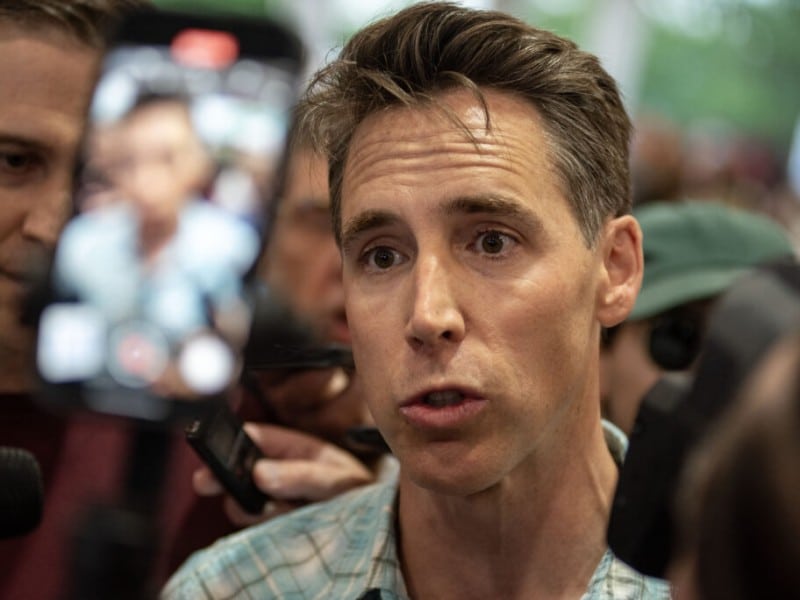
Josh Hawley calls for fasting and prayer after GOP losses, says party abandoned working people
U.S. Sen. Josh Hawley on Monday blamed Republican election losses on his party abandoning working Americans, criticizing cuts to Medicaid that he voted to approve last year.
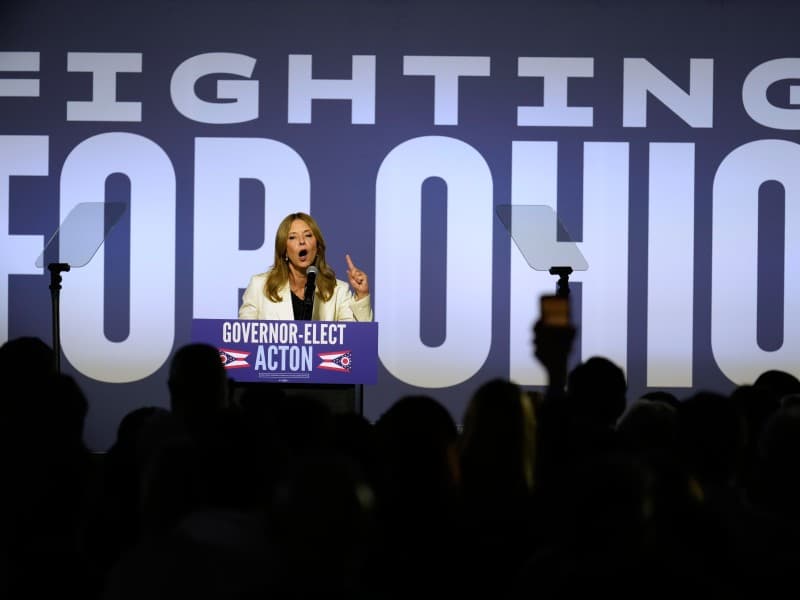
Ohio House Democrats shield Acton’s vetoes from GOP override
Democrats broke the GOP’s Ohio House supermajority in the Nov. 3 election. Here’s what that means for Gov.-elect Amy Acton’s veto and Republican control.