
Overdose deaths decline in South Dakota
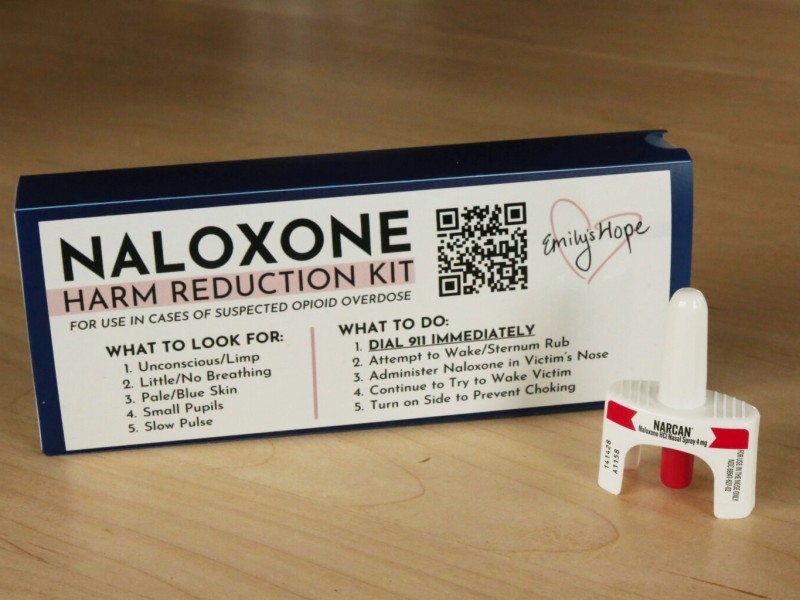
The number of South Dakotans who died from drug overdoses continued to decrease in 2025, but many of those deaths were potentially preventable, according to data presented Wednesday to the state Opioid Advisory Committee.
Drug overdose deaths decreased to 83 in 2025, according to provisional data, down from 94 in 2024 and significantly down from a peak of 104 in 2021. Fentanyl-related overdose deaths decreased by two last year, and meth overdose deaths were cut in half — down from 42 to 19.
Opioid-related deaths were the only category to increase, growing from 39 in 2024 to 41 in 2025.
Of the 2025 overdose deaths, 68 are labeled by the state as unintentional or intent unknown. Sixty-two percent of those victims were white, and the same percentage were male victims. Thirty-seven percent of those overdose death cases were caused by fentanyl, followed by meth at 28%.
Fifty-eight percent of victims of unintentional or intent unknown overdose deaths were between the ages of 25 and 44. That is the “young, working population” mostly affected, said Amanda Weinzetl, with the state Department of Health.
Of those who died from overdose, 25% worked as a construction or trade worker. Another 19% were unemployed and 13% worked in food service.
Opioids made up a larger share of overdose deaths in the northeast and southeast regions of South Dakota between 2020 and 2024, according to the latest data from the State Unintentional Drug Overdose Reporting System. Stimulants, especially meth, were a larger problem in western and central South Dakota.
Over 60% of overdose deaths in that timeframe had at least one opportunity for intervention, Weinzetl said, while 43% of the unintentional overdose deaths happened with a potential bystander nearby, and 21% involved a victim with a known mental health diagnosis.
Those are among the reasons the state is pushing to distribute thousands of kits containing naloxone, an opioid-overdose antidote, to counties across the state. The effort began last year as a partnership with the nonprofit Emily’s Hope and had distributed 22,416 naloxone kits as of February. Distribution sites range from emergency rooms to repurposed magazine racks in hospital lobbies, libraries, grocery stores, gas stations and other high-traffic, temperature-controlled community hubs.
Vanessa Barnes, with the state Department of Social Services, said prevention efforts have to be widespread since overdose deaths are largely unpredictable.
Some areas of the state are oversaturated: the Sioux Falls area has 6,215 more naloxone medications freely available than research suggests it needs, and Pennington County, which includes Rapid City, has 1,542 more than it needs. The state needs to distribute 3,624 more naloxone medications across 48 counties to reach its target.
South Dakota Searchlight is part of States Newsroom, a nonprofit news network supported by grants and a coalition of donors as a 501c(3) public charity. South Dakota Searchlight maintains editorial independence. Contact Editor Seth Tupper for questions: [email protected].
This article, “Overdose deaths decline in South Dakota,” has been republished from the South Dakota Searchlight under Creative Commons license CC BY-NC-ND 4.0.
Heartland Signal encourages news organizations and content creators to use our content. You're welcome to republish this article for free as long as you follow our republishing guidelines.
Related Articles

GOP Wisconsin legislator Zimmerman missed 225 votes last session, some to attend AI summit
Reps. Tip McGuire and Shannon Zimmerman were both booked on the same Milwaukee AI panel on June 24, 2025. McGuire withdrew so he could finish voting on the Assembly floor. Zimmerman made the panel, and votes kept being recorded in his name after he left his seat.
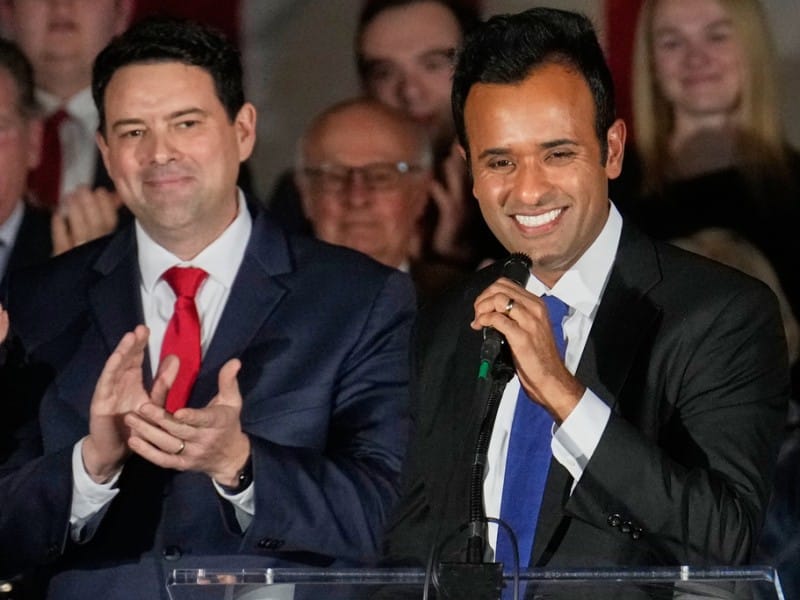
Ohio’s Ramaswamy and McColley have long backed near-total abortion bans
Even after Ohio voters overwhelmingly passed a 2023 constitutional amendment protecting abortion rights, GOP gubernatorial nominee Vivek Ramaswamy and state Senate President Rob McColley remain committed anti-abortion advocates. Audio from a recent rally shows McColley framing the constitutional defeat not as a setback, but as a shift in strategy.
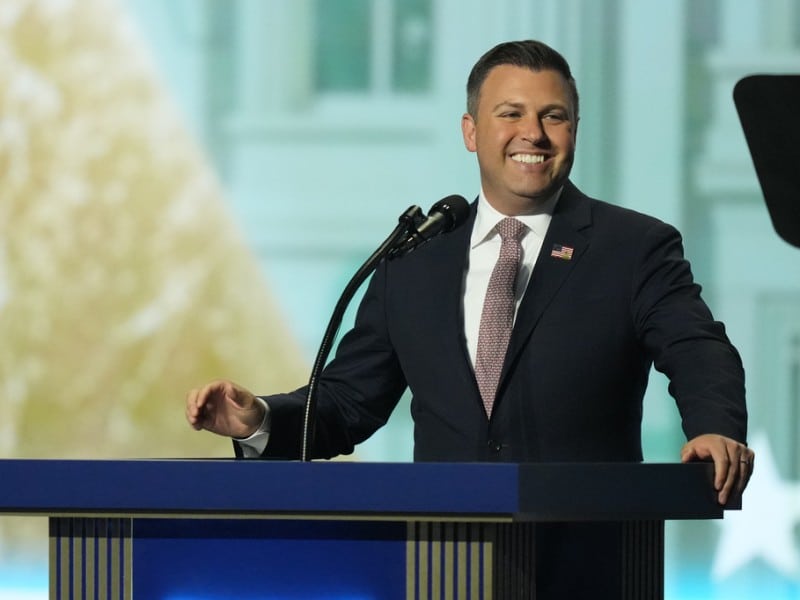
Ryan Mackenzie’s stance on data centers collides with his policy record
Rep. Ryan Mackenzie says data centers should pay their fair share. His record includes a 2021 tax exemption vote and support for limits on local oversight.