
Proposal to establish paid family, medical leave for Pa. workers passes state Senate panel
Legislation to establish a statewide paid family and medical leave program advanced in the state Senate after passing the chamber’s Labor & Industry Committee with bipartisan support.
This post has been republished from the Pennsylvania Capital Star under Creative Commons license CC BY-NC-ND 4.0.
Emily Scolnick is a 2026 Dow Jones News Fund intern at the Pennsylvania Capital-Star.
Legislation to establish a statewide paid family and medical leave program advanced in the state Senate after passing the chamber’s Labor & Industry Committee with bipartisan support.
Should the measure pass, Pennsylvania would join 14 states and Washington, D.C. in creating a mandatory, state-administered leave program. Eligible workers would receive up to 20 weeks of annual paid leave for the birth or adoption of a child or serious medical conditions, or up to 12 weeks of leave to care for a loved one.
The bill, sponsored by Sens. Maria Collett (D-Montgomery) and Devlin Robinson (R-Allegheny), passed the committee by a 9-2 vote. It now moves to the Senate Appropriations Committee for consideration.
“This bill will help families during their most difficult and joyous moments, and it’s critically important to my constituents and workers across the state,” Robinson said during the committee meeting last week.
SUBSCRIBE: GET THE MORNING HEADLINES DELIVERED TO YOUR INBOX.
Collett added that the proposal could be the “most impactful legislation for working families in a generation.” Four million workers across Pennsylvania currently do not have access to paid leave.
The Pennsylvania Department of Labor and Industry would administer paid leave benefits, which would be funded by payroll deductions of no more than 1% of employee wages should the bill become law. The payroll contributions would ensure the benefits come at “no cost to the employer,” Sen. John Kane (D-Chester) said, calling it a “win-win” for employers and workers alike.
The legislation has garnered support from several organizations, including AARP. Teresa Osborne, the group’s state advocacy director, said that this type of proposal has been a priority for AARP and other advocates involved in Pennsylvania’s fight to pass the Family Care Act.
Dan O’Brien, a policy director at Children First, urged the full Senate to vote on the bill at a press conference last week, two days before it passed a committee vote.
“We have over 62% of the Senate signed onto the Family Care Act,” he said. “If a bill was put up for a vote today, it would pass.”
Osborne added that the measure has “critical” bipartisan support, increasing the chances that legislation could pass this year.
Seventy-eight percent of Pennsylvanians, including 56% of employers, support the establishment of paid family and medical leave, according to a report from the Department of Labor and Industry. A state-administered leave program funded by employees could cut costs for employers and ensure that businesses can support their employees with this “important benefit.”
Paid family and medical leave programs also increase worker retention and morale, according to a study from the National Partnership for Women and Families.
Organizations across the state “want to ensure whether you’re caring for a newborn child or caring for an aging parent, you know that paid leave can provide you with that financial and job security,” Osborne said.
Robinson wrote in a press release that “meaningful paid leave is an essential economic competitiveness strategy — and it’s the right thing to do.”
SUPPORT: YOU MAKE OUR WORK POSSIBLE
Paid family and medical leave has gained momentum across both legislative chambers in recent years. Earlier this year, the House passed a paid leave bill, but its version would require employers to cover the costs associated with that benefit. The Senate’s measurel relies on employee contributions.
Some critics of the House’s legislation, sponsored by Rep. Jennifer O’Mara (D-Delaware), have questioned the cost burdens that small business owners would face. However, the Labor and Industry Department’s study says that a state-funded program will ensure these businesses “can compete with large companies to recruit and retain top tier talent” by offering paid leave.
Osborne said that workers ages 55 and up are the fastest-growing sector of Pennsylvania’s workforce. She added instituting a statewide paid leave program would help them maintain their jobs and be able to take care of their families when necessary.
“Finishing this job is something we can all take pride in,” Collett said.
Heartland Signal encourages news organizations and content creators to use our content. You're welcome to republish this article for free as long as you follow our republishing guidelines.
Related Articles
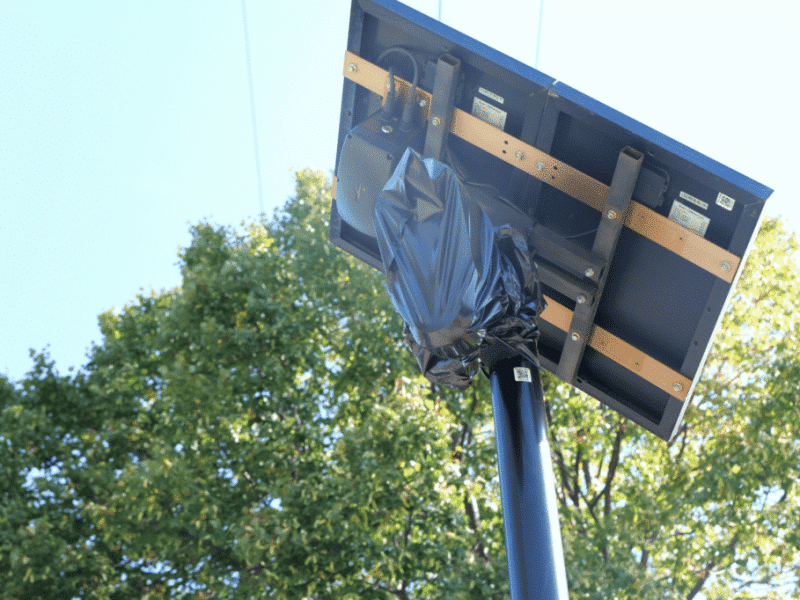
Milwaukee County covers Flock cameras, moves away from controversial tech
Milwaukee County is a step closer to getting rid of Flock automatic license plate reader cameras. On Monday, joined by county board members, Milwaukee County Executive David Crowley signed a resolution directing the removal of Flock cameras from county parks.
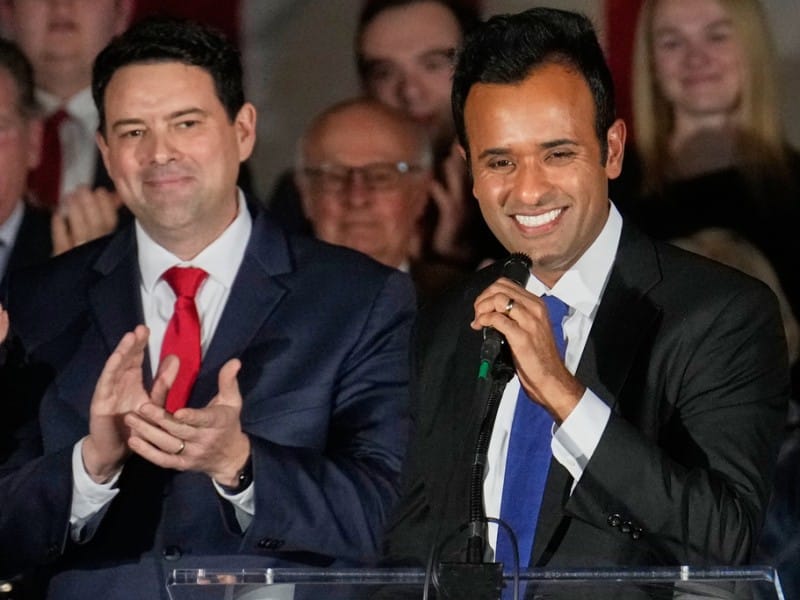
Ohio’s Ramaswamy and McColley have long backed near-total abortion bans
Even after Ohio voters overwhelmingly passed a 2023 constitutional amendment protecting abortion rights, GOP gubernatorial nominee Vivek Ramaswamy and state Senate President Rob McColley remain committed anti-abortion advocates. Audio from a recent rally shows McColley framing the constitutional defeat not as a setback, but as a shift in strategy.
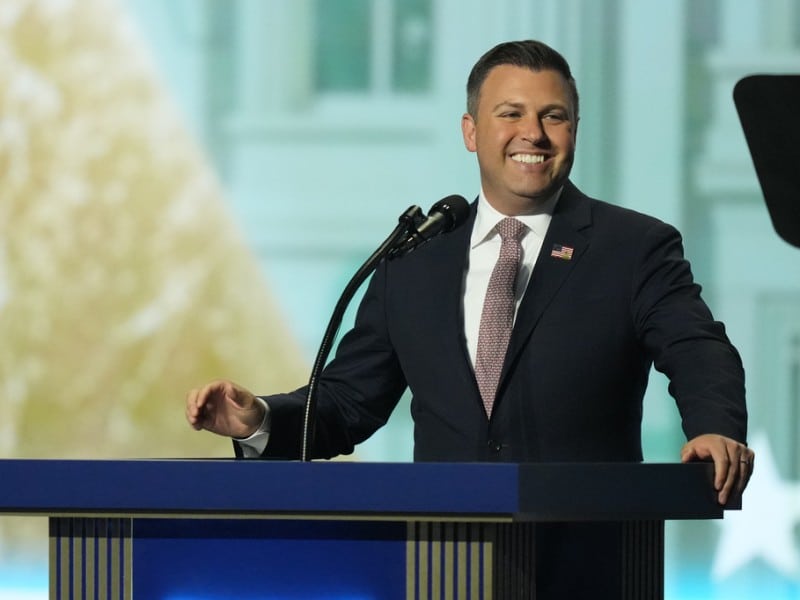
Ryan Mackenzie’s stance on data centers collides with his policy record
Rep. Ryan Mackenzie says data centers should pay their fair share. His record includes a 2021 tax exemption vote and support for limits on local oversight.