
Radio Free America: What Marc Andreessen can learn from Travis Kelce and Taylor Swift
Billionaire Marc Andreessen claims charity is pointless, but his AI data centers are facing major public backlash over their staggering energy consumption. Silicon Valley tech giants could learn a valuable lesson in public relations from Taylor Swift and Travis Kelce.
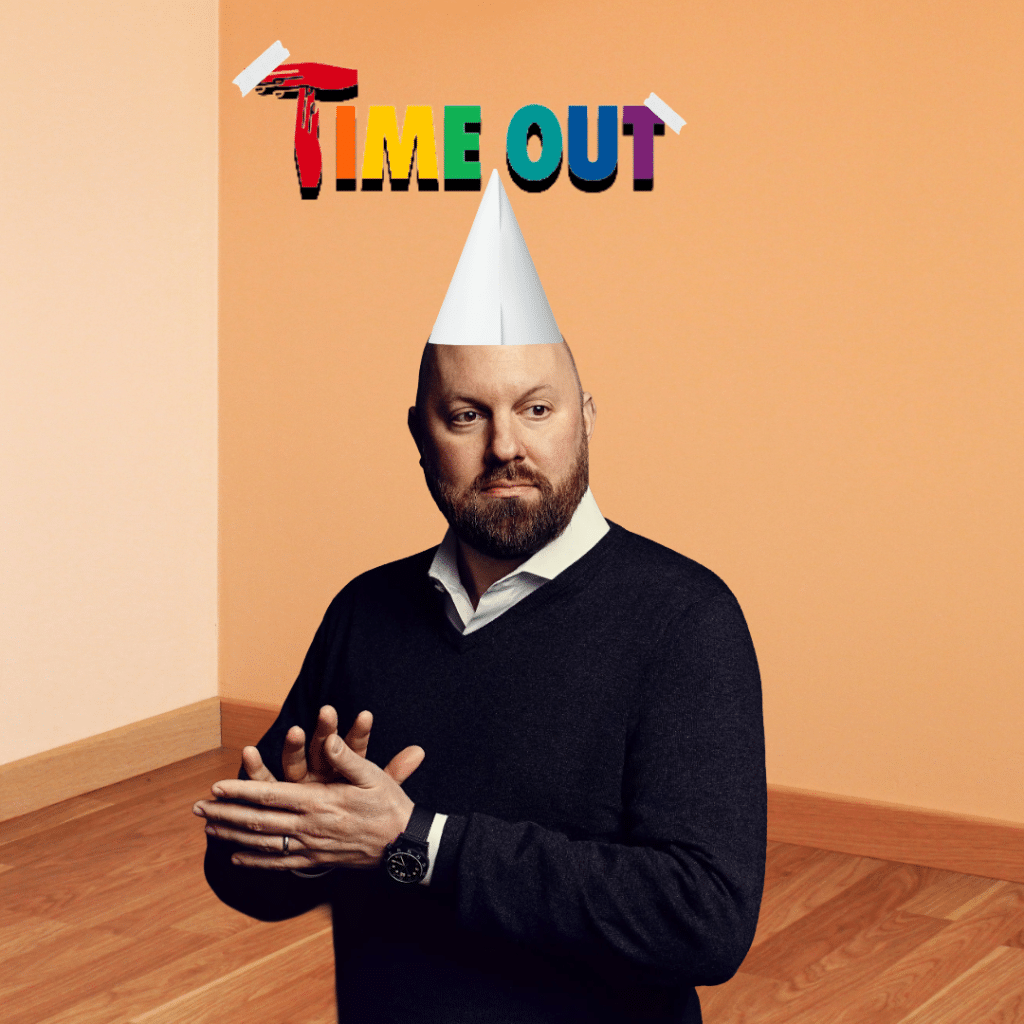
Image by Nikos Michals
Welcome to Radio Free America, Aaron Kleinman’s newsletter on stories that matter in state politics but aren’t getting enough attention. Want this newsletter delivered to your inbox each week? Sign up!
Sadly, my invitation to Travis Kelce and Taylor Swift’s wedding was lost in the mail. Apparently, it was a truly blessed union; congrats to everyone at William Morris Endeavor and Creative Artists Agency who got this one over the line. Adam Sandler officiated! Paul McCartney performed! I haven’t confirmed it, but I’m guessing there was an open bar!
Of course, a big gaudy wedding when people are increasingly pessimistic about the economy runs the risk of turning people against you. Which is why the Kelce-Swifts headed off this criticism by donating $26 million to an array of charities before their weddings. Which, holy crap! Now I feel bad for making that joke about their agents in that last paragraph.
Shutting up wiseacresknow-it-alls like me is part of a long American tradition also known as noblesse oblige. Sure, the Carnegies and Rockefellers and Fricks would run roughshod over this country and its laws, but they would give to a bunch of charities that made everyone like them regardless. It’s a pretty sweet deal if you’re willing to uphold it, and it certainly served our ruling class well for a century. Even a skinflint like Sam Walton was willing to throw a few scholarships around in the small towns whose main streets he was decimating.
But Trump getting elected in 2024 sent a message to billionaires: being bad is good. Marc Andreessen said as much when he was interviewed by straight-A student Bari Weiss on her podcast that same year. Because people still criticized his business practices even after he gave to charity, he decided that charity was stupid. From then on, might made right.
And of course, there are plenty of people who’ve done well for themselves being totally insulated from public opinion. Saddam Hussein had a pretty long run, after all. But Andreessen’s wealth these days is mostly derived from computing-intensive industries like cryptocurrency and AI. And when that’s the case, public opinion does matter.
In case you’re not familiar with how AI works, you need a lot of processing power to run its complex programs. The most efficient way to get this processing power is to construct a warehouse full of top-of-the-line computer chips. These data centers usually employ few people once constructed, and they use a LOT of electricity. By 2028, they could be using 12% of the electricity output of the entire country, a staggering amount when you consider these things barely existed a decade ago.
And as it turns out people don’t like living next to power-guzzling warehouses where nobody works. And as Paul Krugman pointed out, the AI companies’ predictions that they were bringing about Skynet instead of the next generation of B2B software was great for their share prices, but terrible for public perception. On top of that, the people funding these things, like Andreessen, are telling us that they don’t owe us anything. So it’s no wonder that people are using the only leverage they have against AI companies in trying to prevent data centers from being built near them.
And this is where we come back to the Kelce-Swift nuptials. New Yorkers are born haters, so much so that the Bronx cheer is named after one of its boroughs. So a gaudy wedding when the city’s middle class is getting squeezed can easily turn our fickle public against you. That $26 million donation in the spirit of coming together marginalizes your critics and lets you enjoy what I can only assume was a pretty great wedding cake.
Andreessen said he doesn’t want to deal with nonprofits, though, as he runs the risk of giving money to someone with a facial piercing. But there’s still a way to win the public over by being better corporate citizens.
Climate wonk Jane Flegal has proposed an elegant solution. Instead of banning construction altogether, AI companies would be allowed to build data centers if they help fund power grid upgrades, including getting more renewable energy online. Ideally, this would lower power bills for ratepayers. It could also improve AI companies’ image with the public overall and reduce long term costs. Of course, that means putting money that otherwise could go to short-term goodies like management fees into improving public infrastructure.
States don’t need tech companies to sign on to enact these policies, but it would be a lot easier to move legislation if the billionaires got on board. And when public opinion is so stridently against their products and their warehouses, coming out in favor of cooperation could finally turn public opinion around on Silicon Valley. Of course, maybe you’d still rather be like Saddam Hussein, but who seems to be having more fun right now: him or Travis Kelce and Taylor Swift?
AROUND AMERICA
- Never let anyone tell you that your vote doesn’t matter. The two candidates for mayor in Sioux Falls, S.D. (the biggest city in the state) are currently separated by two votes as a recount has started yesterday. Even though mayors are middle managers, it still matters!
- The Free State of Florida is looking like as much of a misnomer as the German Democratic Republic. Just this week, they investigated a 77-year-old veteran for sending a critical postcard to a high-ranking Republican, and a Trump-appointed judge struck down the state’s ban on teaching liberal courses at state universities. Also, the state’s previously hot housing market is cooling off. That could just be a market correction. Or it’s a reflection of the fact that homeowners insurance there is increasingly unaffordable owing to climate change, which according to the governor does not exist.
- North Carolina Republicans are facing a burgeoning scandal of their own as liquor lobbyists have been paying for lawmakers to go on illegal junkets. The scheme also involved a high-ranking member of the state GOP who happens to be the daughter of the chief justice of the state’s right-wing supreme court.
- I had never heard of the 1975 LaGuardia Airport bombing until Elon Green’s story about it this week, and it’s mind-boggling that we still have no idea who killed 11 people there.

- A few weeks ago, I noted that Colorado Republican Victor Marx said he killed a man when he was seven and had killed others since then. Anyway, he’s currently leading the vote count to be the party’s gubernatorial nominee, with few ballots remaining.
INTERNET STUFF I LIKED THIS WEEK
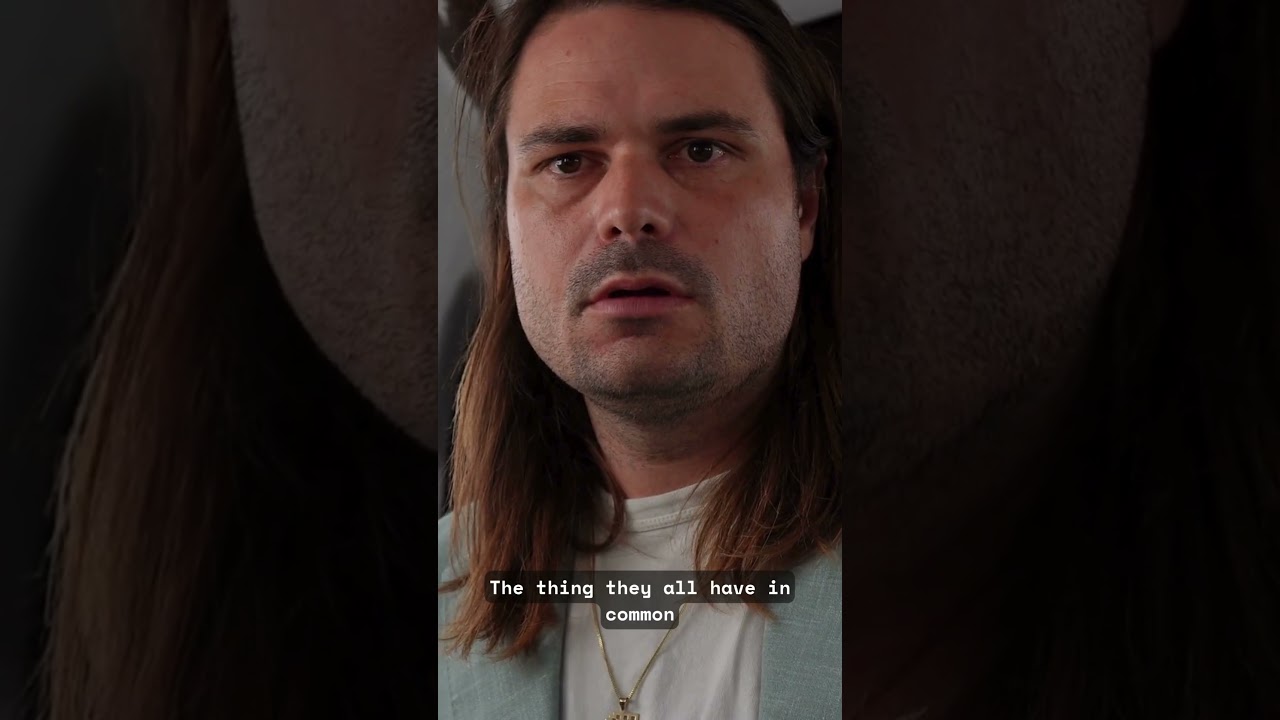
Like many of you, I’ve had glancing peeks into hustle bro culture, where men you never heard of claim they discovered the secret to success and that you can do the same by subscribing to their courses. It’s a descendant of those Tom Vu infomercials that promised you could make a fortune in real estate. And like Vu, a lot of these guys are at risk of facing securities fraud charges. Jason Koebler of 404 Media went through how they pull off these scams with private jet studios, scammy software and genuine hustle culture (like finagling empty Rolex boxes). If you like seeing the curtain pulled back on scammers, this is for you.
BOOK CLUB
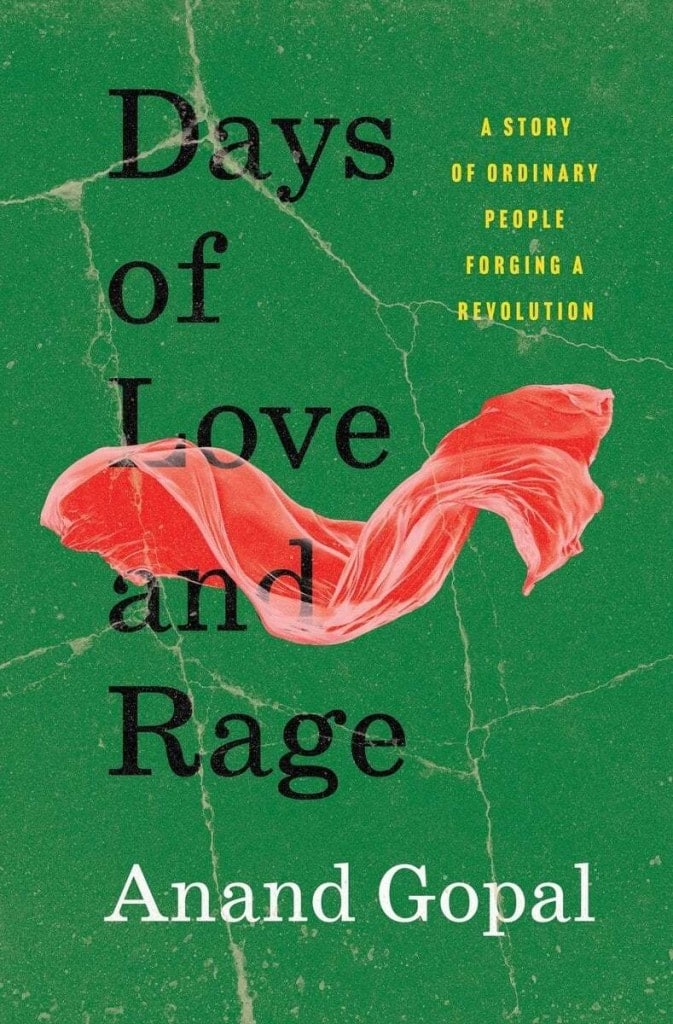
Sometimes, you come across a nonfiction work whose mere existence boggles your mind. The detail about the subjects and their inner worlds is just so incredible it feels like a novel. Such is the case with “Days of Love and Rage” by Anand Gopal, which focuses on the stories of a handful of residents of Manbij, a sleepy Syrian city that’s transformed by the country’s grinding civil war. Among the most indelible characters is Abel Os, a karate fanatic turned neighborhood leader whose story… Well, I don’t want to ruin it. Just get the book.
HELP US OUT
I’m changing things up a bit this week by focusing on popular things that people should not get. What do you see everywhere that’s a total ripoff? For me, it’s Bombas socks, those things are constantly ripping. I’ve had a much better track record with the cheap Skechers ones from Marshalls. What else is a ripoff? Email me what you think.
Want this newsletter delivered to your inbox each week? Sign up!
Heartland Signal encourages news organizations and content creators to use our content. You're welcome to republish this article for free as long as you follow our republishing guidelines.
Related Articles
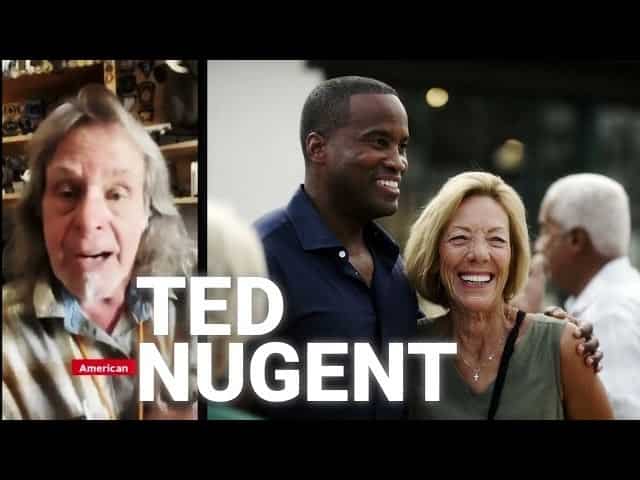
Radio Free America: Let’s talk about who Republicans campaign with
Abdul El-Sayed has been asked about Hasan Piker by what feels like every outlet in the country. Nobody asked John James or Bill Huizenga about sharing a stage with Ted Nugent.
Radio Free America: Leftists are losing the war of ideas
A version of Medicare for All that lets people keep private insurance isn’t a retreat from the left’s goals. It’s a concession to how governing actually works.

Radio Free America: We need another Anthony Bourdain
After 2024, Democrats went looking for their Joe Rogan, a podcaster who could reach young men. It found Hasan Piker. The better model premiered on the Travel Channel in 2005.