
Radio Free America: How Ken Martin could fix the Democratic Party
In his latest Radio Free America column, Aaron Kleinman argues DNC Chair Ken Martin could protect Democratic incumbents and push back against special-interest influence by restricting ActBlue strictly to candidates and party committees.
Welcome to Radio Free America, Aaron Kleinman’s newsletter on stories that matter in state politics but aren’t getting enough attention. Want this newsletter delivered to your inbox each week? Sign up!
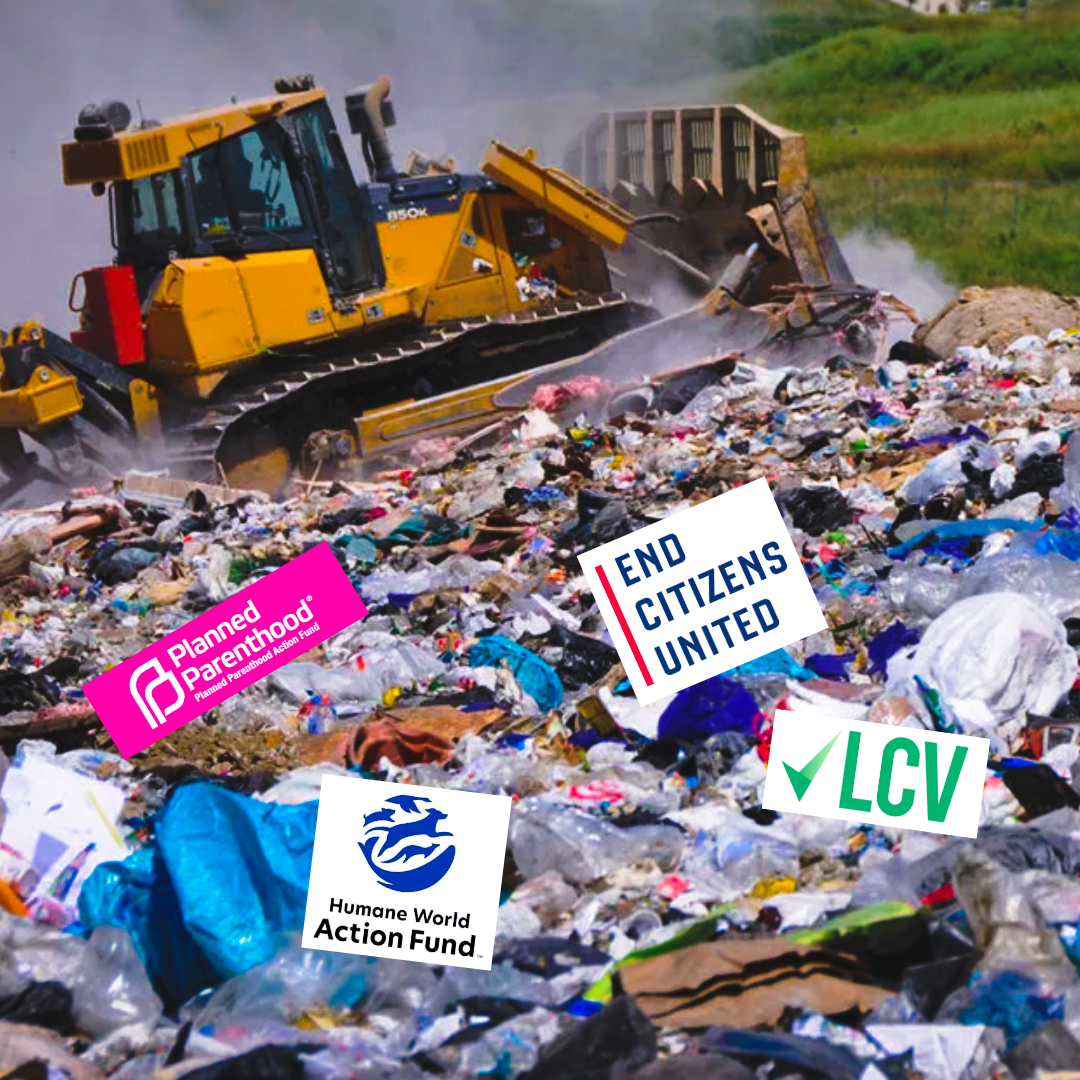
Image by: Nikos Michals
Lobbying Congress isn’t the cartoonish corruption that’s portrayed in pop culture. At least, not in most cases. For the most part, lobbyists try to get someone who already agrees with them to take a specific action. Lobbying isn’t persuasion as much as it is prioritization, asking lawmakers to focus on the principal’s policy (and take specific actions to move it forward) at the expense of others. Often, this priority is not the same as the lawmakers’ constituents, which for the last few years has been affordability.
Indeed, a post-2024 election survey showed that Americans thought that Democrats prioritized abortion, LGBTQ+ rights and environmental issues instead of their own top issues of the economy, inflation and immigration. But they thought Republicans cared about the economy, inflation and immigration. And, well, that’s the whole shooting match. Regardless of whether voters agreed with Democrats on abortion, LGBTQ+ rights and environmental issues, they felt those issues were prioritized over economic concerns.
Yet, the single-issue interest groups lobbying for low salience issues haven’t really faced a reckoning. After all, Democrats still agree with these groups (I call them “the Groups”) for the most part. And there’s still that implicit agreement in lobbying that if you back their pet issues, they’ll help you win your next election.
Well, tell that to Dan Goldman, Adriano Espaillat, Diana DeGette, Shri Thanedar and John Larson. As incumbents who consistently vote with the Groups, you’d have expected them to have saved their political careers. Planned Parenthood Action Fund endorsed all of them. The League of Conservation Voters and Sierra Club each supported three of them. Gun safety, animal welfare and pro-democracy groups weighed in, too. But they all lost anyway. The Groups are asking them to prioritize their issues, but they couldn’t save them in their primaries.
It seems like these special interest groups are increasingly becoming a millstone. After all, Abdul El-Sayed’s message was “Money out of politics. Money in your pockets. Medicare for All.” For Democratic elites, it’s corruption when it’s done by groups that they don’t agree with, like the oil or tobacco industries. But voters might also think that Democrats are corruptly beholden to the Groups who spend on their behalf in elections.
So, what’s to be done? The first step is obvious: Lawmakers should simply not prioritize based on what the Groups tell them. The only special interest they should care about is the American people, and their only priority should be their constituents. But talk is cheap; the political establishment should take some type of action to show that they’re sloughing off the influence of the Groups. And they could have an ally in the most beleaguered man in politics.
DNC chair Ken Martin is facing criticism over his handling of the party’s finances and overall fecklessness. So for the sake of electoral success and to reverse the disastrous decision to outsource basic functions of the Democratic Party to the Groups, he should work to ban them all from ActBlue.
ActBlue should only include actual candidates for office or official party entities. Not only would such a move hobble the Groups, but it would help keep donor money from being wasted on consultants, to the tune of hundreds of millions of dollars over the years. And if the Groups want to survive, they’re going to have to persuade their actual members to go fund them, not strangers whose cellphone numbers they purchased. And those strangers (e.g. members of the Democratic Party) would surely appreciate getting less text spam.
A lot of moderate and liberal Democrats are fretting that they’re losing control of the party. That’s overstated (the party’s nominees, nationwide, are still mostly moderates and liberals). But if they want to reclaim the upper hand on fighting corruption, they should make a big show of pushing back against the Groups. Cutting off the interest groups dragging the party down wouldn’t just be the right message; it’ll help Democrats win, too.
AROUND AMERICA
- Tuesday featured primaries in Minnesota, Wisconsin, Connecticut, Vermont, South Carolina and Alabama. While statewide results are dominating the news cycle, I wanted to feature a few races you might have missed.
- Speaking of listening to your constituents, state Sen. Matt Little won the Democratic nomination in Minnesota’s 2nd Congressional District. His website lists one of his proudest accomplishments — he got his town a new Chipotle when he was the mayor of Lakeville. Gotta give the people what they want!
- In Wisconsin, state Assemblywoman Sylvia Ortiz-Velez lost renomination after she threatened to shoot her colleagues. So congrats to everyone in Madison on getting a safer workplace.
- The Iowa Center for Intellectual Freedom continues to struggle. The state legislature mandated that students take courses from the right-wing think tank, but now the university can’t even find someone to run it. Now, the curricular requirement won’t go into effect until 2028. Hey Iowa Republicans, if you need someone with experience as a MAGA pundit welfare recipient, Luke Perez will be looking for work soon!
- In yet another instance of establishment Democrats ignoring corruption concerns, Hawaii state Sen. Michelle Kidani has been reportedly suffering from dementia since February. But if she resigned, then there would be a wide open primary to replace her. Instead, she stayed in office until the exact date where a party appointment would replace her instead.
- The August Washington all-party primary has usually been very predictive of how Washington will vote in November. It can be hard to extrapolate that nationwide, but adjusting for its unique demographic profile can still generate some insights. So Friend Of RFA Joel Wertheimer crunched the numbers, and it’s still pointing to an electorate that votes for Democrats by between 8-10 points in November. That would be enough to flip the House and put the Senate firmly in play.
- I try not to read too much into differential primary turnout because it’s more a measure of enthusiasm and votes count the same whether you’re smiling or frowning when you cast them. But I think it is worth noting that Democrats won county-level elections held at the same time as its statewide primaries in districts that voted for Trump by more than 30 points.
INTERNET STUFF I LIKED THIS WEEK
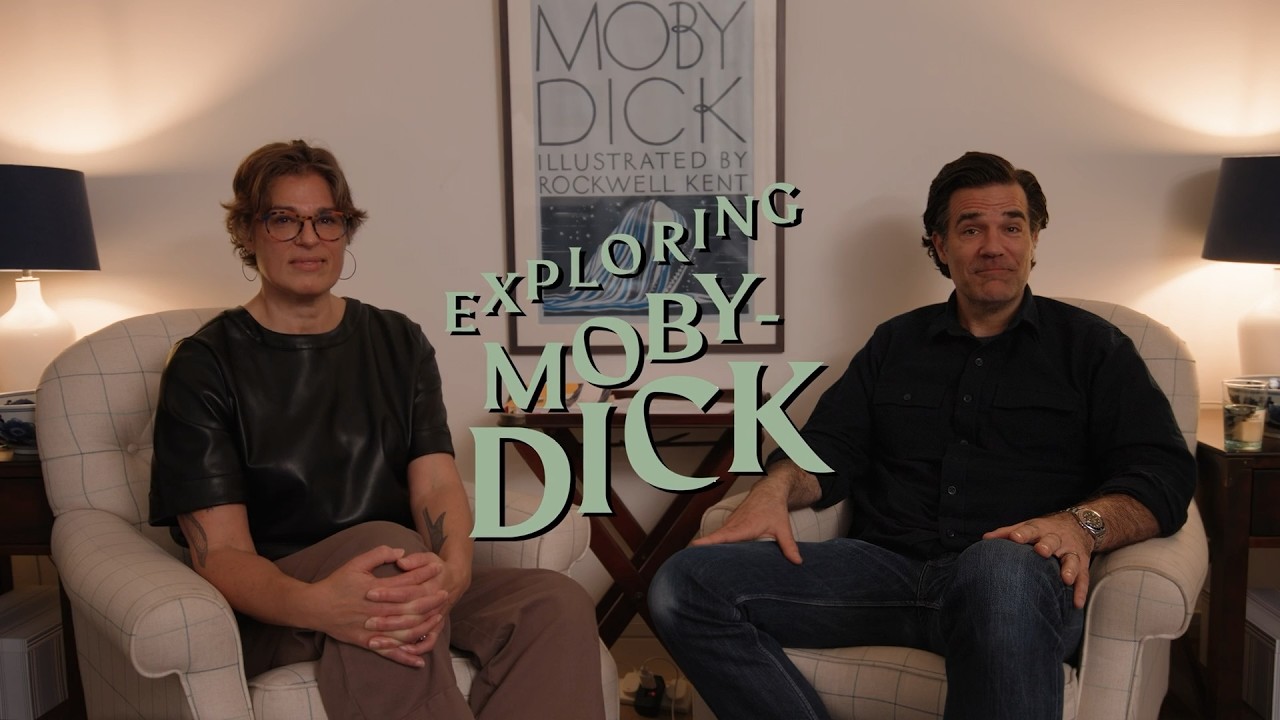
If you subscribe to a newsletter written by a Philistine, it’ll tell you to have an AI agent as a reading companion on one of James Fenimore Cooper’s doorstoppers. Hope it trained on Mark Twain’s work, too! As someone with a modicum of taste, allow me to recommend the 100% human duo of Hester Blum and Rob Delaney. They are releasing a 21-episode podcast series to walk you through all of “Moby-Dick.” Somehow, this was never required reading for me even though I grew up in New England and our hockey team was literally named the Whalers. The first episode was great, and I’m excited to dig into the rest of them as they’re released over the coming weeks.
BOOK CLUB
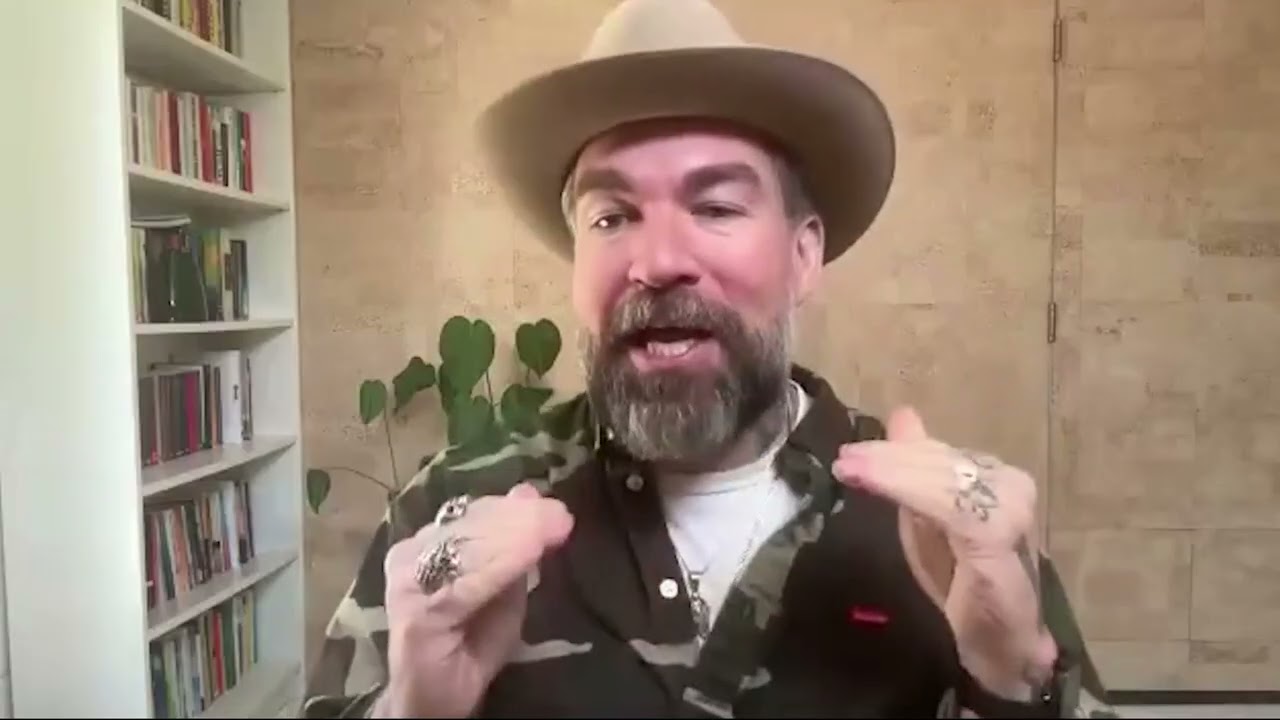
Isaac Fitzgerald’s first book, “Dirtbag, Massachusetts,” was a hysterical, fragmentary memoir that featured among other things… let me put this in a way that can get by my editors… a person capable of autofellatio. So I had high hopes for Fitzgerald’s second book, “American Rambler,” wherein he attempts to follow in Johnny Appleseed’s footsteps. He more than delivers as he continues to walk the tightrope of being funny but not detached, emotional but not maudlin, informative but not condescending. And while the humor isn’t as, uh, ribald as his previous effort, he does poop himself on the journey.
HELP US OUT
Got lots of great ideas for what Christopher Nolan’s next adaptation should be. I particularly liked the idea of “Gulliver’s Travels” — like “The Odyssey,” it features a nonlinear narrative and was a cheesy ‘90s miniseries.
As for this week, Time released its list of the Top 50 most underappreciated shows of the century and as a fan of “Corporate,” “Detroiters,” “Don’t Trust the B—- in Apartment 23,” “Extraordinary” and “Terriers,” they nailed it. But where should I start with the rest of the list? If it helps, the most unappreciated in my book is “Extraordinary.” That should’ve gotten 15 seasons. Email me and tell me what you think!
Want this newsletter delivered to your inbox each week? Sign up!
Heartland Signal encourages news organizations and content creators to use our content. You're welcome to republish this article for free as long as you follow our republishing guidelines.
Related Articles
Radio Free America: How James Carville could cost Democrats the election
James Carville loves needling the Democratic party for blowing the midterms. Meanwhile, he’s actively lending his name to a toxic text spam machine that preys on older donors and wastes millions on consultants.

Radio Free America: Republicans want to make Texas European again
Bo French’s latest social media outburst over South Asian UT football fans isn’t just another offensive post — it’s breaking into the Texas Republican mainstream.

Radio Free America: The lessons Democrats can learn from Charlie Kirk
Charlie Kirk evolved from an internet joke into a political opportunist who recognized that proximity to power was all that mattered.