Radio Free America: Enforce existing laws against AI companies
AI companies like Elon Musk’s Grok and Sam Altman’s OpenAI have been breaking laws for too long. It’s time to make them afraid of jail again.
Welcome to Radio Free America, Aaron Kleinman’s newsletter on stories that matter in state politics but aren’t getting enough attention. Want this newsletter delivered to your inbox each week? Sign up!
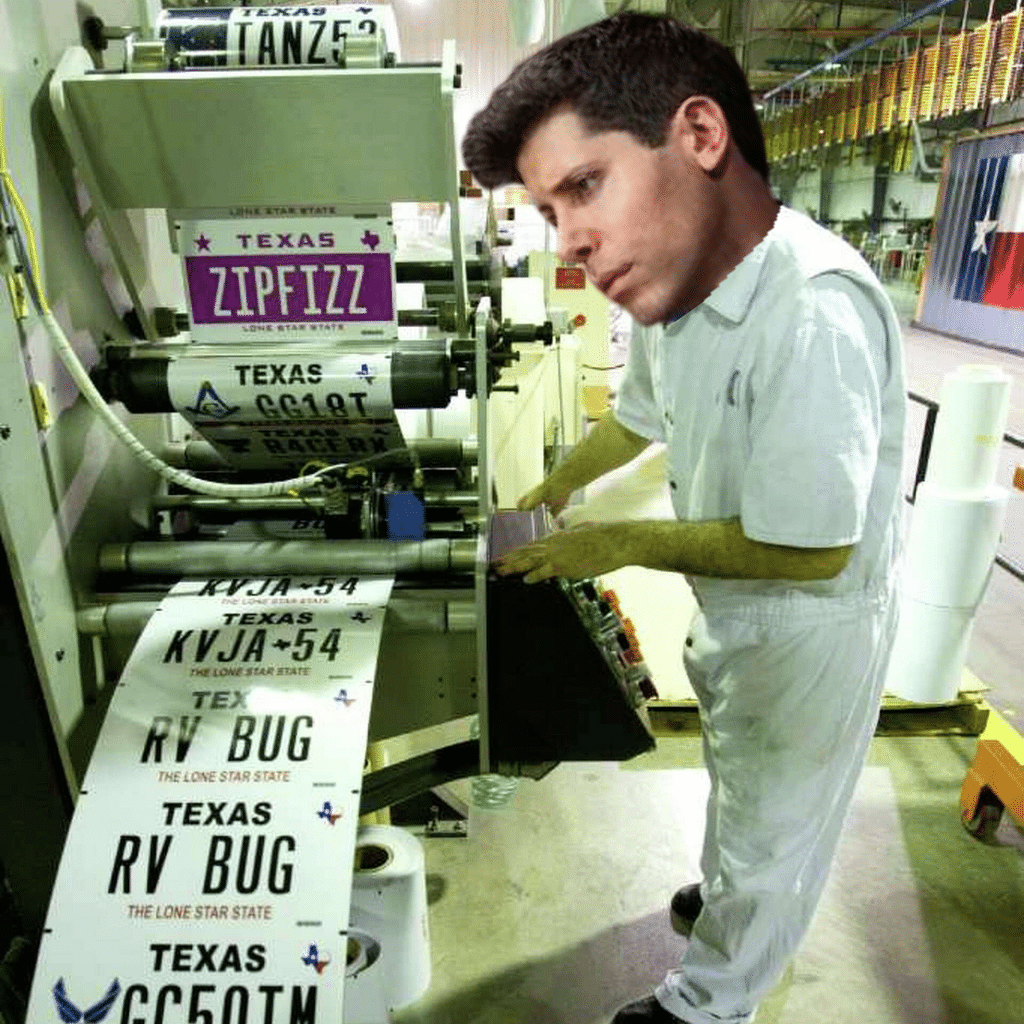
Image by: Nikos Michals
When The Ringer’s Brian Phillips listed the actual risks from AI, the worst of them — killer robots, gas attacks, bioweapons, terrorist hacking, etc. — were all already illegal. So is corporate espionage, which is probably why OpenAI is trying to absolve itself of culpability in the Hugging Face attack. So I get a little confused sometimes when people insist that we need new laws to police AI. Because the issue isn’t that laws don’t cover AI risks; it’s that AI executives are no longer afraid of the law.
Take, for example, nudification. Making nonconsensual, photorealistic nude images of people is illegal almost everywhere. That didn’t stop Elon Musk and Grok from creating a massive deepfake porn machine last year, though. What a new Minnesota law does is make Grok itself, not the person using it, subject to civil liability. And you’re not going to believe this, but Musk hates this law and sued to block its implementation.
That’s the model we need for AI regulation. If their products harm people, the companies who make them should be held liable. Corporate liability laws have helped us rein in companies that cause harm for more than a century, from the railroads to cigarettes. It also fits into what writer Max Read termed “platform temperance.” We can’t regulate AI platforms out of existence, but we can get the government to dissuade them from breaking the laws we set up to govern society through fines, litigation and even prison time.
It’s critical that AI execs start being afraid of prison, because they’ve already broken a lot of laws to make their fortunes. No, I’m not alleging some type of Enron-type financial engineering (though with the trend toward circular lending just wait on that one), but rather their admitted gross, repeated willful violations of U.S. copyright law.
AI companies have used millions of copyrighted materials to train their systems without paying the authors of those works a dime. Well, not until recently, when Anthropic settled with the authors that they stole from for $1.5 billion. A similar lawsuit against OpenAI and Microsoft is pending, alleging even more egregious conduct. One executive says they committed “the largest theft of labor in human history.”
And it’s not as if this is just a dead letter law. Twelve years ago, researcher Aaron Swartz died by suicide while facing decades in prison for downloading copyrighted files. The difference, of course, is that Swartz was just one guy and not a politically connected tech corporation. He didn’t have the presidential administration weighing in on his behalf the way that OpenAI does.
So, why would OpenAI care what laws are written when they can just ignore them as long as they have a politically pliant administration in charge? Spending years trying to get technologists and lawyers to come together to find the perfect guardrails for managing the AI frontier seems pointless.
Moreover, trying to pass laws to slow AI development might be a poor long-term idea. When a new issue pops up, lawmakers love jumping on it with laws to address it in order to show they take it seriously. But lawmakers are just as bad as the rest of us at predicting the future, and trying to call your shot on the specific harms often ends up counterproductive.
There was a time when single stair bans made sense. That time was the 1860s, when modern fire codes didn’t exist, nor did professional fire departments. But states kept passing laws enshrining them even though by 2026, they often stood in the way of building more affordable housing, with no appreciable fire safety benefit.
So while lawmakers are bad at predicting the future, they can be pretty good at assigning blame. Which means we need to start 1) making sure that generally applicable laws cover AI companies, and 2) actually enforcing them.
Indeed, enforcing existing laws should be a priority for anyone who wins electoral power over the next few years. As the Trump administration has gutted federal enforcement agencies, the states should step up in the meantime. And if Democrats win in 2028, they should run on rehiring all the white-collar prosecutors that Donald Trump fired to go after the crooks stealing our money and breaking our laws. It’s even a way to close the yawning deficit — every dollar spent on tax enforcement alone gets you $12 of revenue.
So what do you do if you’re worried about Skynet? Make the people building Skynet afraid of going to prison. You can fight AI risk by ending the era of elite impunity.it’ll help Democrats win, too.
AROUND AMERICA
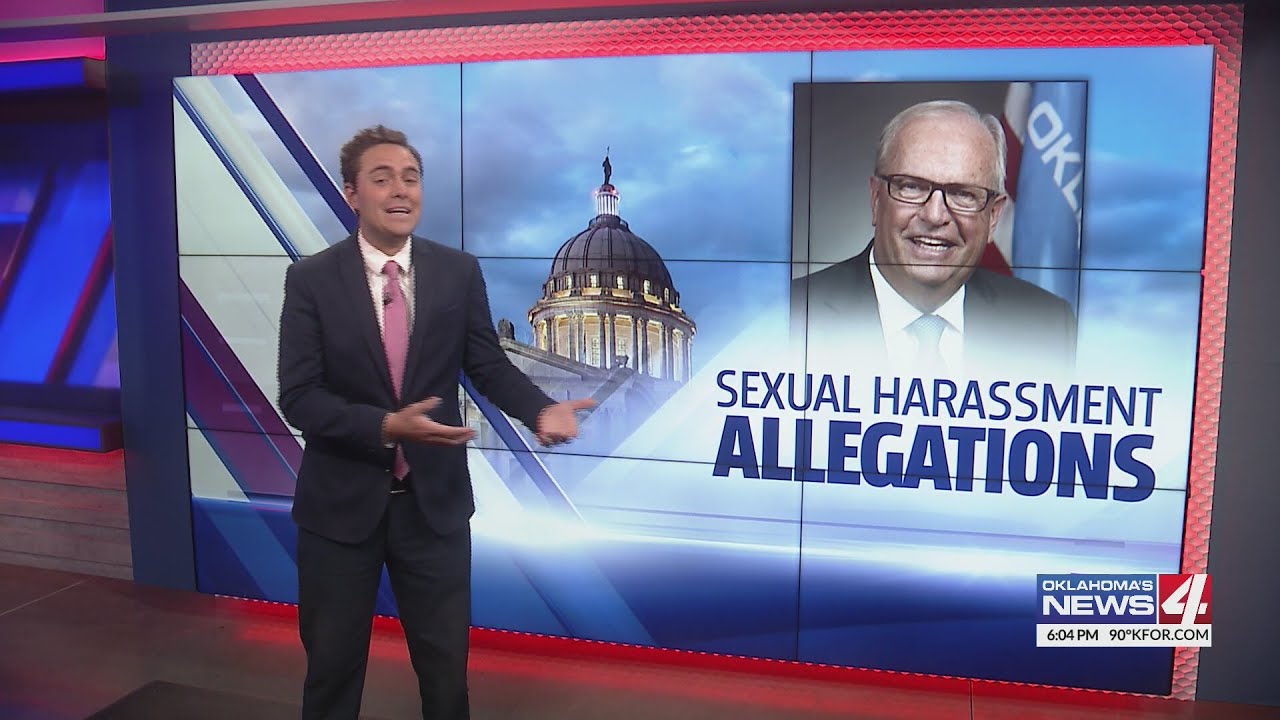
- I get it, state lawmakers are underpaid, often have to spend most of the year working far from home and don’t have enough staff. Still, I don’t think it’s too much to expect Oklahoma Republican state Rep. Danny Williams to be housebroken.
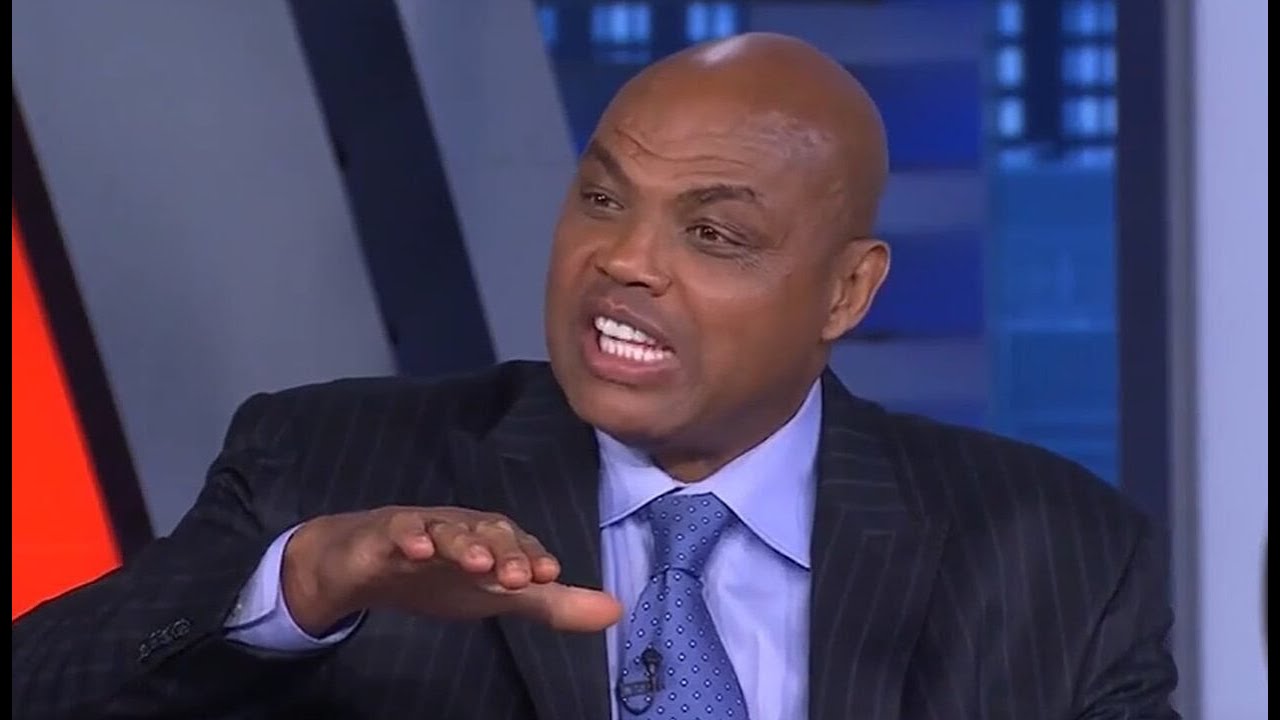
- Gun influencer/Republican nominee for Texas’s 23rd Congressional District Brandon Herrera has a history of making comments that feel more at home on 4chan than the campaign trail. But his latest, calling the people in San Antonio ugly, could cost him votes in his district but also win him support from Charles Barkley.
- If you checked Heartland Signal’s right-wing bill tracker, you might have seen Utah state Rep. Trevor Lee’s name a few times. He wants to ban the Pride flag, make ivermectin available over-the-counter and pass an Anne Frank law that’d make it illegal to have a child immigrant in your house. Anyway, he just got charged with mortgage fraud and resigned from the legislature.
- Donald Trump got an Indian mining conglomerate to announce (not build, I hope we all remember Foxconn!) a new steel mill in Iowa, even though it sure seems like it’d be more efficient to just build it closer to their new mine in Minnesota. In what can only be a coincidence, this was announced just a month before a midterm where numbers coming out of Iowa look grim for Republicans. Anyway, this could end up backfiring in Minnesota. There are a number of close state legislative elections in the Iron Range, with swing voters probably wondering why they don’t just get the steel mill themselves.

- Ohio’s own DJ Byrnes found out that Vivek Ramaswamy’s campaign is so lazy that it’s asking his next door neighbor plastic surgeon to vouch for him in ads.
INTERNET STUFF I LIKED THIS WEEK
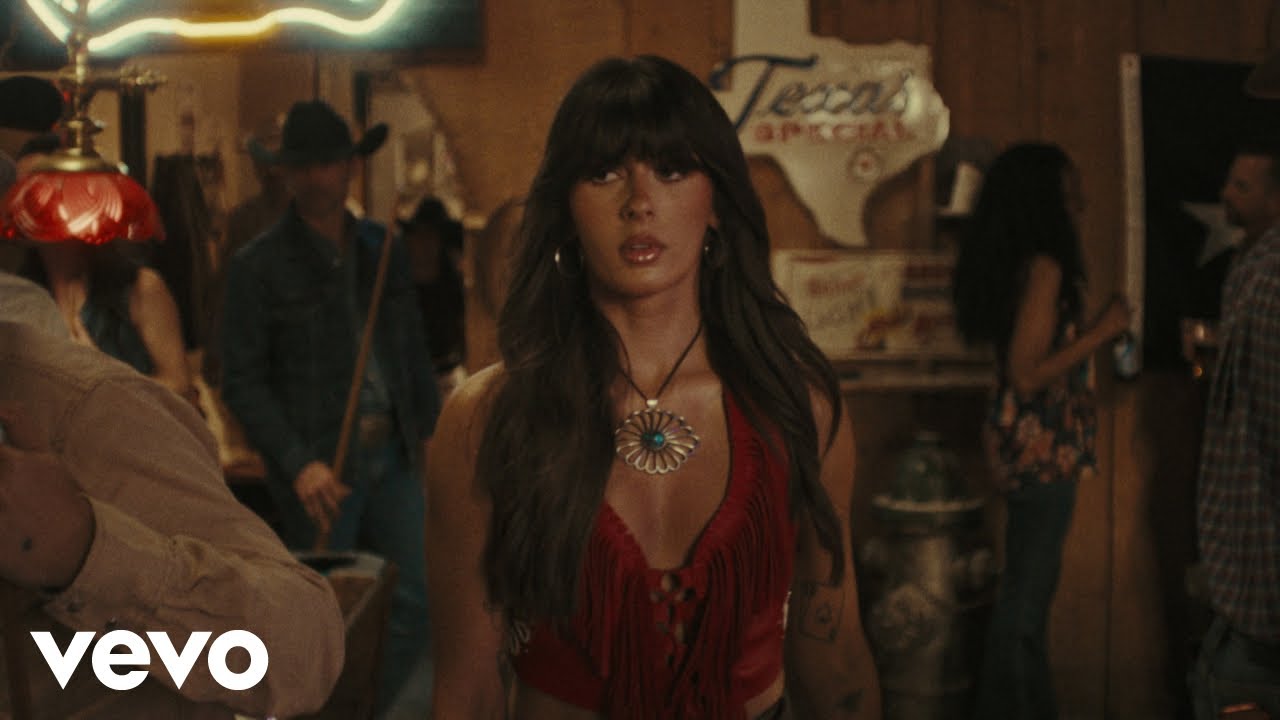
Elder millennials have been positively flummoxed that a catchy country song with a telegenic singer is so popular. But even I’d admit it’s kind of amazing that it broke the record for the most weeks as the Billboard number one song. Cultural critic Ryan Broderick broke down how this happened. The answer is that the music business’s era of overnight viral sensations is basically over. No more OK Go on the treadmills, no more Gotye with his camera tricks, no more Lil Nas X trotting out Billy Ray Cyrus in rhinestones and white fringe.
Instead, the Billboard 100 has been gamified by entertainment execs who do A/B testing on what might become popular. Combine that with what most people seem to agree is cultural stagnation in the music industry, and Ella Langley’s dominance is both explicable and less impressive than it should be. Song’s still good, though!
BOOK CLUB
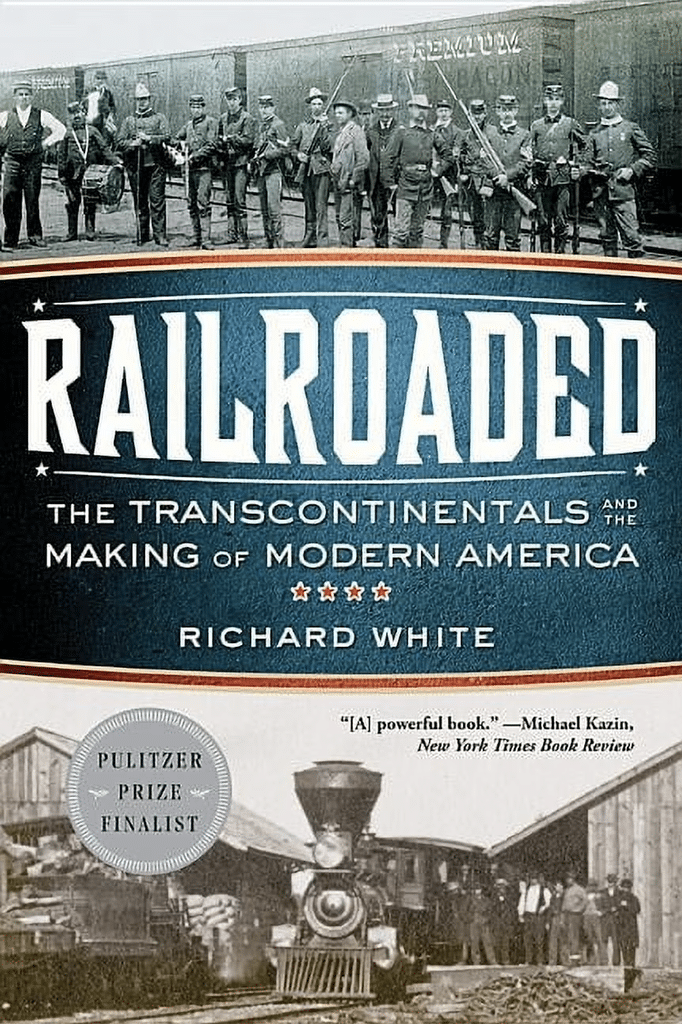
Photo courtesy of W.W. Norton & Co.
While writing about AI regulation, I kept coming back to “Railroaded” by Richard White, which certainly feels relevant in the New Gilded Age. Contrary to popular belief, the railroads were not capitalist success stories; they were actually money-losing government programs where private companies run by reactionary freaks were able to keep the revenues and socialize the losses. They were a transformative technology that not just upended the existing social order but also increased productivity. Perhaps it’s a little comfort that we’ve been through this all before.
HELP US OUT
Sadly, none of my readers last week could come up with a great, living, conservative American novelist. Bret Stephens, you should fund an endowed chair for Michel Houellebecq at Hillsdale so you stop getting mad at your computer.
As for this week’s request, it’s time for the MLB playoffs, which can only mean one thing: Some bumper music getting stuck in our head, likely for the rest of our lives. What’s been the most memorable MLB bumper music in recent memory? Personally, I still can’t get THIS TRAIN out of my head

Do you think anyone else has it beat? Email me and let me know!
Want this newsletter delivered to your inbox each week? Sign up!
Heartland Signal encourages news organizations and content creators to use our content. You're welcome to republish this article for free as long as you follow our republishing guidelines.
Related Articles
Donate or volunteer? How to help a campaign before Election Day
As the midterm elections approach people are wondering how to get involved. As our Aaron Kleinman points out in his Radio Free America newsletter, candidates need your money far more than they need you to cold call strangers.
Radio Free America: Why polls probably aren’t overstating Democrats this time
Democrats are scared the polls are wrong again. But special elections, party ID and economic sentiment all look worse for Republicans than the polls do.
Radio Free America: Every political ad sucks
Sorry that political ads are so terrible. If you want them to be better get your message out year round.