
Minnesota House 3B: Zeleznikar, Schweiger debate data centers, taxes
Control of the Minnesota House could hinge on District 3B, where GOP Rep. Natalie Zeleznikar won her last race by just 159 votes. DFL challenger Aaron Schweiger says investments in child care and local infrastructure are what the district needs, while Zeleznikar warns against returning to one-party state control.
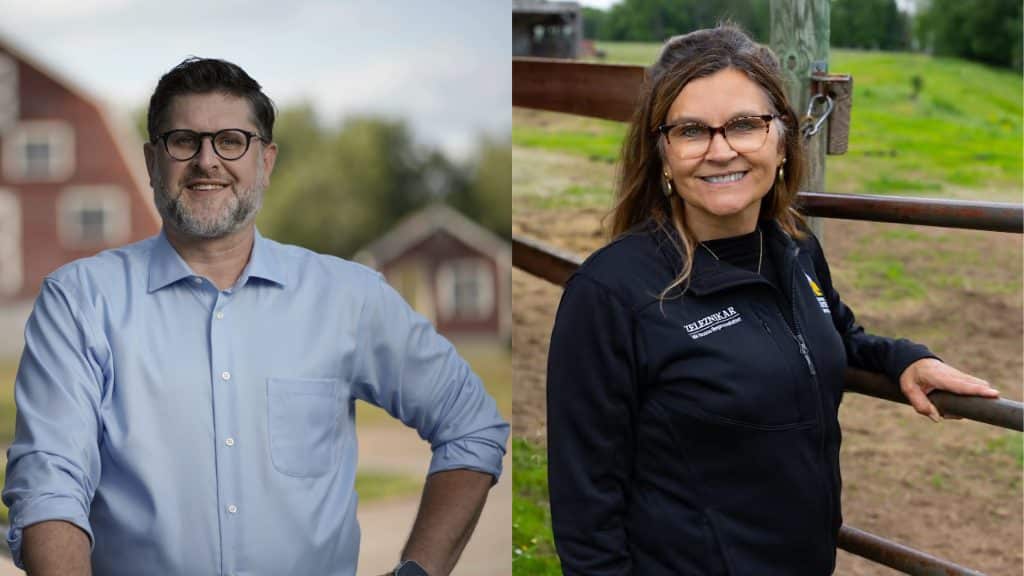
One of the tightest margins of victory for the Minnesota House of Representatives may again happen in District 3B, in the north woods near Duluth.
Incumbent Rep. Natalie Zeleznikar (R-Fredenberg Township) broke a four-decade DFL winning streak when she emerged victorious in the 2022 election by a mere 33 votes. Two years later, she won re-election by only 159 votes.
Those tight margins give the Democratic-Farmer-Labor (DFL) Party reason to believe it can retake the seat and with it control of the state House, and it’s pinning its hopes on real estate developer Aaron Schweiger.
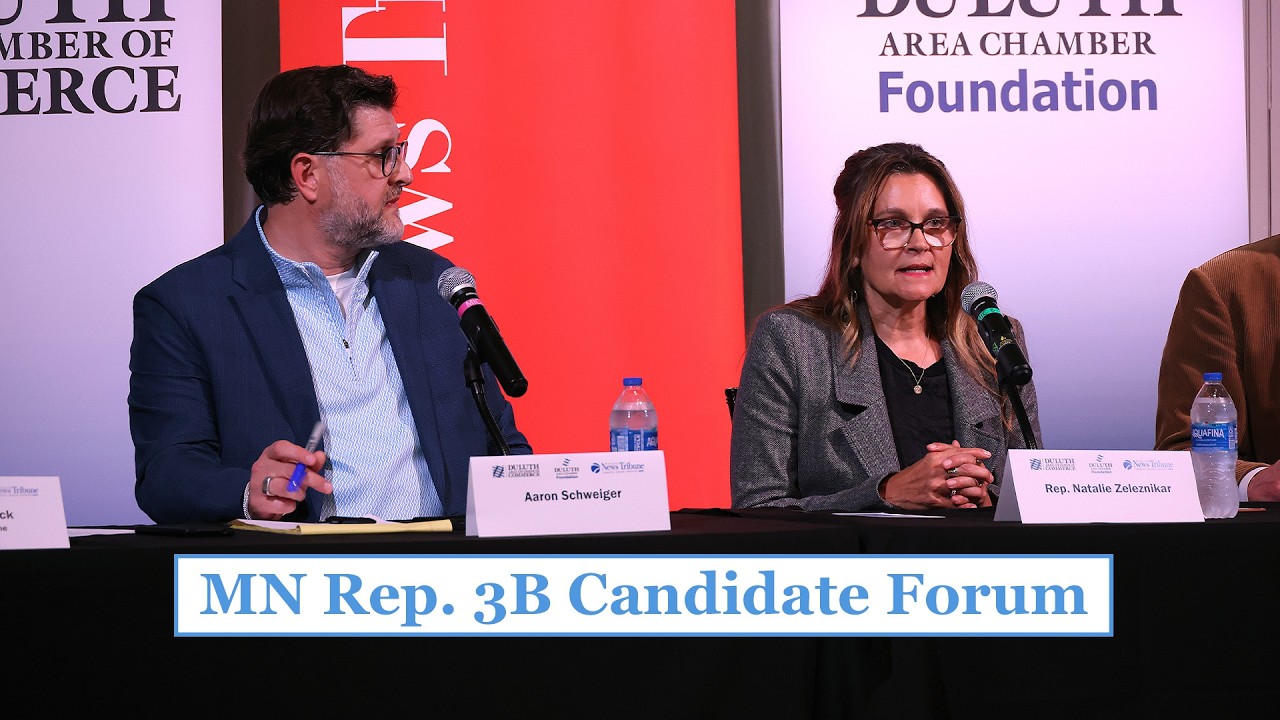
When Schweiger met Zeleznikar at a recent forum in Duluth late last month, the candidates showed differences on issues such as data centers, business, trade, mining and legislative control.
Schweiger, Zeleznikar on data centers
One of the newest issues in the race came this spring with Google’s proposal for a data center in Hermantown.
Zeleznikar said the state already has guard rails in place for clean water and to protect residents from electrical rate hikes. But, she added, there’s more work to be done.
“Things like low frequency noise, there’s some things like that people mention and I think the conversation’s just at the beginning,” she said. “It’s not at the end, and so the session starts at January, and I look forward to more conversations.”
“Our community is scared about data centers,” Schweiger said. He said current regulations are just a start and more needs to be done to protect water, hold down property taxes and electricity bills, and to prevent noise and light pollution.
He also said local communities should have the final word.
“We need to make sure that if big tech comes into a community, the community has that input to decide whether or not they want to allow that to be built in their town,” said Schweiger.
Mines, trade and Minnesota’s business climate
The longest topic of the night focused on the economic challenges facing the district and the state.
Schweiger said President Donald Trump’s trade war with Canada hurt his home building business. He imports much of his lumber from Canada and said prices are up 30% because of tariffs.
“We are living in a world where we’ve disrupted global trade patterns because of these asinine policies,” he said.
Zeleznikar said the bigger problem was high taxes and regulations drive away businesses and jobs. One recent example, she said, was a decision by Mesabi Metallics to build a $15 billion steel plant in Iowa using iron ore it mines in northern Minnesota. But just two weeks earlier, the company told Itasca County officials it was going to apply for a permit to build a steel plant in northern MInnesota, but first it wanted concessions from the state.
“Those are the places that are thriving,” said Zeleznikar, referring to states with lower taxes. “So when the U-Hauls are going out the door, I’d say that’s the unfair trade.”
Later in the forum, Zeleznikar said businesses want a reliable, stable environment in Minnesota, but “they don’t have it.”
“That’s why they’re investing everywhere else. So, we need it for businesses, and we need businesses to thrive, so we have jobs. It’s businesses and employees. It’s not one or the other. It’s both.”
Schweiger said investments in child care, health care and infrastructure are what’s needed.
“At the state level, we can make these investments. We can create the housing that will bring the jobs. We can incentivize companies to come into this region. We can have those child care put into place, health care put into place. And once we create that fertile environment, we will see the benefits grow here in 3B.”
Bipartisanship and control of state government
The high stakes of this race were clearly on the minds of the candidates. Both claimed the flag of bipartisanship and said they were willing to work with lawmakers from the other party to get things done.
But Zeleznikar positioned herself as someone who stopped one-party control of state government when she was re-elected two years ago. She warned that if the DFL were in charge again, it would lead to higher taxes and more state spending.
“We’re at a crossroads, Minnesota,” she said. “I don’t want a billboard on the highway that says, ‘Last one out. Shut the lights off.’ I want you to thrive, not simply survive.”
In his closing pitch, Schweiger stressed it was time for a change.
“Voters have a big choice to make in this election. Do we continue with the same status quo, or do we move in a better direction? Do we keep giving giveaways to big corporations and the 1% or do we invest back into our communities, back into our schools?”
“I believe we can do better.”
The forum was hosted by the Duluth Chamber of Commerce and the Duluth News Tribune. The viewed is embedded below:
Heartland Signal encourages news organizations and content creators to use our content. You're welcome to republish this article for free as long as you follow our republishing guidelines.
Related Articles
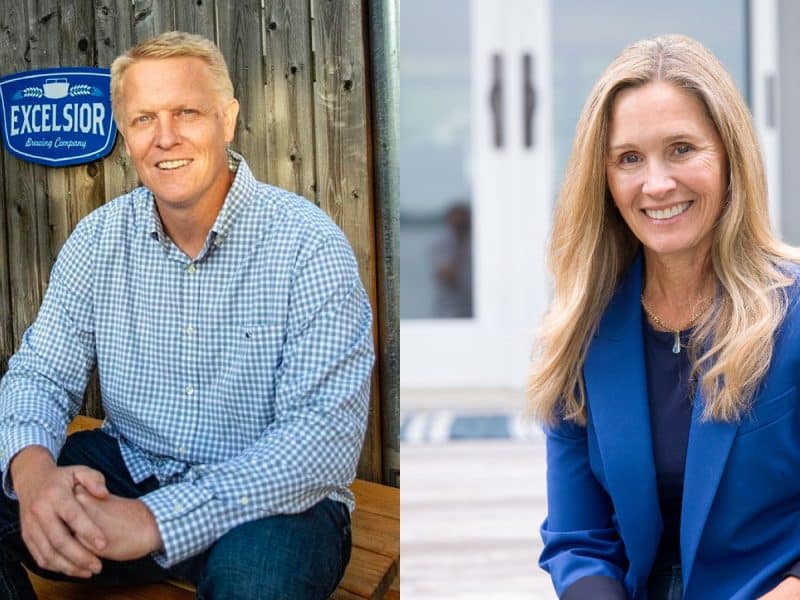
Minnesota House 45A: Myers, Breazeale split on guns, agree on data centers
This year’s race is a rematch of 2022 when Republican Myers defeated Democrat Breazeale with 55% of the vote to her 45%. The DFL hopes to flip the seat blue and, with it, regain a majority in the Minnesota House.
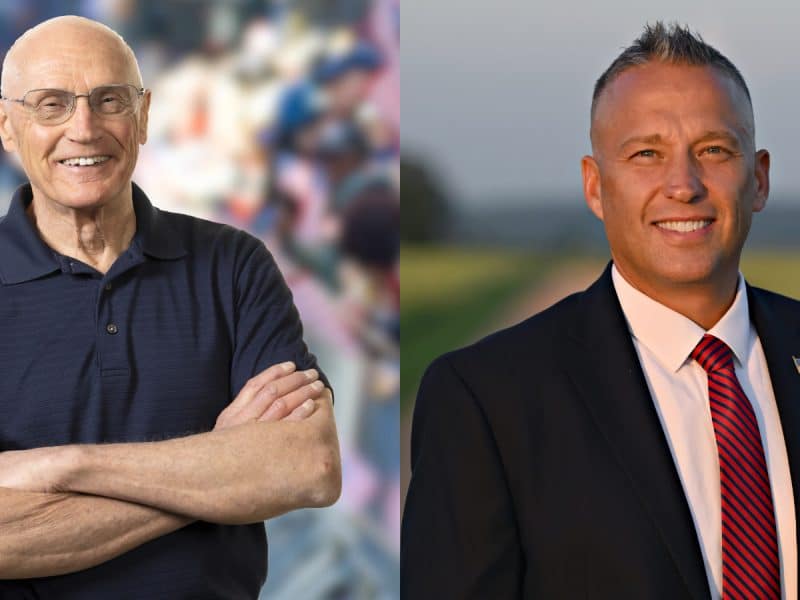
Minnesota Senate District 54: Bakeberg, Olson on fraud, taxes and ICE
Republicans handily won this race four years ago. But the current seat holder is retiring and now it’s seen as a tossup.
Zach Nunn sticks to phone sessions as Trone Garriott holds open town halls
Iowa Rep. Zach Nunn swatted at a reporter’s phone when asked about rural hospital closures — after calling warnings about the issue a “myth” last year. Meanwhile, his Democratic opponent Sarah Trone Garriott is holding open town halls across all 21 counties, while Nunn opts for telephone sessions.