
FACT CHECK: Ad blames Minnesota Rep. Matt Norris for fraud he tried to stop
A new attack ad blames Minnesota state Rep. Matt Norris for “$9 billion stolen” in recent state fraud scandals. Campaign records and legislative filings show a very different story: Norris actually chief-sponsored the state’s marquee anti-fraud oversight bill.
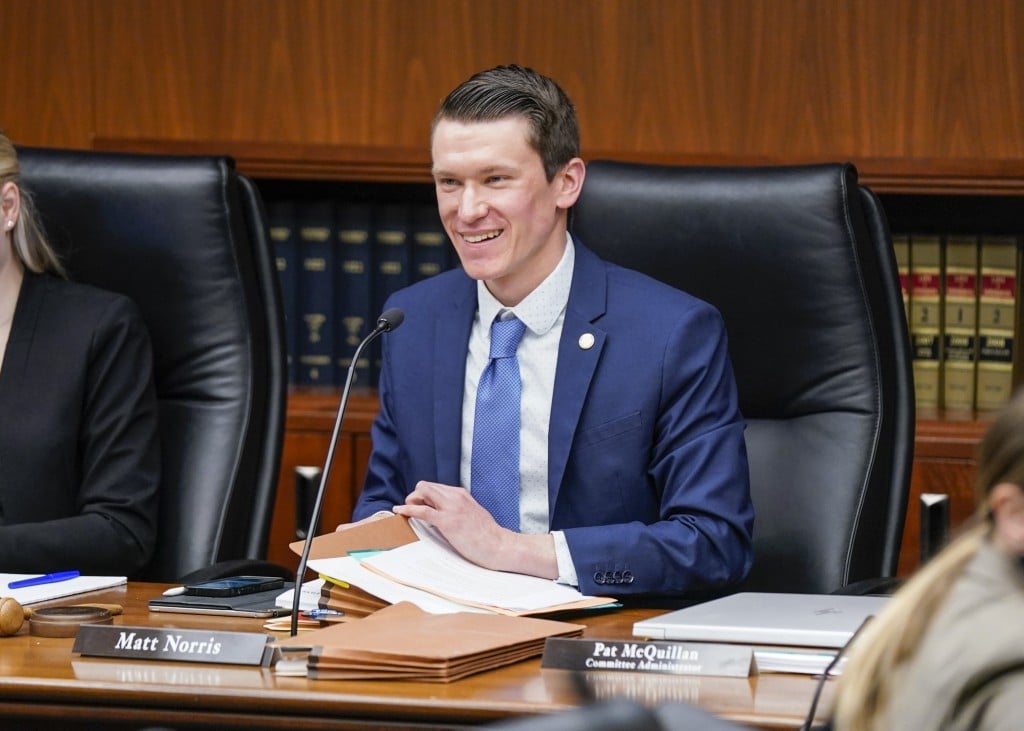
Supposedly, it’s all Matt Norris’ fault.
That’s the gist of an attack ad being used against state Rep. Matt Norris (DFL-Blaine). Norris is seeking his third term representing House District 32B, an area just north of the Twin Cities. His opponent is Republican Leslie Larson.
The ad, produced by the conservative political group Renew Minnesota, is a mashup of the state’s recent fraud scandals and delays getting a major anti-fraud bill through the legislature. It squarely points the blame at Norris.
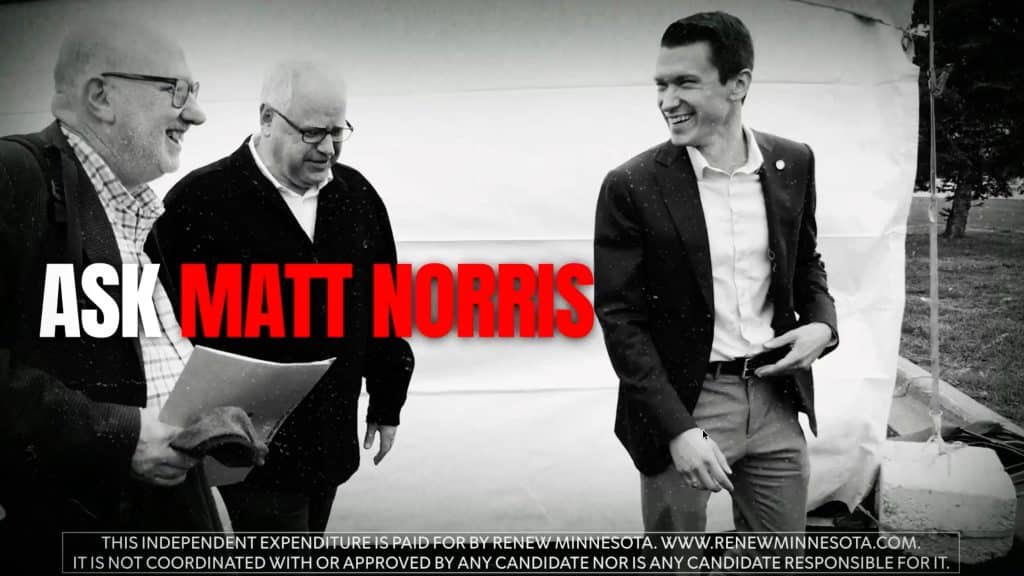
Was $9 billion stolen on Norris’ watch?
The ad says “$9 billion stolen by Somali fraudsters on Norris’ watch.” It doesn’t explain what kind of fraud, how it was stolen, or why Norris should be blamed.
Beginning in 2022, a series of fraud scandals rocked Minnesota politics and continue to do so today. The first was the Feeding Our Future scandal. Federal prosecutors charged the organization with stealing $250 million from a child nutrition program. Instead of feeding school children, the government said the money was used to buy luxury vehicles, real estate and international trips.
Soon, other state programs came under scrutiny. Spending for autism programs and housing stabilization was exploding. Late last year, Assistant U.S. Attorney Joe Thompson uttered the phrase that took hold over this year’s election debate.
He said spending by 14 Medicaid funded state programs had reached $18 billion and at least half of that may have been lost to fraud. In other words, $9 billion stolen.
State officials dispute that estimate. So far the amount of money in fraud cases being prosecuted by the Justice Department is much lower. It is correct that many of the people charged are of East African descent.
But was it Norris’ fault? He said he first heard of the fraud from media reports and court filings. Last year, he joined the House Human Services Committee, which has jurisdiction over most Medicaid programs. It was in that role he began working on anti-fraud legislation.
Did Norris block efforts to stop the fraud?
The ad blames Norris for “blocking bipartisan efforts to investigate and prosecute these fraudsters.” It doesn’t say what those efforts were or when they happened.
In fact, Norris was the chief sponsor in the Minnesota House of the most important anti-fraud bill of the last session. The bill created a newly independent Office of Inspector General. It’s charged with preventing fraud, investigating the misuse of public funds, and ensuring accountability across state programs.
But it wasn’t easy. It took a year from when Norris introduced the bill until it was approved by the House. A series of procedural votes took place while Norris and others fine-tuned the legislation. Some of those votes could be described as delays.
“The only thing that I can think of is they’re referencing my votes against declaring an urgency on the Office of the Inspector General Bill,” Norris told Heartland Signal.
By declaring an urgency, lawmakers can bypass the usual process that slows down legislation. In the Minnesota House of Representatives, it requires a two-thirds majority and urgency votes often fail. Norris did vote with Republicans once to suspend the rules and bring the bill forward for a vote. That motion failed.
“I think they were trying to create the perception that people were opposed to the bill when it was actually folks like me who believe strongly in it,” said Norris. “Every single one of those times we took one of those votes, there was a flaw in the bill that would have caused a court to strike it down for being unconstitutional.”
“I think the motive was to get votes that people like Renew Minnesota could use in political ads come election season.”
Norris also is the chief author of a bill to enhance the Medicaid Fraud Control Unit. It provides funding for more prosecutors and investigators, increases penalties including longer prison sentences, and redefines fraud to include new types of crimes.
As of Oct. 26, Renew Minnesota had spent more than $1.6 million on this year’s election. That’s according to filings with the Minnesota Campaign Finance Board. About $37,000 is being spent on trying to defeat Norris.
The group did not respond to our messages for clarification and comment on this story. When a Heartland Signal reporter reached the group’s representative on the phone, the representative hung up.
Heartland Signal encourages news organizations and content creators to use our content. You're welcome to republish this article for free as long as you follow our republishing guidelines.
Related Articles
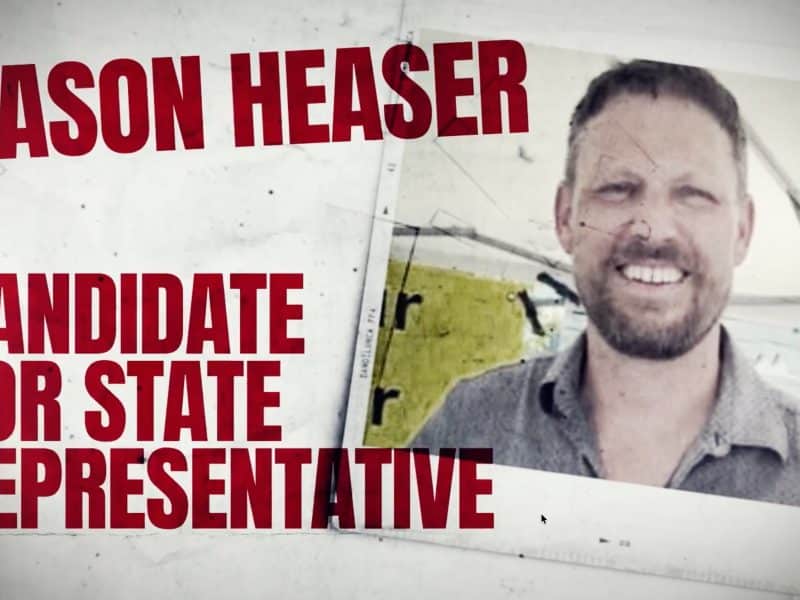
FACT CHECK: Helping a rapist? Overseeing fraud? Minnesota state House candidate calls attack ad ‘deplorable’
A Renew Minnesota ad ties DFL candidate Jason Heaser to a pardon and the Feeding Our Future fraud. We checked each claim against his record and the timeline.

Hinson asks Iowans for ‘gas money’ as fuel costs climb amid Iran war
Ashley Hinson asked Iowans for gas money for her $92,000 bus tour. Iowa diesel is up 81% in a year, and farmers are paying for it in the middle of harvest.

MI-04 incumbent Huizenga continues to skip in-person town halls, both as candidate and congressman
Rep. Bill Huizenga has held phone-only town halls since 2025, drawing weekly protests in Holland, with his race against Democrat Sean McCann days away.