
Pennsylvania data center costs: Where Perry and Stelson stand
Electricity bills in Pennsylvania’s 10th District rose 61% as data center growth strains the power grid, fueling a campaign clash between Rep. Scott Perry and challenger Janelle Stelson.

Surging electricity bills, and questions about how much data centers are driving them, have made energy affordability a central issue in the race for Pennsylvania’s 10th Congressional District between incumbent Republican Scott Perry and Democratic challenger Janelle Stelson.
Average residential electricity bills in the district rose 61% between September 2024 and September 2026, according to Heatmap News and MIT’s Electricity Price Hub. The average monthly bill increased from $126 to an estimated $202 over that period.
During an Oct. 14 debate, Perry criticized Gov. Josh Shapiro’s (D) state tax incentives for data centers, then touted his support for the federal Ratepayer Protection Act. The bill would direct state regulators to consider requiring large electricity users to cover the costs of power-generation and transmission upgrades they require.
Meanwhile, Stelson said data center developers should bring their own power, protect local water supplies and that local governments should be able to reject projects.
“The most important thing here is to make sure that state and local authorities have the ability to say no without being punished,” she said during the debate.
The candidates’ positions address some of the same concerns, but they leave questions about how regional grid costs would be allocated. The environmental advocacy group Natural Resources Defense Council (NRDC) has designated Perry a “Rate Raiser,” citing concerns that federal energy policies could drive up electricity costs.
PA-10’s utility rates skyrocketed
Heatmap found that PA-10’s average bill rose more sharply than in many other competitive House districts. Generation costs, the largest share of bills, have roughly doubled since 2020, and 57% of district voters surveyed said utility costs were somewhat or very difficult to afford.
Heatmap’s September 2026 figures are projections because Pennsylvania’s electricity data is delayed. Since bills vary with usage and weather, the 61% increase doesn’t isolate rate changes from usage or weather, and it doesn’t establish a cause. Heatmap estimates bills using utility-level data averaged across each area.
One potential pressure on the regional grid is the rapid growth of AI data centers, which require large amounts of electricity. In Swatara Township in Dauphin County, Corscale has proposed two data centers near homes and a church, prompting residents to question their effects on electricity demand, water supplies and the neighborhood. Corscale purchased both properties for its proposed Highlands East and Highlands West data centers from PPL Electric.
Corscale representatives said the projects would draw power from the grid and that the developer would pay for upgrades needed to connect the sites. PPL confirmed power availability for the projects, according to township meeting minutes. But that does not establish who will pay for broader transmission and grid costs associated with rising electricity demand. Corscale planned an information session this month to answer residents’ questions about the proposed data center projects.
Melanie El Atieh, Pennsylvania’s deputy consumer advocate, told Heartland Signal that the Office of Consumer Advocate (OCA) is examining whether existing customers are shouldering data center-related costs. The office represents utility consumers before regulators and in court.
El Atieh pointed to an August report from Monitoring Analytics, the independent watchdog for the regional power grid, which found that rising electricity demand from data centers contributed to more than $29 billion in additional costs across four PJM auctions. These auctions determine how much power companies are paid to ensure enough electricity will be available in the future. The $29 billion is a regional total, not an amount charged directly to Pennsylvania households, though those costs can affect what customers pay for electricity.
The consumer advocate also said PJM Interconnection, the regional grid operator, evaluated $5.8 billion in supplemental transmission projects in 2025. Of that amount, she said, $3.4 billion was driven by customer-service needs this year, and it identified another $1.3 billion in Pennsylvania projects driven by data centers. These figures reflect projects evaluated or identified, not necessarily money already spent or costs passed on to customers.
El Atieh said some transmission costs can be assigned to existing utility customers through regulatory proceedings. Other costs, including those for wholesale electricity and capacity, can also affect retail bills. How much households ultimately pay depends on how utilities and regulators allocate and recover those costs.
“We are arguing that Pennsylvania’s existing utility consumers should not be left paying higher electric bills for potentially less reliable service because of data center developers,” El Atieh said.
The OCA filed a complaint against PPL with the Public Utility Commission on Oct. 2 and amended it Oct. 21. It argued its rules fail to protect customers from data center-related costs and reliability risks. It wants large electricity users to pay costs tied to their demand.
As bills rise and data centers expand, PA-10 residents face growing uncertainty over who will pay for increased electricity demand and what protections lawmakers will support to shield households from the costs.
Heartland Signal encourages news organizations and content creators to use our content. You're welcome to republish this article for free as long as you follow our republishing guidelines.
Related Articles
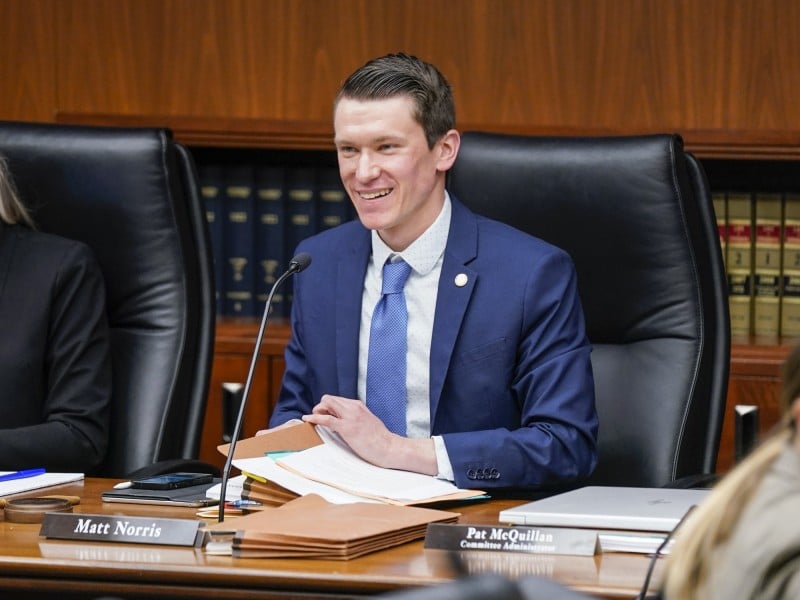
FACT CHECK: Ad blames Minnesota Rep. Matt Norris for fraud he tried to stop
A new attack ad blames Minnesota state Rep. Matt Norris for “$9 billion stolen” in recent state fraud scandals. Campaign records and legislative filings show a very different story: Norris actually chief-sponsored the state’s marquee anti-fraud oversight bill.
Michigan Senate race: Mike Rogers’ literacy test plan for government assistance
In Michigan, hundreds of thousands rely on SNAP and Medicaid to get by. Republican Senate candidate Mike Rogers wants to require reading assessments and remediation before they can access that help.
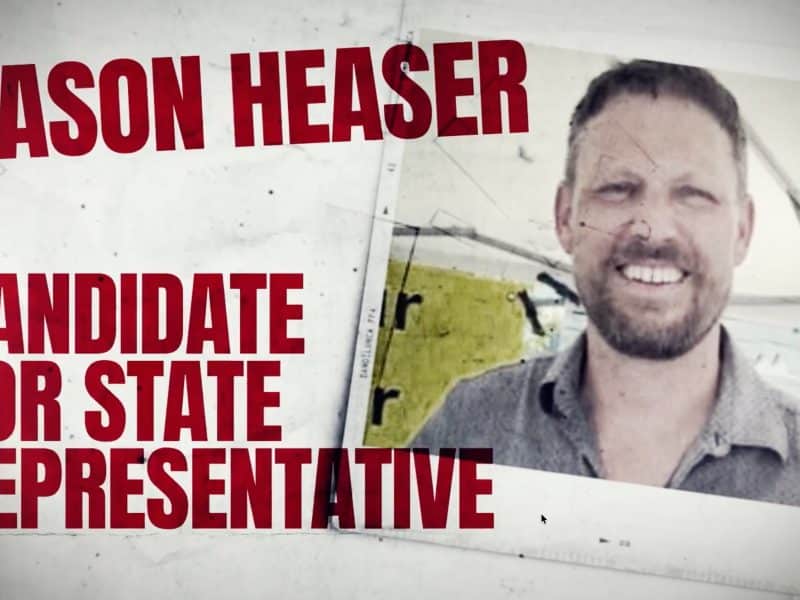
FACT CHECK: Helping a rapist? Overseeing fraud? Minnesota state House candidate calls attack ad ‘deplorable’
A Renew Minnesota ad ties DFL candidate Jason Heaser to a pardon and the Feeding Our Future fraud. We checked each claim against his record and the timeline.