
Radio Free America: How to follow election results like an expert
Election Night is a chaotic time that’s difficult to make sense of. Aaron Kleinman breaks down what to look for as results come in (assuming you’re not listening to his stream or WCPT, of course).
Welcome to Radio Free America, Aaron Kleinman’s newsletter on stories that matter in state politics but aren’t getting enough attention. Want this newsletter delivered to your inbox each week? Sign up!
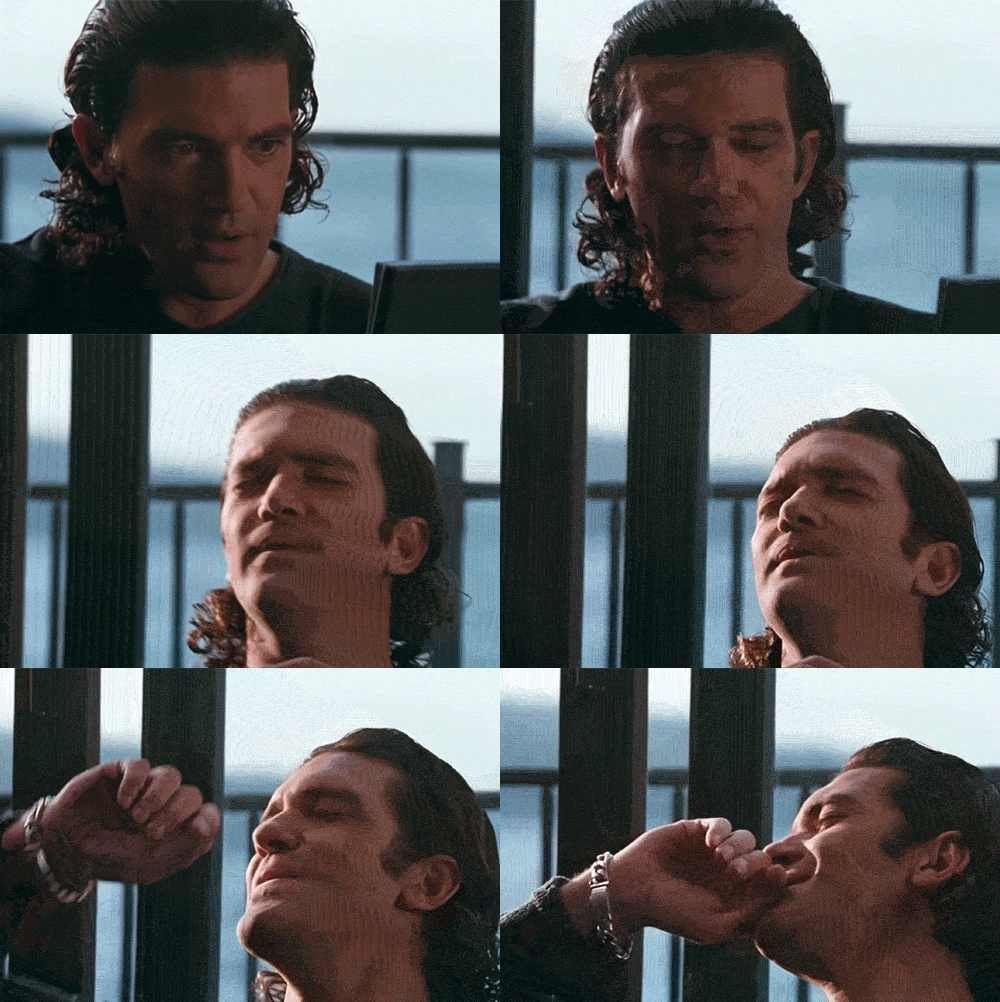
The best way to follow election results is to take a big hit of ether and pass out at right around 6:00 p.m. on election night, waking up a few days later and seeing who won. But I’m guessing you’re not C. Montgomery Burns, so you don’t have an ether hookup, or that any still-living ether hookups probably aren’t allowed to drive at night any more. So you’ll have to follow it live.
Of course, I don’t have to tell you why the asynchronous reporting inherent in America’s decentralized election infrastructure can be maddening. Donald Trump sic’ed a mob on the Capitol in 2021 because of it! But Trump isn’t the only one who can get tripped up by the fact that election results trickle in at different rates in different states. Pulitzer Prize winner Bret Stephens famously didn’t understand that California results took weeks to report when he declared the 2018 election a dud for Democrats. And they wouldn’t give a Pulitzer Prize to an idiot, right?????
So, I wanted to give you your biannual reminder of how to follow election results coming in (though I will leave the type and strength of analgesic you use up to you)
7:00 a.m.-5:00 p.m. EDT
The information you get on Election Day, the anecdotal turnout reports, are all useless. Former U.S. Sen. Kay Hagan reportedly went to the movies on Election Day because she wasn’t going to learn anything or do anything to affect the outcome. So hey, that’s the time to check out “You Can See Everything!”
5:00 p.m. EDT
At 5:00, you’ll get the early exits. They’re always wrong and misleading. You’ll still obsess over them.
6:00 p.m. EDT
This is when the first polls close. It’s also when the Data Not Discourse election night stream, starring yours truly, Joel Wertheimer, Michael Caley and George Pearkes, begins. Check it out at heartlandsignal.com or Heartland Signal’s YouTube channel.
At around 6:20 EDT, we’ll start getting the first trickle of election results from parts of Indiana and Kentucky. And here’s where my rules for following election results kick in:
- Compare like to like. You can compare the percentage of the vote that candidates are getting to 2024 or 2022, either is instructive. But you only want to compare turnout figures to similar midterm elections (for example, if a state had no major statewide elections in a previous midterm, it’s not a good comparison).
- Mail-in ballots still lean Democratic, and Election Day votes still lean Republican. But Democrats are increasingly abandoning mail-in ballots for in-person voting. Now that Trump is messing with the mail, the splits might be less than in past years. And it’s usually random whether a jurisdiction reports mail or Election Day results first. Two different counties within the same state might report differently. So be careful.
- For larger (urban/suburban) counties, you should keep an eye on how margins are shifting. Rural counties are smaller and noisier, so the margin shifts may mean less there. What really matters is their turnout, relative to the larger counties and to past midterms. Republicans need massive rural turnout to win. They’ve gotten it for the last 10 years. If they don’t in 2026, it’s a disaster.
As for Indiana and Kentucky themselves, they’ll be the first indicators of national trends. So keep an eye on suburban Hamilton County, Ind. (home of this viral police car) to see if it finally flips blue in Indiana’s statewide elections. Though in 2024, they reported mail-in ballots first, so don’t get your hopes up like I did! Also, Vigo County (home of Terre Haute) used to be the nation’s top bellwether but was Trump +18 in 2024. Ideally, we’ll see some bounceback there.
Also in Kentucky, monitor Boone County (Trump +37), Kenton County (Trump +22) and Campbell County (Trump +20) across the river from Cincinnati to see how they vote in the U.S. Senate race. If Charles Booker is improving noticeably over Kamala Harris, that’s a good sign.
Also, unlike Indiana, Kentucky’s had a U.S. Senate race in both 2022 and 2026, so this is where you should start looking to see if rural turnout is declining.
7:00 p.m. EDT
This is when you start getting some big states (Georgia, South Carolina, Florida, Virginia) reporting, and you’ll suffer a nervous breakdown if you try to keep track of them all. Use the global guidelines above And please, don’t get too hung up on Florida results. In the last two midterms, they were unusually bearish for Democrats and not indicative of any broader trends.
If this is all a bit dry or overwhelming, don’t fret! By then, the Data Not Discourse stream will be in full swing. So tune in and let me guide you through one of the most hectic nights of the year. I promise, you won’t want to grab the nearest bottle of ether.
AROUND AMERICA
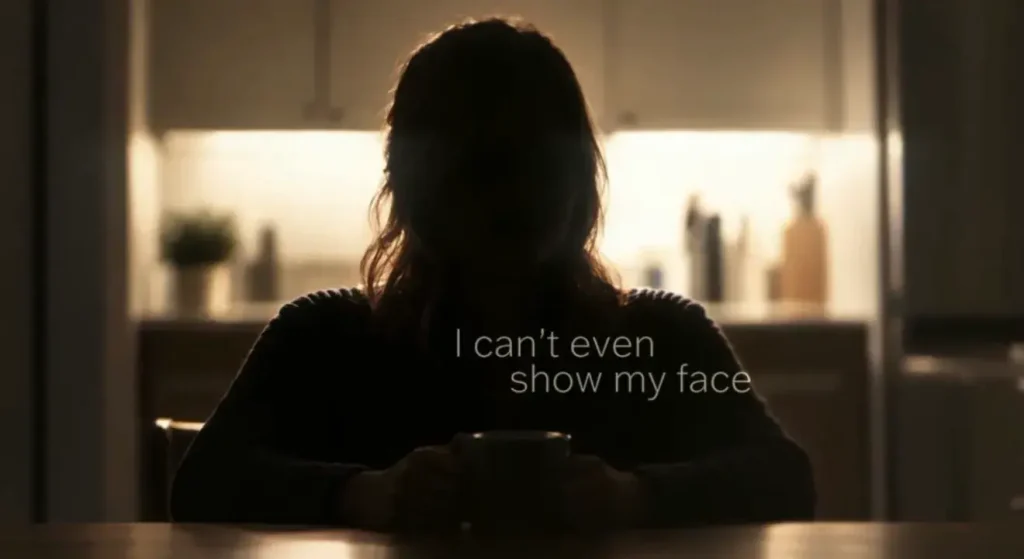
- Did you see the insane ad about how liberals are the new racists during football over the weekend? A few follow up points on it:
- Even in the far right’s own deranged universe, they are the old or perhaps current racists
- It was funded by Bobby Jindal’s 501(c)(4), America Next. Sound familiar? They’re the same people who paid $250,000 to that guy who got humiliated by Abdul El-Sayed.
- A few weeks ago, I said that the liberals who want Democratic candidates to run ads praising the most unpopular parts of the party’s platform were wrong. Well, this is basically the conservative version of that: running an ad where you take on your biggest weakness and say actually the other side is worse. Does anyone think that this ad was a savvy move? If not, then you don’t want Democrats running ads in favor of electric car mandates the week before the election.
- How bad have things gotten for Wisconsin Assembly Republicans? They had to run an ad from District 53 nominee David Daniels’s wife saying that he’s a good guy after Heartland Signal reported he was linked to accounts on adult dating websites. But they said in the disclaimer that the ad was for District 85 Republican nominee Patrick Snyder, which Heartland Signal also linked to accounts on adult dating websites.
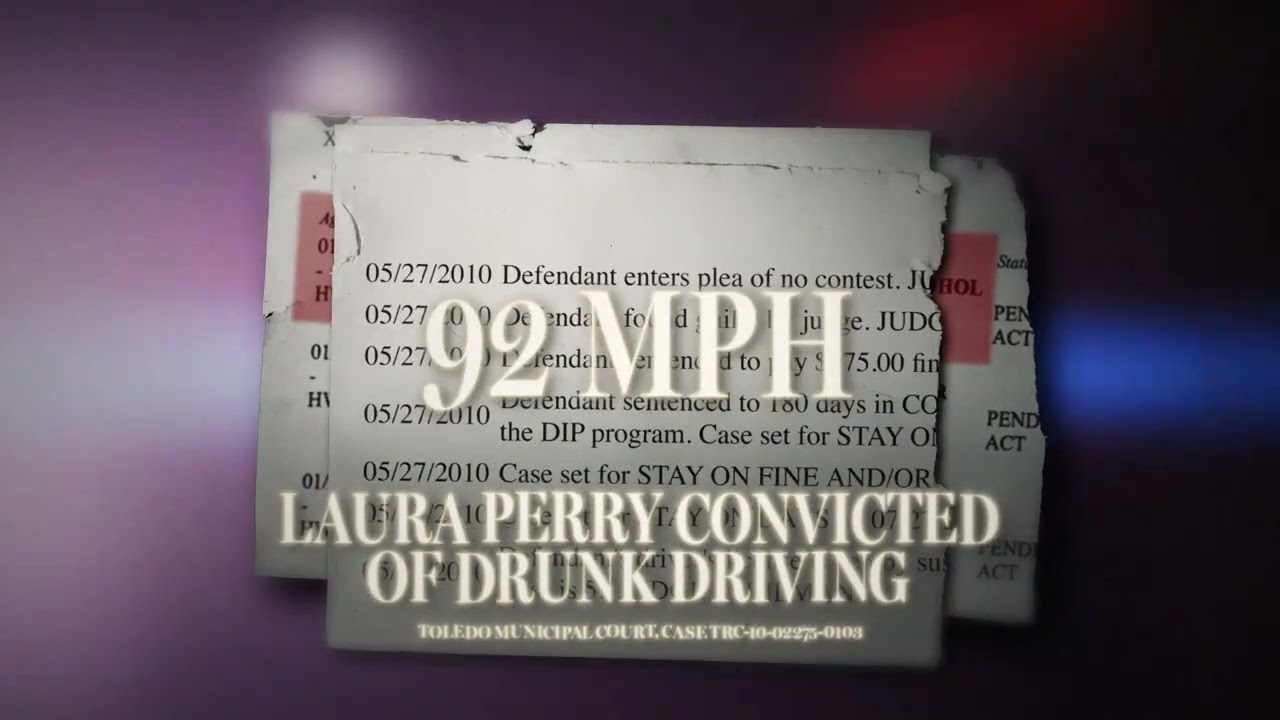
- I’d lost track of Republican Michigan House candidate Laura Perry after Heartland Signal reported she made commercial actors work in hazardous wildfire smoke. Since then, that political ad above alleges she was arrested for a DUI and cocaine possession, and we found out she rented out an apartment near a high school to a sex offender.
- Speaking of Michigan, the latest sign of a potential Blue Wave is that Kid Rock now insists that he wants to be less divisive. What happened to the guy above? The real vibe shift, that’s what.
INTERNET STUFF I LIKED THIS WEEK
When the Lions virtually clinched their game against the Packers over the weekend via Green Bay leaping offsides (assuring Detroit could kick a game winning field goal as time expired), they reacted like a bunch of “Peanuts” characters dancing. Thankfully, ESPN’s Luke Knox set it all to the original Vince Guaraldi score. You’re welcome.
BOOK CLUB
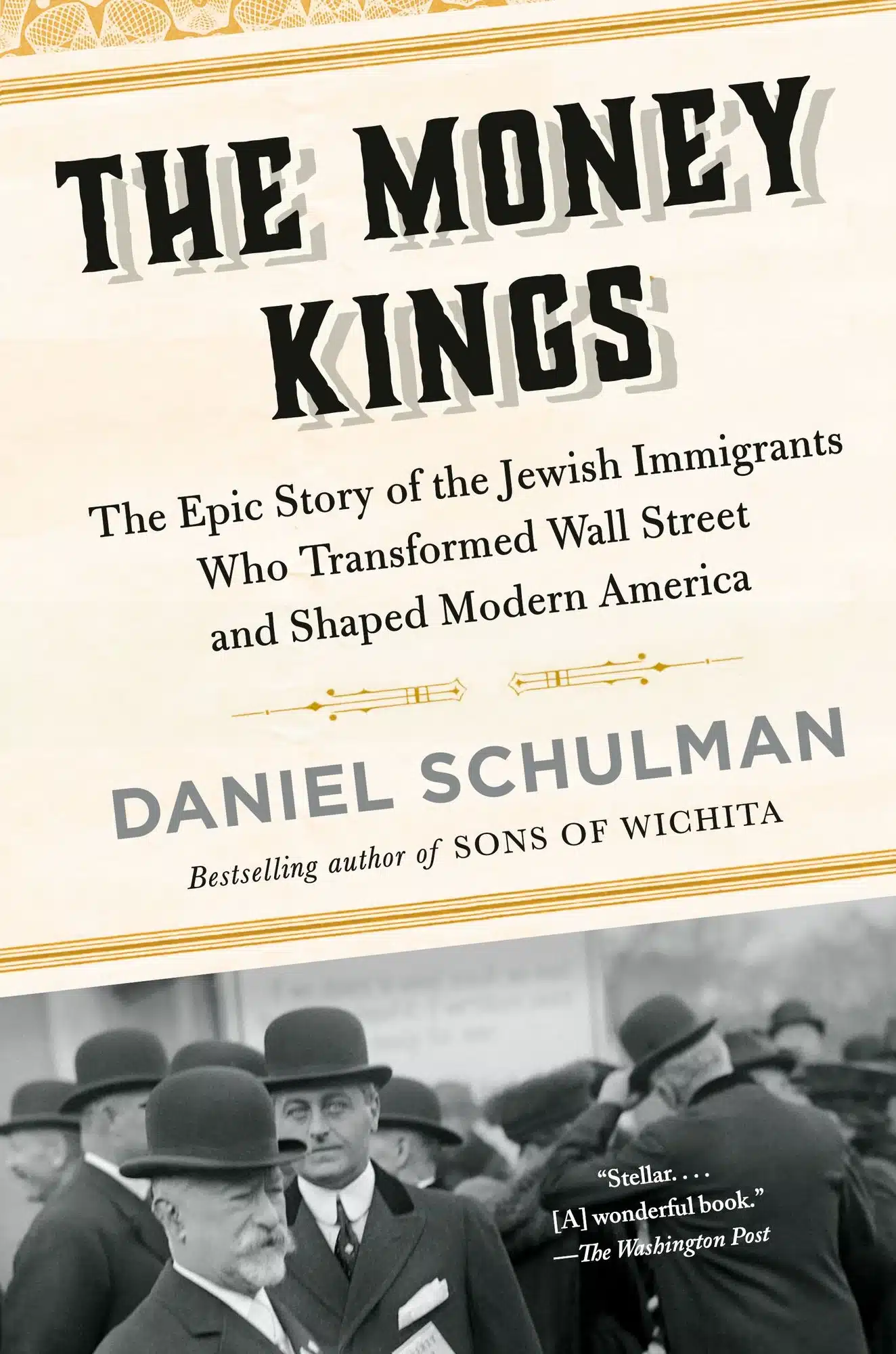
“The Money Kings” by Daniel Schulman is about the rise of Wall Street as the financial capital of the world. But it’s also about how German-Jewish immigrants carved out a life for themselves in the United States and helped other, less well-off Jews that were being persecuted by the Russian Empire to get here.
That part is personal for me, because I’m descended from those Jews, not the high flying ones in this book. The closest any of my ancestors got to high finance is my great-grandfather, who did the laundry on J.P. Morgan’s yacht. But the lessons of how they did it — by working geopolitical angles, making allies across the political spectrum and focusing on discrete actions that the government could take — contains lessons for our current moment.
HELP US OUT
Last week, I asked you what would have happened if Henry Clay had become president in 1841, and your responses indicated to me that it was for the best that it hadn’t happened. While it would have been better for the country at the time, it might’ve led to an industrialized South in the Civil War. In sum:
My old boss had me give that speech on Election Night 2024. We’ll see.
And that’s the gist of my message to you all. This is a consequential election coming up, but try not to get too high or low about it personally. There are always a lot of nerves heading into Election Day, and if you feel they’re getting the best of you, walk away from your computer. Do something else. Cooking is a great way to focus on something other than what’s going on online. And do 4-7-8 breathing if you’re having trouble sleeping.

Good luck; see you on the other side of it. Email me and let me know if it helped!
Want this newsletter delivered to your inbox each week? Sign up!
Heartland Signal encourages news organizations and content creators to use our content. You're welcome to republish this article for free as long as you follow our republishing guidelines.
Related Articles
Donate or volunteer? How to help a campaign before Election Day
As the midterm elections approach people are wondering how to get involved. As our Aaron Kleinman points out in his Radio Free America newsletter, candidates need your money far more than they need you to cold call strangers.
Radio Free America: Why polls probably aren’t overstating Democrats this time
Democrats are scared the polls are wrong again. But special elections, party ID and economic sentiment all look worse for Republicans than the polls do.

Radio Free America: Every political ad sucks
Sorry that political ads are so terrible. If you want them to be better get your message out year round.