
Arizona Democratic Senate majority looks to restore permanent early voter list, nix school funding cap
Arizona Senate Democrats, newly in the majority, unveiled their first bills: restoring the Permanent Early Voter List, asking voters to lift the decades-old Aggregate Expenditure Limit that restricts K-12 school spending, and urging Congress to reverse Medicaid and SNAP cuts.
This post has been republished from the Arizona Mirror under Creative Commons license CC BY-NC-ND 4.0.
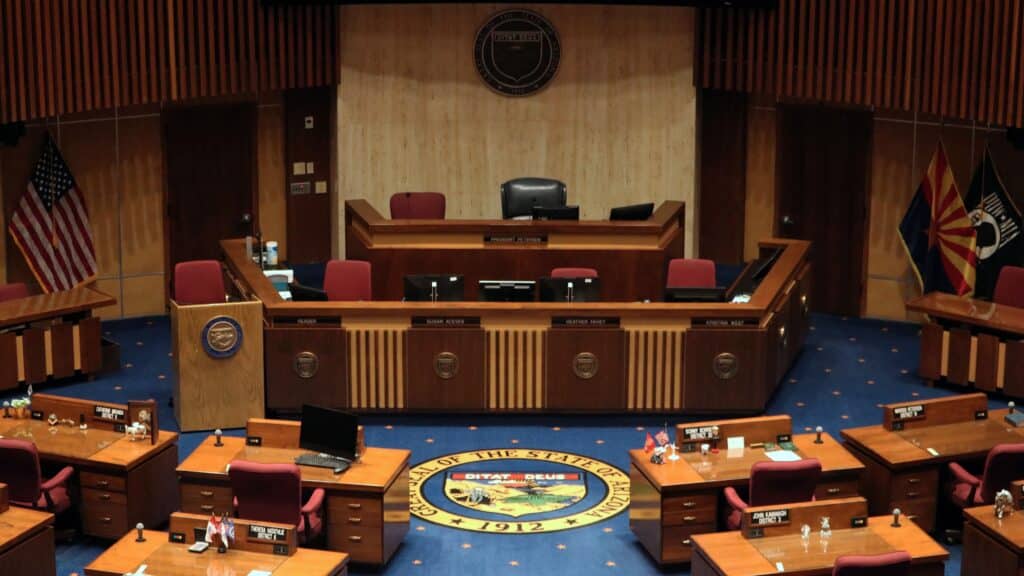
The first bills Democrats in the Arizona Senate proposed after winning a legislative majority earlier this month are aimed at making voting more accessible and would remove a decades-old barrier that has in recent years made it more difficult for public schools to spend their own money.
In a written statement, Sen. Priya Sundareshan, who was elected to lead the chamber when Democrats take over in January, said the bills reflect the beginning of the party’s work to meet the needs of voters.
“Arizonans sent us here to get to work, and that starts today,” she said. “We’re taking action to prioritize restoring voting access, supporting public schools, and protecting our freedoms and equality. Our caucus is united, and we’re ready to earn the trust Arizonans placed in us.”
SUBSCRIBE: GET THE MORNING HEADLINES DELIVERED TO YOUR INBOX.
Voters awarded Democrats control of the state legislature for the first time since 1966 during this year’s midterm election, and all eyes are on the party as it navigates what priorities to pursue without the impediment of a GOP-majority, which has long foiled attempts to turn Democratic proposals into law. On Monday, the first day of bill pre-filing for the 2027 legislative session, Democrats in the state senate announced a handful of bills that advance policies which in past years were considered political impossibilities.
One bill revives the Permanent Early Voter List, allowing voters to sign up to have their ballots mailed. That had been the case in practice for years, but in 2021, Republicans passed a law renaming it the Active Early Voter List and added caveats that could potentially purge hundreds of thousands of voters as soon as next year. Under the new rules, Arizonans who skip voting by mail for more than two years and don’t respond to a letter from their county recorder’s office would be automatically removed from the list.
Another bill would ask voters to OK permanently lifting the Aggregate Expenditure Limit — a law approved by voters in 1980 that requires lawmakers to give their approval before K-12 public schools can spend the money already set aside for them. The spending cap is tied to inflation rates from four decades ago, and recent funding levels have caused schools to bump up against it in 2022 and 2023, leading to months of back-and-forth as Republican lawmakers deliberated over whether to grant schools a legislative waiver to use the money.
Permission was always given, but Republicans capitalized on the time debating to criticize public schools, advocate for school choice alternatives, and propose increased reporting requirements for public schools. Public education advocates have increasingly called for eliminating the limit, saying that it introduces too much uncertainty for teachers counting on a steady paycheck and school officials weighing whether they will be forced to oversee layoffs. Democrats and at least one Republican have pushed to do away with the spending cap over the years, with little success. A Democratic majority means that might be possible now. But voters, who approved the original limit 46 years ago, have the final say in whether the state should get rid of it.
Democrats also filed a declaration urging Congress to reverse cuts made to Medicaid and the Supplemental Nutrition Assistance Program in the “One Big Beautiful Bill” last year. . The cuts led to more than 400,000 Arizonans losing food assistance. Public health advocates fear the changes to Medicaid, which kick in next year, could be equally as disastrous for low-income families.
Heartland Signal encourages news organizations and content creators to use our content. You're welcome to republish this article for free as long as you follow our republishing guidelines.
Related Articles
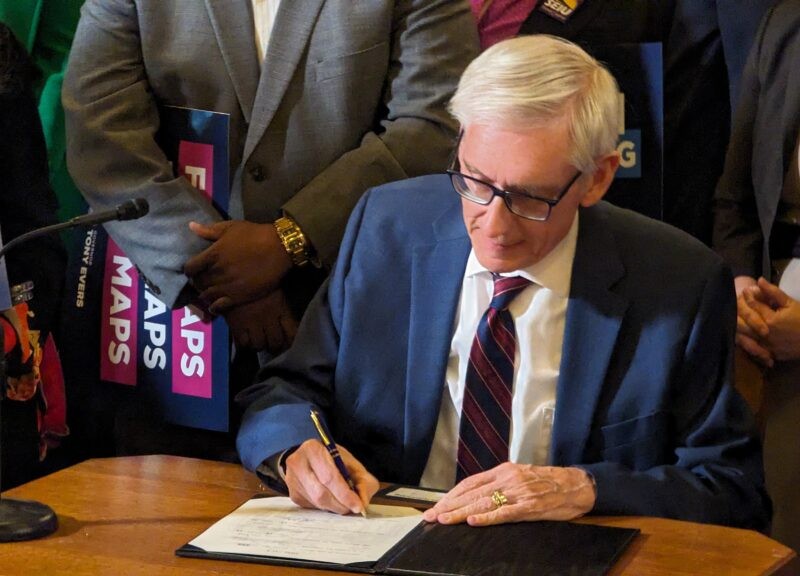
Analyses find old Assembly map would have protected Wisconsin Republicans from ‘blue tsunami’
Two analyses released Monday found the old Assembly map would have protected Wisconsin Republicans’ control from the “blue tsunami” that swept every statewide election and the state Senate.

Missouri delays paid family caregiving program as home nursing shortage persists
Despite funding from lawmakers for two consecutive years, state health officials say uncertainty over future budgets is preventing the program from moving forward.

Environmentalists outline blue-trifecta energy priorities in Pennsylvania Capitol rally
With Democrats now controlling Pennsylvania’s House, Senate and governorship, environmental groups unveiled a 100-day legislative agenda targeting data center regulations, renewable energy expansion and consumer utility protections.