BLEEDING HEARTLAND: Lessons of 2022: Iowa’s a red state—for now
Originally posted on Nov. 9
The red wave many pundits expected on November 8 didn’t materialize in most of the country. But it certainly crashed over Iowa.
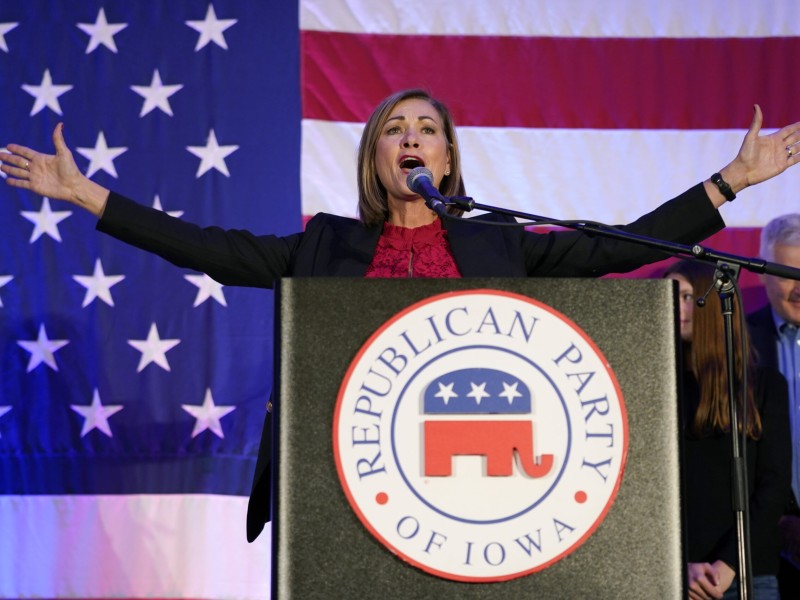
Governor Kim Reynolds was re-elected by a massive 225,000 vote, 19-point margin, according to unofficial results, and she carried Republican candidates along with her.
Senator Chuck Grassley defeated Mike Franken by a 12-point margin. The GOP is on track to hold all four of Iowa’s Congressional districts. Challengers Brenna Bird and Roby Smith defeated 40-year statewide Democratic incumbents, Attorney General Tom Miller and State Treasurer Mike Fitzgerald. The state auditor’s race is too close to call, with Democrat Rob Sand clinging to a lead of a few thousand votes after outspending his challenger by more than a million dollars.
Further down the ballot, Republicans posted a net gain of two seats in the Iowa Senate, giving them the 34-16 majority they need to rubber-stamp all of Reynolds’ appointees. With a few Iowa House races too close to call or headed for recounts, the GOP has clearly expanded its 60-40 majority in the lower chamber, most likely to 64-36 or 63-37.
To cap it all, the GOP-backed state constitutional amendment that could undo what remains of firearms regulations in Iowa passed by a massive 65 percent to 35 percent margin.
Forthcoming Bleeding Heartland posts will analyze many of these races in more detail. For today, I want to look at the big picture and what it means for Iowa to be so far out of step with the prevailing political winds nationally.
Read more at Bleeding Heartland
Heartland Signal encourages news organizations and content creators to use our content. You're welcome to republish this article for free as long as you follow our republishing guidelines.
Related Articles
Zach Nunn and Medicaid cuts: Iowa clinics close in the 3rd District
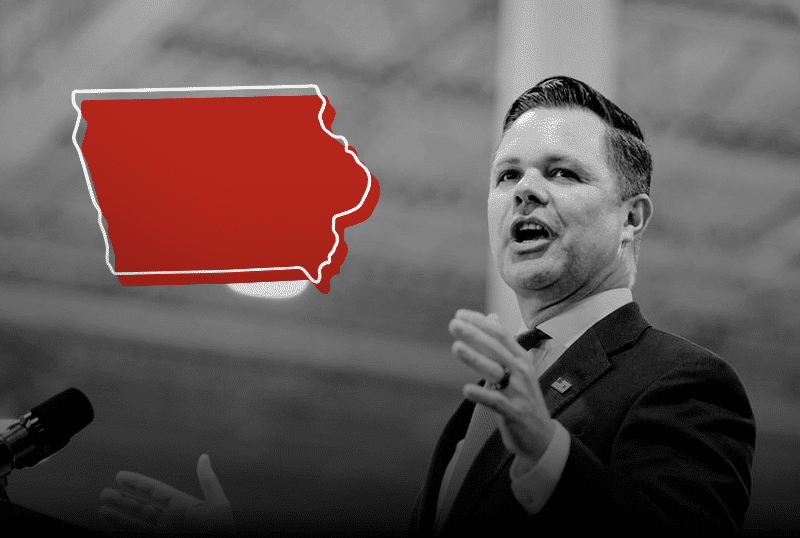
Rep. Zach Nunn called rural hospital closure fears a “myth.” Iowa clinics are closing ahead of Medicaid cuts. Where he and Sarah Trone Garriott stand.
PA-10: Scott Perry ad levels unproven nudity claim at Janelle Stelson
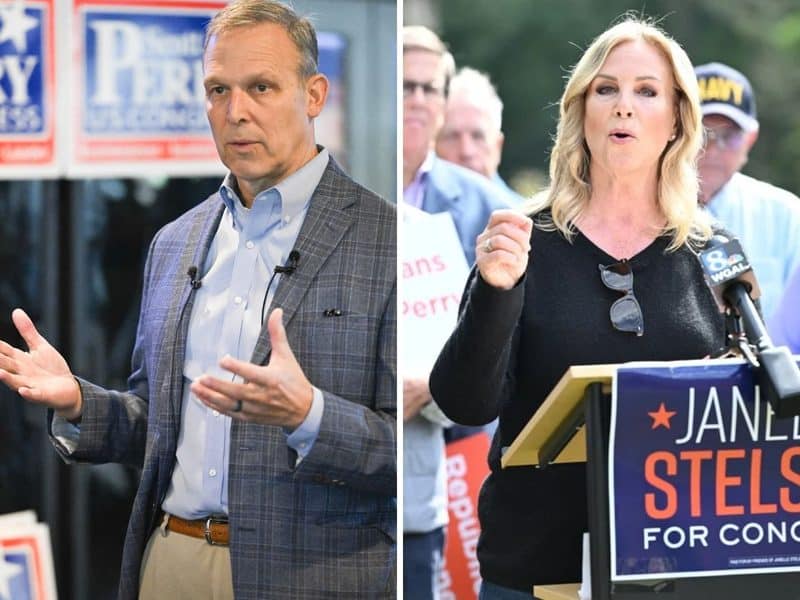
Perry’s campaign released an ad accusing Democratic challenger Janelle Stelson of exposing herself to a child, based on an unsubstantiated notarized statement from a Perry-supporting neighbor, not a legal affidavit. No charges were filed.
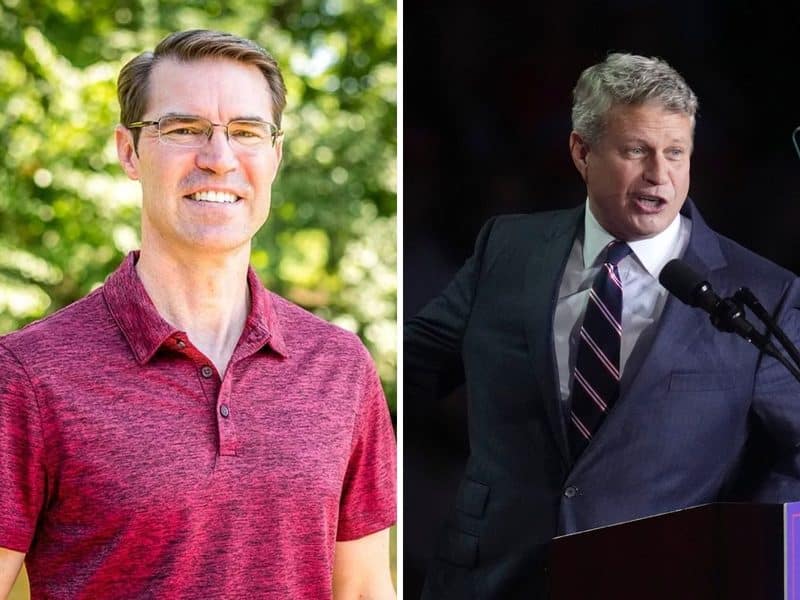
Michigan 4th District race: McCann, Huizenga split over energy costs
In Michigan’s 4th Congressional District, a close race pits state Sen. Sean McCann (D) against longtime Rep. Bill Huizenga (R), who supports federal rollbacks of clean energy subsidies and expanded fossil fuel production. Both candidates diverge sharply on why utility prices are so high and solutions.