
Michigan state Sen. Mark Huizenga holds stocks in the same companies he regulates
A review of state Sen. Huizenga’s personal financial disclosures and campaign finance reports shows that he owns stock and accepts contributions from pharmaceutical companies while serving on the Senate Health Policy and Human Services Committee.
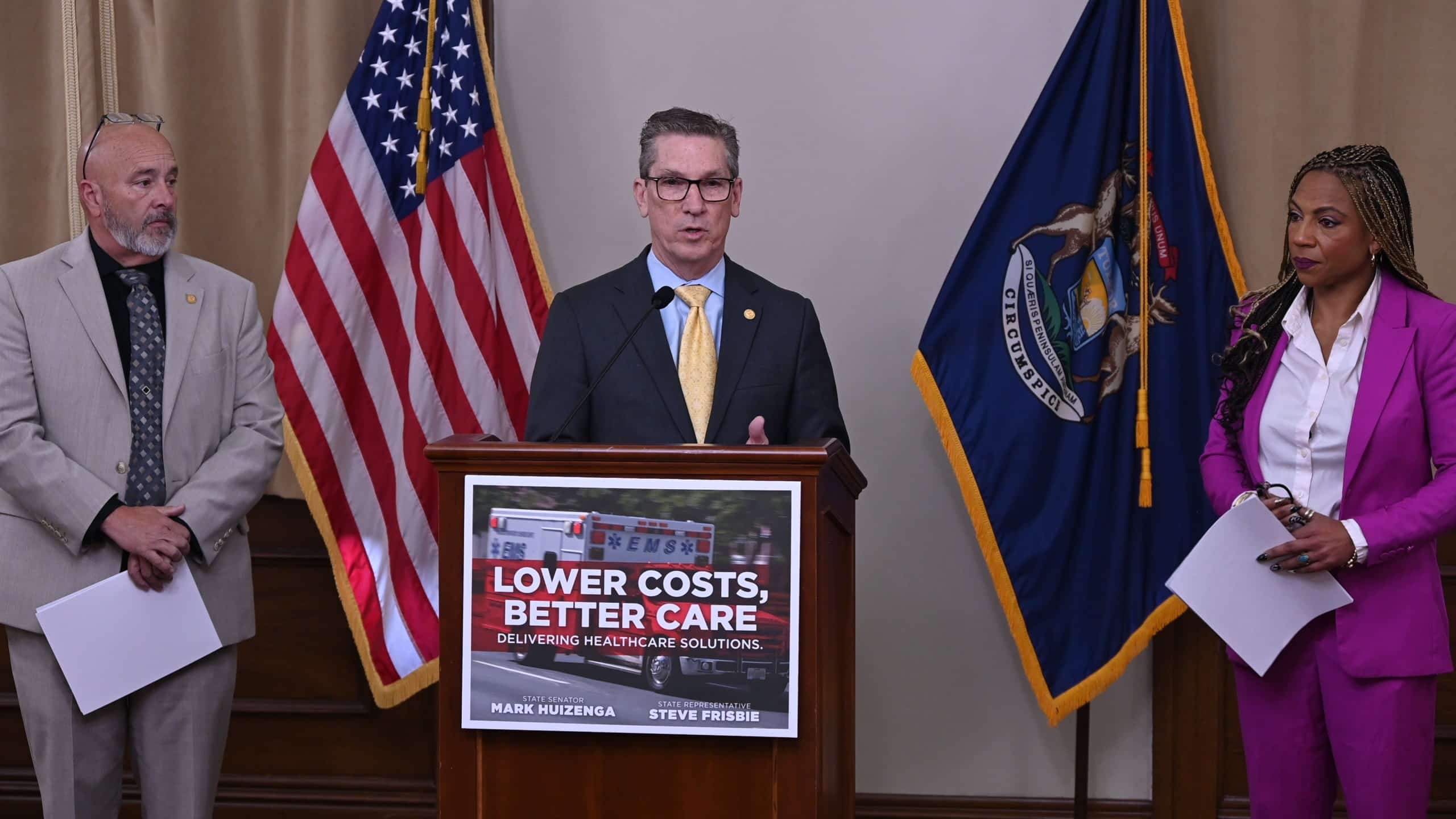
Michigan state Sen. Mark Huizenga (R-Walker) is running for re-election on a platform of making healthcare more affordable for Michiganders. He has served on the Senate Health Policy and Human Services Committee, including introducing legislation that established the Opioid Advisory Commission. But personal financial disclosures filed with the state show that since at least 2023, he has held stock investments in pharmaceutical and health care companies he regulates.
Huizenga serves on the Senate Health Policy and Human Services Committee, as well as the Senate Appropriations Committee and Finance Committee, where he is the minority vice chair.
Personal financial disclosure forms show that Huizenga has invested in eight different pharmaceutical companies between 2023 and 2025. While some stocks have changed between filing deadlines, he has consistently held stock in at least six different pharmaceutical companies each year, including Eli Lilly, Pfizer and Vertex.
Huizenga also holds stock in two health care companies, Cigna and United Healthcare.
The Public Officers Financial Disclosure Act of 2024 requires elected officials serving in the executive and legislative branches of state government to file annual reports disclosing their investments. The state’s online system for tracking personal financial disclosures labeled his 2023 investments as part of a 401k/tax-deferred investment account, which elected officials are not required to disclose under Michigan’s law. Huizenga’s 2024 and 2025 disclosures do not indicate if the investments are part of a mutual fund, but his office confirmed in an email that the stocks are individually held.
Huizenga did not respond to a request for comment on his investments and voting record.
Huizenga’s voting record on health policy is mixed. As a member of the Michigan House in 2021, he voted against a bill that would prohibit health insurance companies from charging more than $50 for a month of insulin. But he also voted to require health insurance companies to include emergency insulin coverage. And he supported restrictions on excessive charges for emergency medical care.
In 2025, he was one of only three senators present to vote against Senate Bill 94, a bill that would prohibit pharmaceutical companies from discriminating against the Federal 340B Drug Pricing program. That program requires any pharmaceutical company that participates in Medicaid to provide certain prescription drugs at reduced prices. (SB 94 was also tied to SB 95, the Hospital Price Transparency Act.) But he has also voted to require health insurers to cover vaccines and tests administered by a pharmacist.
Huizenga has also accepted campaign contributions from some of the same pharmaceutical companies he is invested in. Eli Lilly contributed $2,000 and Vertex contributed $400 between 2023 and July 2026. United Healthcare has also contributed $2,500.
Other industry PACs that contributed to his campaign include Blue Cross Blue Shield of Michigan, Delta Political Action Committee (representing Delta Dental) and Priority Health.
Huizenga’s opponent, state Rep. Carol Glanville (D-Walker), had outraised him by over $300,000 by the July campaign finance filing deadline. She has accepted large contributions from Democratic and left-leaning PACs, including Emily’s List and the PAC for America’s Future. In all, Glanville has received $112,000 from PACs based in Washington D.C. Both candidates have received over 74% of their contributions from PACs and individuals with a Michigan address.
Glanville has also received several contributions from labor unions. And Delta Dental’s PAC — the same one that donated to Huizenga — also donated to her.
In a statement, Glanville said she is committed to getting corporate money out of Michigan politics.
“People should drive the outcome of elections, not billionaires or corporations, and mopping up corporate money from politics will open the door to tackling the affordability issues on everybody’s minds,” she said. “As District 30’s State Senator, I’ll fight every day for my neighbors, not special interests, just like I have in the State House.”
Heartland Signal encourages news organizations and content creators to use our content. You're welcome to republish this article for free as long as you follow our republishing guidelines.
Related Articles
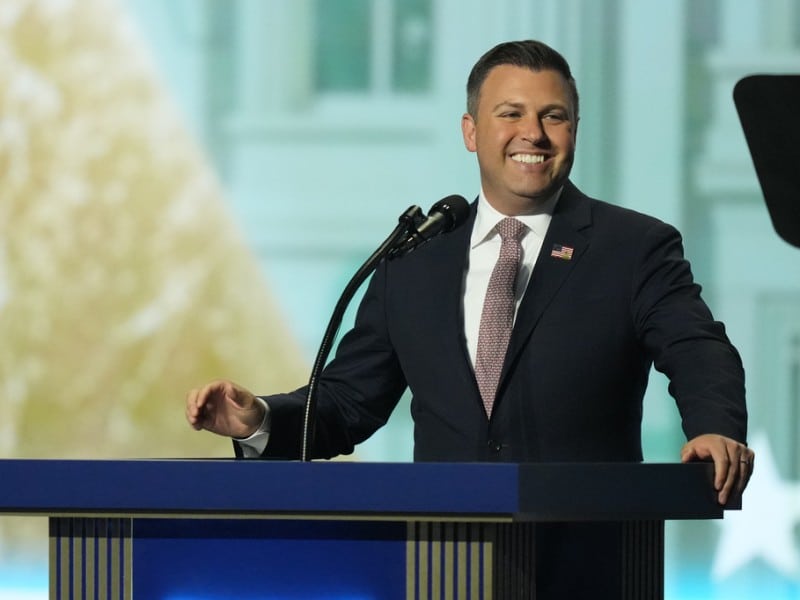
FACT CHECK: Ryan Mackenzie parrots misleading claim denying Iran War is spiking fuel prices
U.S. Rep. Ryan Mackenzie (R-PA) is repeating misleading claims that recent high fuel prices aren’t driven by the war with Iran. Experts say even with sea passages open, risk premiums and lost oil supply from ongoing Middle East conflict continue to keep prices inflated.
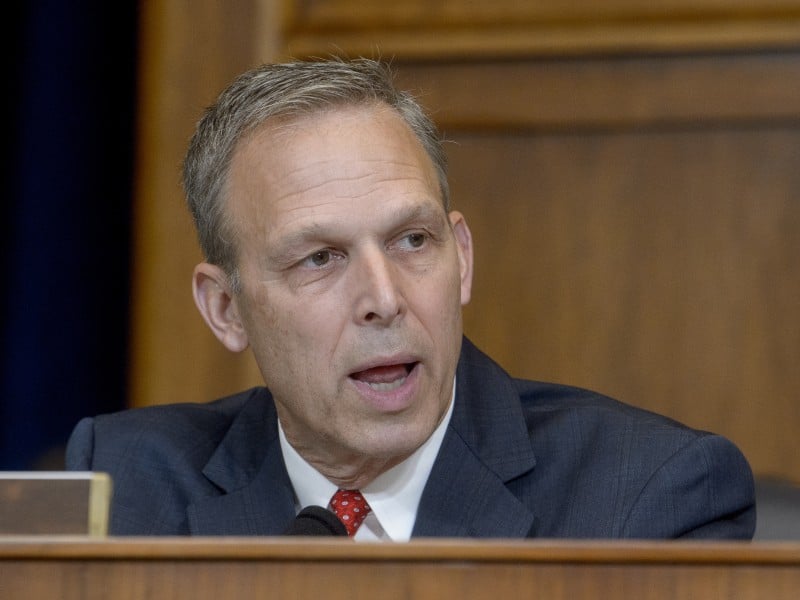
Scott Perry’s involvement in the 2020 presidential election, explained
Rep. Scott Perry, R-Pa., seeks an eighth term amid scrutiny over his role in efforts to overturn the 2020 election.

Wisconsin candidate David Daniels denies setting up adult dating accounts connected to him
Records and data breach files link Republican Assembly nominee David Daniels to adult dating platforms, which he denied creating.