
Ohio’s Ramaswamy and McColley have long backed near-total abortion bans
Even after Ohio voters overwhelmingly passed a 2023 constitutional amendment protecting abortion rights, GOP gubernatorial nominee Vivek Ramaswamy and state Senate President Rob McColley remain committed anti-abortion advocates. Audio from a recent rally shows McColley framing the constitutional defeat not as a setback, but as a shift in strategy.
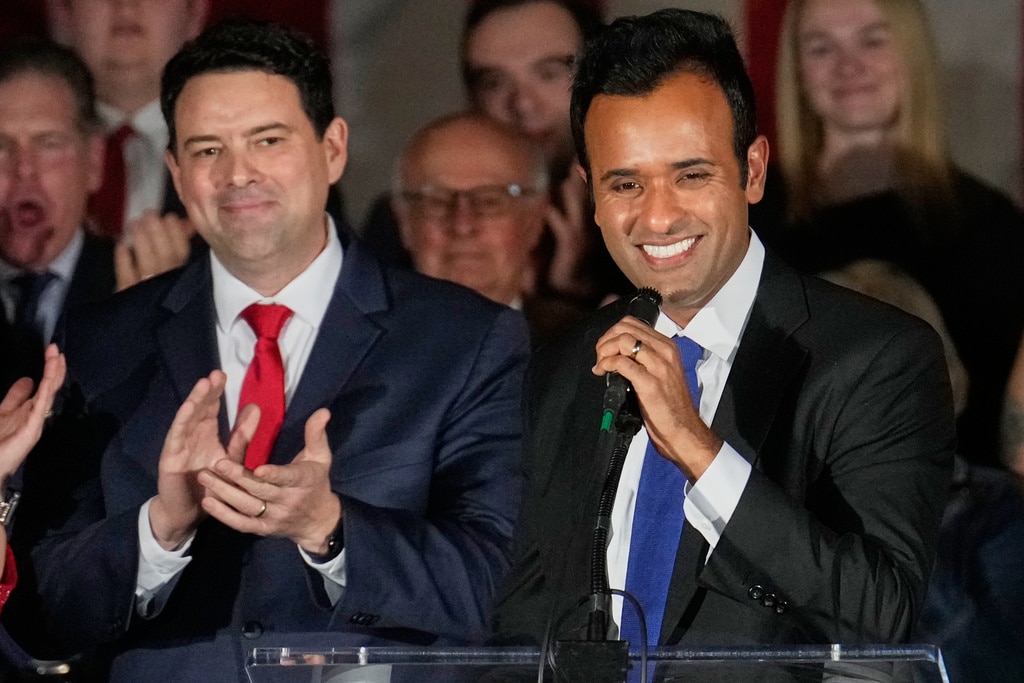
Vivek Ramaswamy and Rob McColley, the Ohio Republican nominees for governor and lieutenant governor respectively, have largely avoided the topics of abortion and reproductive rights during the ticket’s campaign. But the two Republicans make up a ticket that, in their own words, is “unapologetically pro-life” and actively worked to put in near-total abortion bans.
Ramaswamy called abortion “a form of murder”
Since becoming a conservative pundit in the early 2020s, the biotech entrepreneur has repeatedly said he believes life begins at conception and that abortion is “a form of murder” and that the Roe v. Wade Supreme Court case was “wrongly decided.” He openly opposed an Ohio initiative in 2023 to create a constitutional right to reproductive health care, and he called for the Food and Drug Administration (FDA) to reverse its approval of the abortion pill mifepristone in 2023 for technical reasons.
While running for president in 2023, Ramaswamy said multiple times that he thought a federal abortion ban would not make sense because he thought it was a states’ rights issue. However, that didn’t stop him from openly courting constitutional scholars to try and convince him of a constitutional way to implement a national abortion ban.
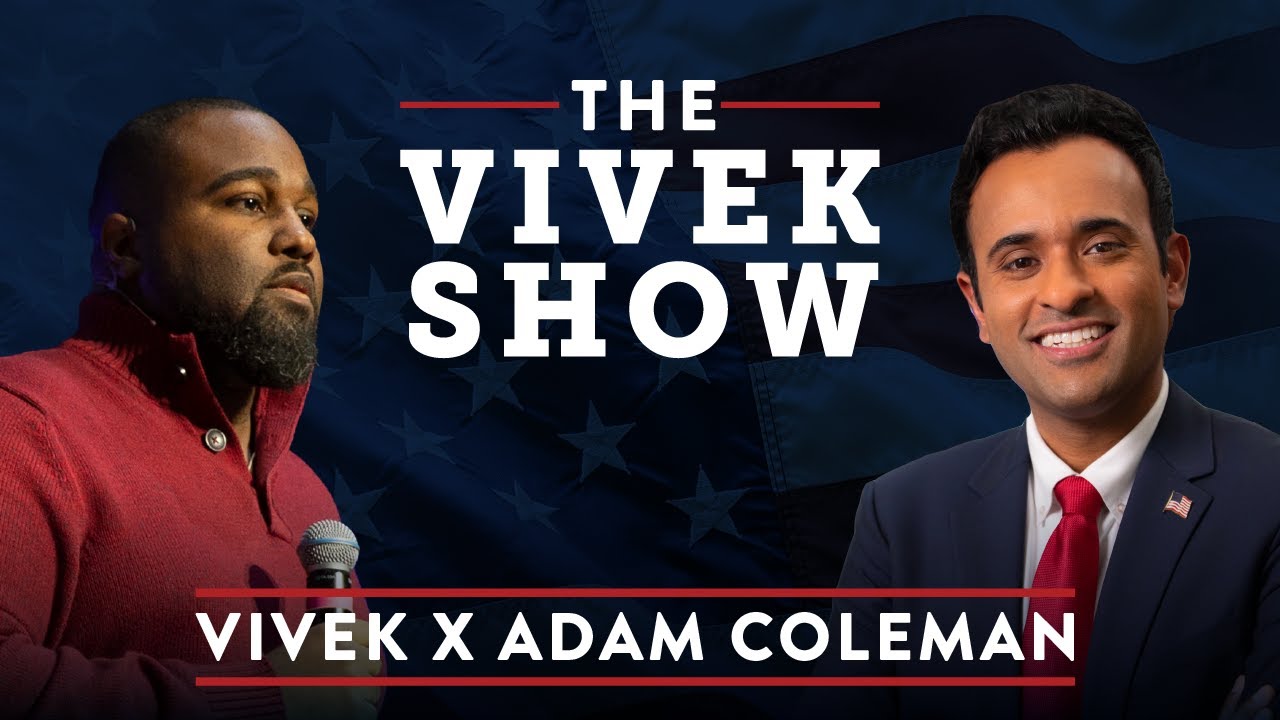
During his current gubernatorial run, a 2023 video from Ramaswamy’s own “The Truth Podcast” resurfaced of him saying, “a Black baby is probably safer in the inner city of Chicago than in the womb of his own Black mother.” The 41-year-old received nationwide condemnation for the anti-Black racist remark. He also said that same year that abortion “is not a women’s right issue.”
McColley co-sponsored three heartbeat bills
The 41-year-old president of the Ohio state Senate has become a leader in the state’s conservative opposition to abortion and reproductive rights during his almost 12 years as a state legislator. Between 2015 and 2019, McColley co-sponsored three “fetal heartbeat” bills in the state House and Senate to ban abortion at either five or six weeks of pregnancy (House Bill 69 in 2015, HB 258 in 2017 and SB 23 in 2019). With SB 23, he defended the bill having no exceptions for rape or incest. Gov. Mike DeWine (R) signed the bill into law in 2019, making it a trigger law and one of the nation’s most strict abortion bans after the Supreme Court of the United States issued the Dobbs v. Jackson decision in 2022.
Like his running mate, McColley has denounced Roe v. Wade and said he believes that life begins at conception. He has also been repeatedly endorsed by Ohio Right to Life, an extreme anti-abortion group that only endorses candidates that oppose rape and incest exceptions for abortion.
Both men fought the 2023 amendment
Some of McColley’s most controversial work comes from his efforts to prevent Ohioans in 2023 from enshrining reproductive rights into the state constitution, which Ramaswamy repeatedly endorsed.
First, once the abortion rights group Ohioans United for Reproductive Rights started gathering signatures for a state initiative protecting reproductive rights, McColley introduced Senate Joint Resolution 2. The proposed constitutional amendment would require 60% of voters to approve any new constitutional amendments via state initiatives. Although most Republicans (including McColley) claimed the amendment was to prevent outside influences from affecting the Ohio Constitution, Secretary of State Frank LaRose (R) admitted it was “100%” due to blocking attempts to remove the state’s abortion ban.
On the August 2023 special election ballot as Issue 1, McColley’s campaign committee, Citizens for McColley, spent $21,311.22 on pro-Issue 1 mailers and radio ads, according to state campaign finance disclosures. Ramaswamy also supported the issue on social media. The first Issue 1 failed by a vote of 43% to 57%, with over 3 million votes cast, an astonishingly high number for an off-year special election.
The failure of August 2023’s Issue 1 saved the abortion rights initiative, also listed as Issue 1 on the November 2023 ballot. Both Ramaswamy and McColley pushed false, debunked claims that the amendment would legalize abortion up to the moment of birth (it prohibits it after viability of the fetus). Despite more advocacy against Issue 1 from the two Republicans, Ohio voters passed the November Issue 1 by a vote of 57% to 43%.
After the vote, McColley points to culture
At the Ohio March for Life in Columbus earlier this month, McColley told the crowd that with the constitutional amendment, the fight for anti-abortion advocates like himself would have to become more focused on culture than legislation.
“Now, you may ask yourself, of course, the voters voted for the constitutional amendment we have right now,” McColley said in audio obtained by Heartland Signal. “I don’t believe that is a setback, necessarily. That just changes the way that we have to fight this battle.”
The Ramaswamy-McColley campaign did not immediately respond to a request for comment on the candidates’ current views on abortion and reproductive rights. The two face Democrats Dr. Amy Acton and David Pepper in next month’s general election.
Heartland Signal encourages news organizations and content creators to use our content. You're welcome to republish this article for free as long as you follow our republishing guidelines.
Related Articles
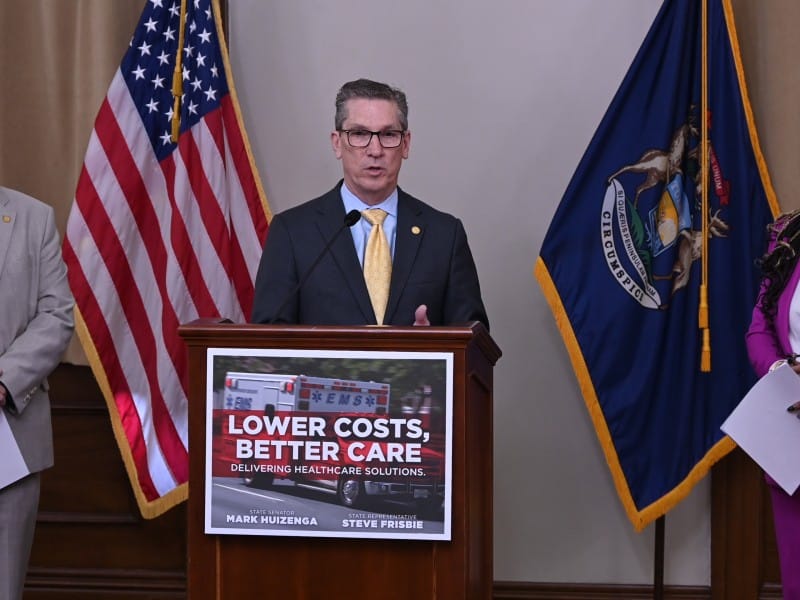
Michigan state Sen. Mark Huizenga holds stocks in the same companies he regulates
A review of state Sen. Huizenga’s personal financial disclosures and campaign finance reports shows that he owns stock and accepts contributions from pharmaceutical companies while serving on the Senate Health Policy and Human Services Committee.
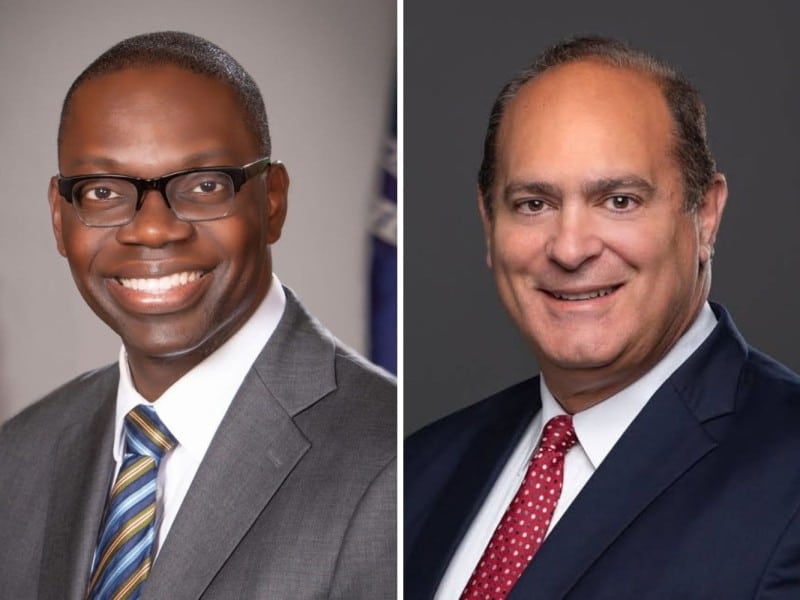
Gilchrist and Forlini debate experience and federal intervention at Michigan secretary of state debate
Garlin Gilchrist II and Anthony Forlini, candidates for Michigan secretary of state, debated at the University of Michigan over election security, voter access and trust in state election processes.

Miller-Meeks vs. Bohannan: Where Iowa’s 1st District candidates stand
Here is where incumbent Republican Mariannette Miller-Meeks and Democratic challenger Christina Bohannan stand on the key issues facing eastern Iowa, including health care, foreign policy and clean water.