
Ryan Mackenzie’s stance on data centers collides with his policy record
Rep. Ryan Mackenzie says data centers should pay their fair share. His record includes a 2021 tax exemption vote and support for limits on local oversight.
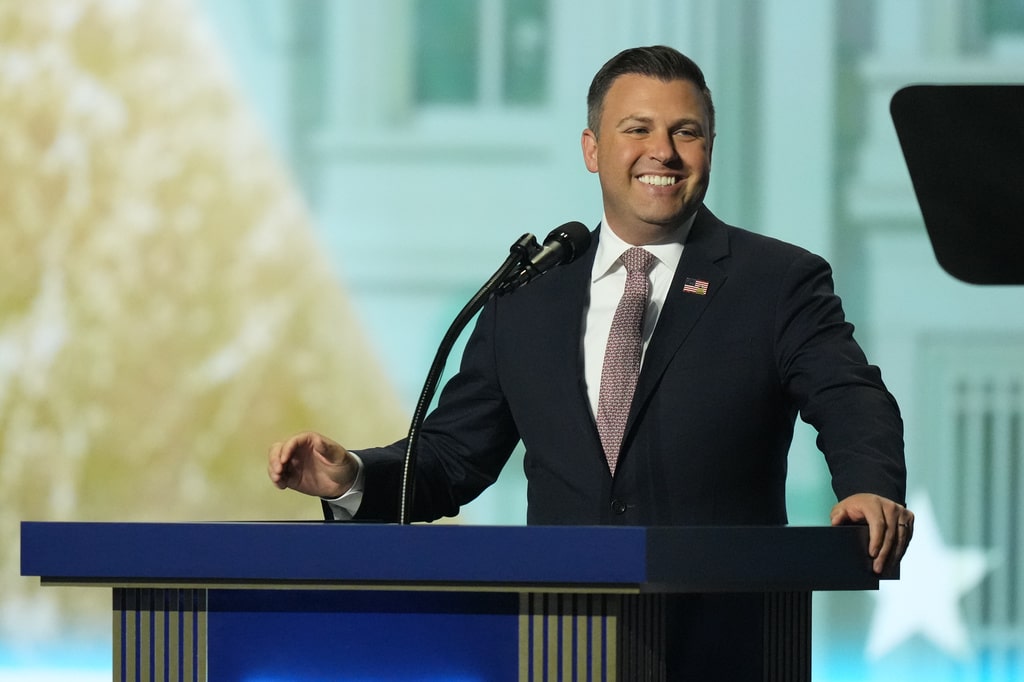
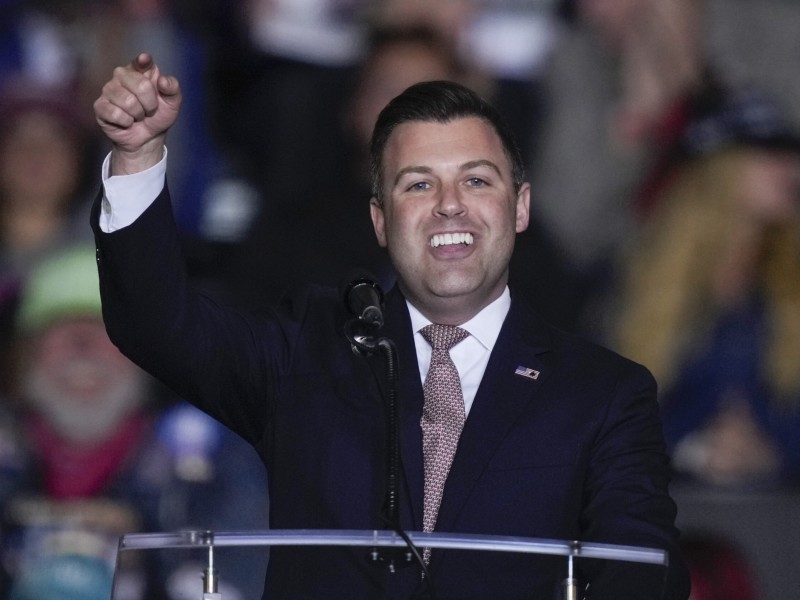
U.S. Rep. Ryan Mackenzie (R-PA) is campaigning on making data centers “pay their fair share,” despite previously supporting tax breaks for the industry and legislation that would have restricted state and local oversight of data center development.
In 2021, while as a state representative, Mackenzie voted for Pennsylvania legislation establishing a sales tax exemption for qualifying data center equipment, Keystone Newsroom reported, and he later supported extending it for up to 25 years. Spotlight PA estimated that the exemption could cost the commonwealth nearly $2 billion in lost revenue by 2031.
The Pennsylvania House voted 197-5 in June to repeal the exemption, but the legislation remains pending in the Republican-controlled Senate. Until the law changes, eligible data centers can continue receiving the tax benefit.
Mackenzie has also promoted the federal Ratepayer Protection Act, arguing that large electricity consumers should pay the costs of infrastructure needed to serve them. The bill passed the House in September but failed to advance in the Senate on Sept. 30.
Mackenzie has faced scrutiny over similar shifts in his position on health care. Heartland Signal reported last December that he signed a petition to extend Affordable Care Act subsidies after years of opposing the law, including once describing it as an “infringement upon our rights.”
The proposal would have required state utility regulators to consider standards requiring qualifying large electricity users to cover the incremental costs of power generation, transmission and distribution infrastructure. However, it would not automatically have required every state to adopt such a standard. Its effectiveness would have depended on subsequent regulatory decisions. The bill is not law.
Mackenzie’s earlier support for versions of President Donald Trump’s 2025 tax and spending legislation, the One Big Beautiful Bill, also raises questions about his position on local oversight. Those versions included a proposed 10-year restriction on state and local regulation of artificial intelligence and data centers. The Senate removed the provision before the legislation became law.
Pennsylvania has since established a different approach. Gov. Josh Shapiro’s (D) August executive order directs the Department of Environmental Protection (DEP) to require legally binding commitments from covered data center projects seeking state permits under the Governor’s Responsible Infrastructure Development (GRID) requirements. The framework addresses electricity costs, environmental protections, transparency and community benefits, with enforcement through consent orders and agreements.
Under the state’s requirements, covered developers must commit to paying costs attributable to their electricity demand, including certain transmission and distribution upgrades. The order also directs DEP not to issue permits before required local approvals are secured. These protections apply through the state’s permitting process and should not be confused with a blanket local veto over data center development.
Mackenzie’s federal proposal would have left regulators to consider a cost-recovery standard, while Pennsylvania’s framework establishes binding commitments for projects covered by its requirements.
Mackenzie has not responded to numerous requests for comment on his position.
Heartland Signal encourages news organizations and content creators to use our content. You're welcome to republish this article for free as long as you follow our republishing guidelines.
Related Articles
Michigan state Sen. Mark Huizenga holds stocks in the same companies he regulates
A review of state Sen. Huizenga’s personal financial disclosures and campaign finance reports shows that he owns stock and accepts contributions from pharmaceutical companies while serving on the Senate Health Policy and Human Services Committee.

Data centers investments, personal finances take center stage at Michigan governor debate
Michigan gubernatorial candidates Jocelyn Benson and John James faced off over rising living costs, government reform and data center developments. While both candidates agreed on a couple issues, they clashed over transparency and who is best equipped to lead the state.
Access to abortion care is improving in Ohio, but abortion opponents continue efforts against it
As studies show improvements in access to abortion care in Ohio, abortion opponents both in and outside of the state legislature are attempting to bring more regulations against it.