
Minnesota Senate District 58: Lieske, Legvold split on crime, health care and family leave
This district just south of the Twin Cities includes suburbs, small towns, and vast areas of farms. If the DFL can flip this seat it may widen the party’s control of the state senate.
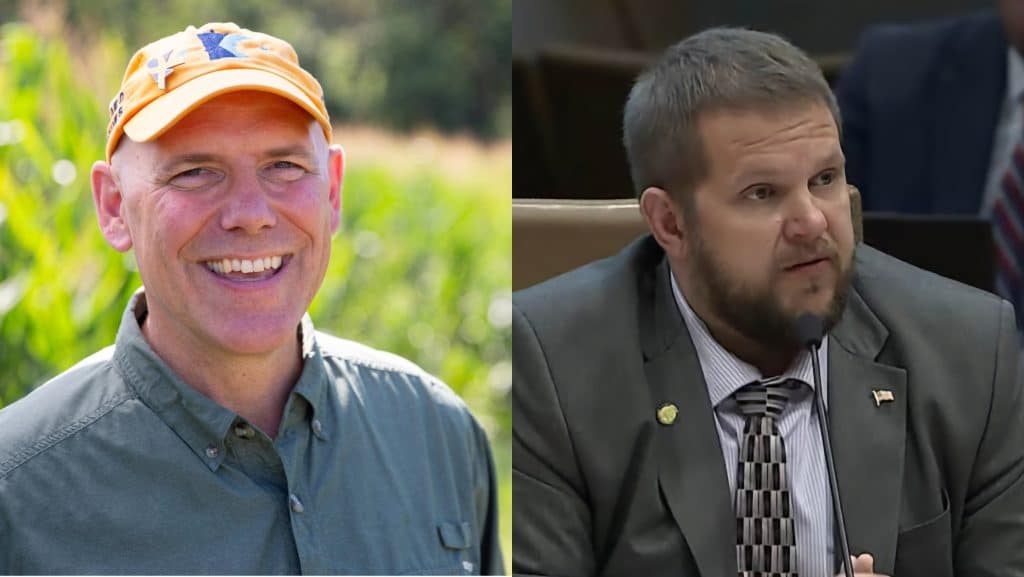
Minnesota GOP state Sen. Bill Lieske and his Democratic-Farmer-Labor (DFL) challenger Mark Legvold debated youth crime and the state’s paid family leave law during an Oct. 20 forum at the American Legion Post in Lonsdale, Minn.
Lieske is running for a second term. He won the seat four years ago with 53% of the vote.
What Lieske and Legvold said about crime
On gang violence and youth crime, Lieske said there are already strong laws in place. He said the problem is how they’re enforced and how arrests become convictions. He blamed the courts for going easy on reoffenders.
“There isn’t a law that we can change,” Lieske said. “We need to change our morality, and we need to change our enforcement. And that’s how I think we get forward to more public safety.”
Legvold talked about his time as a military police officer and as an educator in St. Paul schools. He said the state needs to spend more on enforcing laws and gang prevention, along with supporting police.
“But there’s another part of this,” said Legvold. “The people in our communities, regardless of where they live or what their nationality is, they need a sense of hope. And they don’t get that without a strong economy.”
Legvold and Lieske on health care
Up next was a question about the problems facing rural EMS services. Low pay and underfunding are making it harder for rural EMS to continue operating.
Legvold said the state needs to increase the reimbursement rates for EMS. But the bigger picture, he said, is rising insurance premiums that are unaffordable for many Minnesotans. He said people without insurance can’t afford ambulance rides or emergency room visits.
“That’s going to be the difference between them staying in their home and moving into something smaller,” he said. “That’s going to be the difference between them affording food for the next month or paying their bill. We can’t have that. People need health care.”
Lieske said he’s introduced bills that would let Minnesotans get medical services without going through traditional health care. One would let patients contract directly with their doctors. Another would let them write their own contracts with insurance companies.
“People have called it a commercial plan or a terrible thing, but the reality is it would drastically reduce the red tape that is our insurance currently,” he said. “Prior authorizations have gotten in the way. A lot of us are waiting on prior authorizations just to get the care that we know is needed.”
Lieske and Legvold debate family leave
They split on Minnesota’s paid family and medical leave program that passed in 2023 and began paying benefits Jan. 1, 2024.
Lieske said businesses should have the right to choose whether or not they want to offer paid leave to their workers. He said increasing rates are forcing businesses to close.
“Now, we mandate it. Now, it comes out of your paycheck directly to pay for a service that you may never use,” said Lieske. “We’re already paying exorbitant amount of taxes and now we’re paying another tax on our income.”
Legvold acknowledged the plan isn’t perfect and that he’s open to hearing from stakeholders and using good data before deciding how to change it. But the paid leave law, he said, has helped lots of rural Minnesotans.
“They’ve been able to take time off of work to take care of their elderly parent if an accident happened,” he said. “Well, that’s one less bill that that family has to absorb if they needed to send that elderly parent into a care facility. They’ve been able to stay home with their kids.”
Lieske: Before vaccines, ‘measles was a joke’
Lieske has a history of controversial comments that have, at times, made him something of a political lightning rod in the state.
The most recent one? When Lieske said that before vaccines, “measles was a joke.” The comment came during a podcast with his co-host, state Rep. Drew Roach (R-Farmington).
“There are an increased case number case loads,” Lieske said. “How many of those are actually resulting in deaths? How many of those are resulting in any sort of injury? Or are they just going home with the with the sniffles and it doesn’t they don’t feel good?” He reminisced about chickenpox parties when he was a kid and how he tried to get his children into one. (Measles and chickenpox are two different diseases caused by two different viruses.)
As of Nov. 1, MDH had reported 80 measles cases in Minnesota this year. Over 70% them were in Todd County, in the central part of the state. According to the CDC, there were 4,588 cases in the U.S. as of Oct. 22. Nearly all the people who got sick were not vaccinated or their vaccination status was unknown. About 10% of the cases were serious enough to require hospitalization.
The Lonsdale Chamber of Commerce held the Oct. 20 forum. Their debate begins 1:11:04 into the video below.

Heartland Signal encourages news organizations and content creators to use our content. You're welcome to republish this article for free as long as you follow our republishing guidelines.
Related Articles
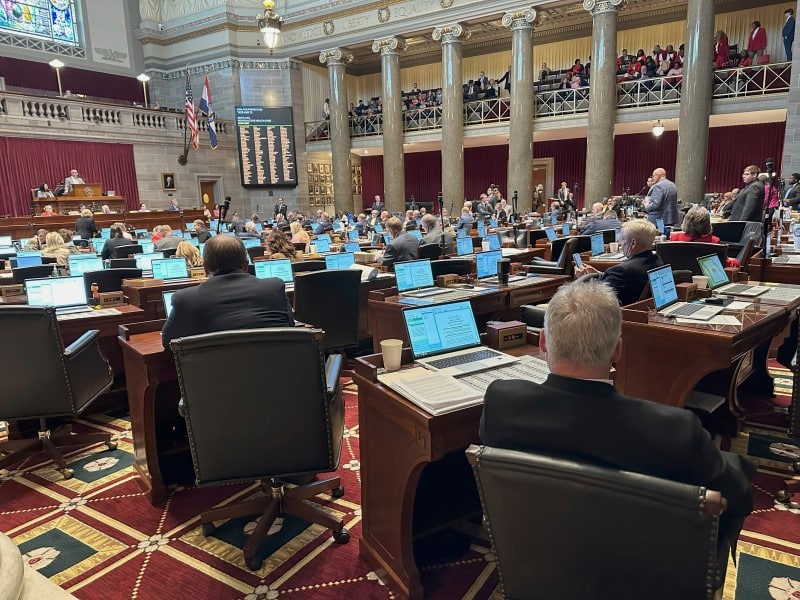
Abortion rights and gender-affirming care are on the Missouri ballot
Missouri Amendment 3 comes two years after voters approved abortion rights in 2024, with lawmakers placing this new amendment on the ballot rather than it originating from a citizen initiative. Reproductive rights advocates are rallying voters to see through what they call “tricky measures.”
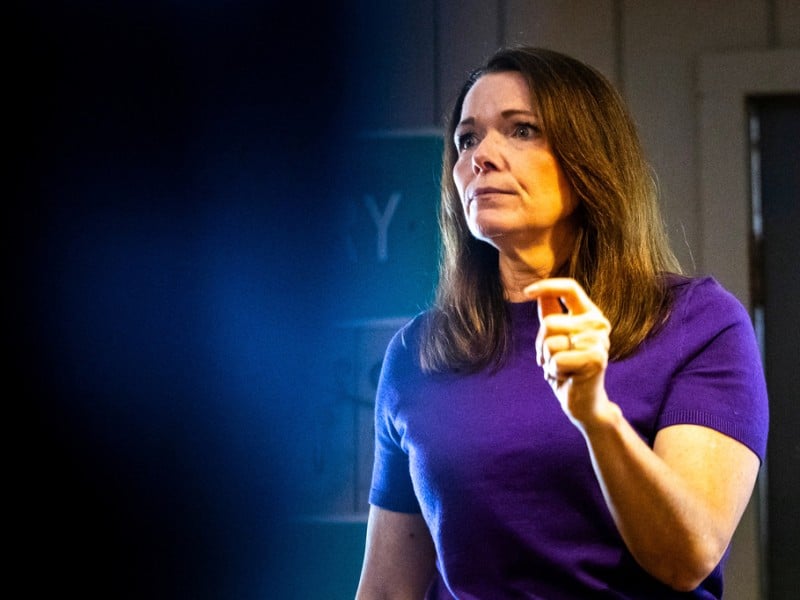
Iowa’s 1st District: Bohannan’s plan for farm runoff and PFAS
As nitrate and PFAS pollution raise cancer concerns statewide, Democratic nominee Christina Bohannan’s approach contrasts with Rep. Mariannette Miller-Meeks, who opposed expanded federal PFAS regulation.
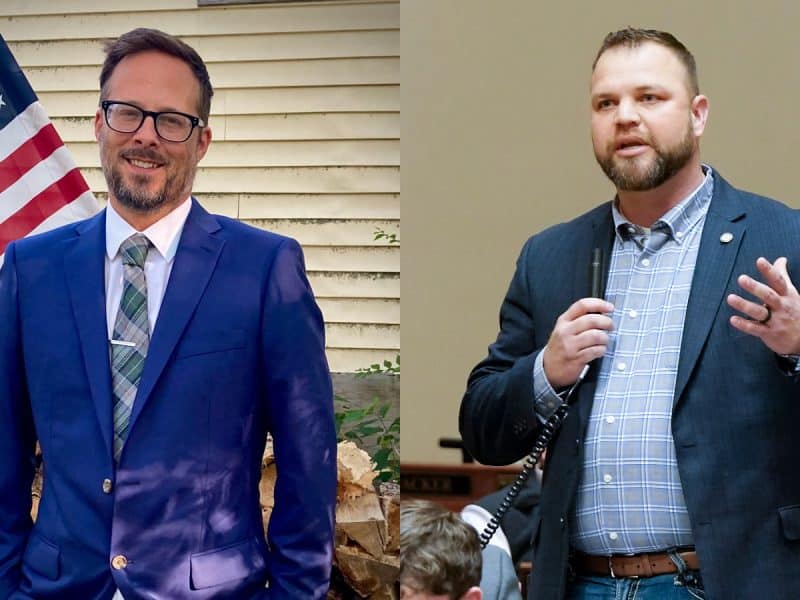
In a closely split Minnesota House, Duran and Olson meet again in 2A
Republican Rep. Bidal Duran and DFL challenger Reed Olson meet again Nov. 3 in a district Duran won by 851 votes in 2024, with control of a closely divided Minnesota House at stake.