
Abortion rights and gender-affirming care are on the Missouri ballot
Missouri Amendment 3 comes two years after voters approved abortion rights in 2024, with lawmakers placing this new amendment on the ballot rather than it originating from a citizen initiative. Reproductive rights advocates are rallying voters to see through what they call “tricky measures.”
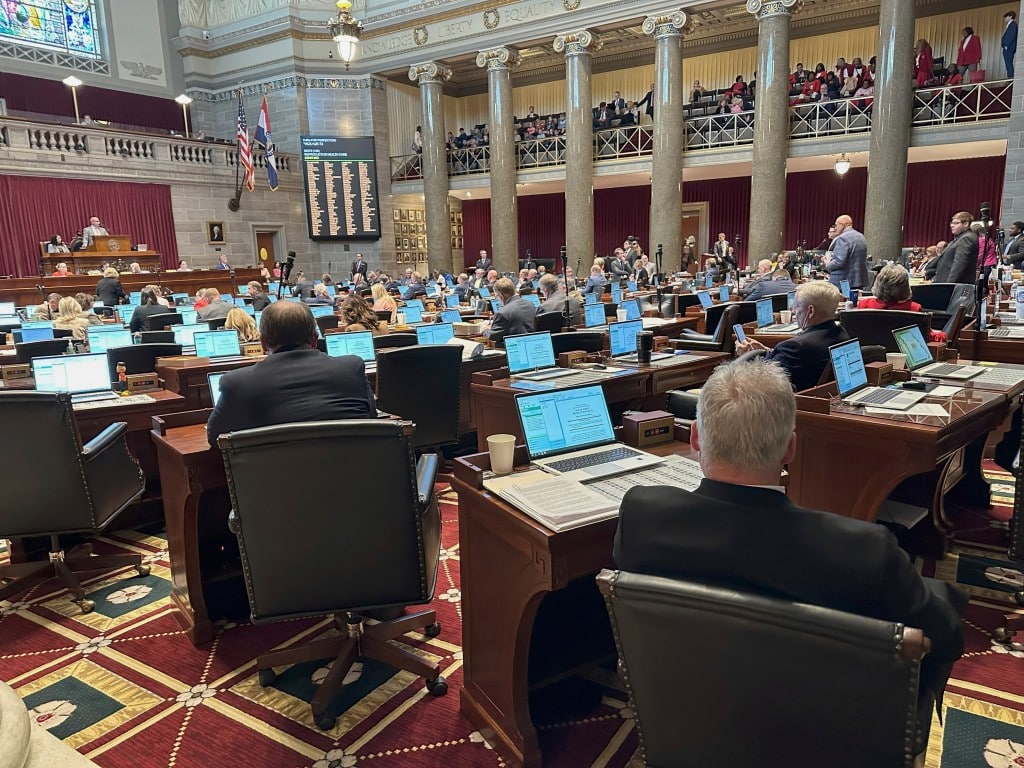
On Tuesday, Nov. 3, Missouri voters will decide whether abortion should be legal — again.
Amendment 3 proposes amending the Missouri constitution to ban abortion except for medical emergencies and fetal anomalies, and for rape or incest only in the first 12 weeks of pregnancy. It would also ban gender-affirming care — including puberty blockers, hormone replacement therapy and surgery — for transgender minors. Like the 2024 abortion-rights measure, the new proposal appears on the ballot as Amendment 3.
But Missouri already voted on abortion rights two years ago, and Missouri lawmakers have already outlawed gender-affirming care for minors. Reproductive rights advocates say the amendment is the latest attempt by state lawmakers to trick voters into banning abortion.
How it got on the ballot
The ballot measure isn’t a product of citizen organizing. Missouri lawmakers passed House Joint Resolution 73 in 2025, sending the amendment to voters.”
Mallory Schwarz, the executive director of Abortion Action Missouri, said the amendment had been months in the making.
“From the start, as soon as we passed the right to protect our freedom in 2024, politicians began plotting to overturn that right,” she said. “And they’ve used every tricky measure that they could come up with to try to overturn the will of voters.”
Missouri is one of several states where Republican lawmakers have repeatedly tried to reverse citizen-led ballot initiatives this way.
Changing abortion access
The 2024 ballot measure passed with 51.6% of the vote.
But that didn’t make abortion immediately accessible. Planned Parenthood’s lawsuit under the 2024 amendment spent months in the courts challenging older Missouri laws.
In 2019, Missouri passed a law that included an eight-week ban and a ‘trigger’ ban on nearly all abortions. The attorney general activated the trigger ban the day the Supreme Court overturned Roe v. Wade in June 2022.
Before then, abortion was already nearly inaccessible thanks to targeted restrictions on abortion providers (TRAP laws). Those can include requirements like being within a certain distance of a hospital (surgical abortion is an outpatient procedure), reporting patient data to the state and building requirements that are difficult for providers to meet. By the time Missouri’s abortion ban took effect in 2022, there was only one clinic in the entire state providing abortions.
That’s changed thanks to the 2024 ballot initiative. Surgical abortions became available in early 2025 after a court injunction. But medication abortions weren’t accessible in the state until last June, when a circuit court judge struck down many of those restrictive laws and the statewide ban.
There are currently six clinics across Missouri that provide surgical and medication abortions, Schwarz said.
Restricting health care for trans youth
Gender-affirming medical care for minors is already illegal in Missouri, and the state’s Medicaid program won’t cover it at any age. Legislators passed a bill in 2023 that prohibited prescribing hormone replacement therapy, puberty blockers and performing surgeries for transgender minors (who rarely qualify for gender-affirming surgical procedures).
The law’s ban on puberty blockers and hormone therapy for minors expires in August 2027 unless lawmakers renew it. The surgery ban is permanent. Amendment 3 would make the ban harder to undo by adding it to the Missouri constitution.
It’s become a major focus for proponents of the amendment. In response, PROMO, the LGBTQ+ rights organization that is part of the coalition behind Stop the Ban, has organized canvassers to talk to voters about trans rights. But most of the organizing against Amendment 3 has focused on the abortion ban.
Stop the Ban, the campaign opposing Amendment 3, a coalition that includes the state’s Planned Parenthood affiliates, Abortion Action Missouri, the ACLU of Missouri and PROMO. On its website, Stop the Ban only mentions the gender-affirming care ban twice total, to confirm that it is already illegal. Abortion Action Missouri’s FAQ about Amendment 3 only mentions abortion.
PROMO directed Heartland Signal to Stop the Ban for comments on the amendment. When asked about how the ban on gender-affirming care could affect voters’ decision, Schwarz said it was a political tactic.
“The bottom line is that health care for transgender youth was already banned by those same politicians that banned abortion,” she said. “And so what those politicians are trying to do now is mislead voters in order to overturn the will of the people and ban abortion again.”
But Schwarz is confident voters will see through these tactics.
“Regardless of anyone’s personal feelings about abortion, which we know can be a complex and nuanced issue, people do not like their votes being messed with,” she said. “They do not think that politicians should get to overturn something just because they don’t like it.”
Heartland Signal encourages news organizations and content creators to use our content. You're welcome to republish this article for free as long as you follow our republishing guidelines.
Related Articles
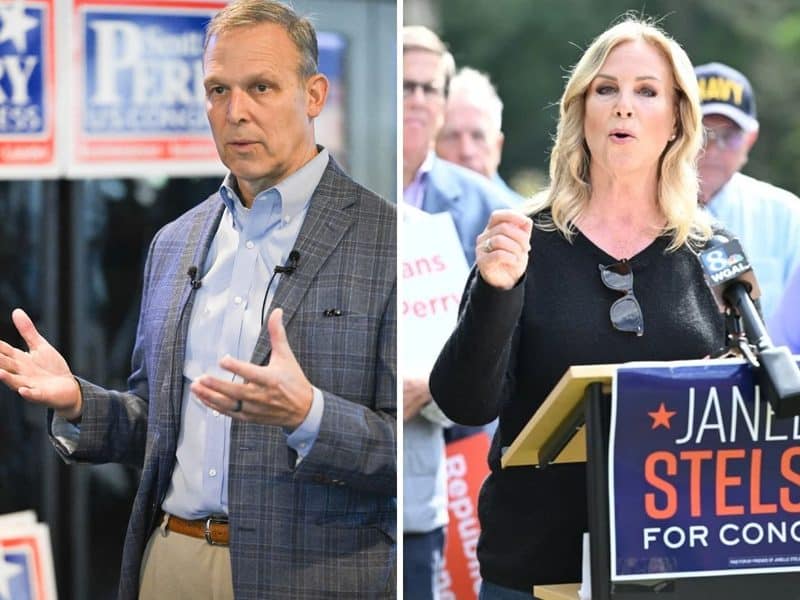
Pennsylvania data center costs: Where Perry and Stelson stand
Electricity bills in Pennsylvania’s 10th District rose 61% as data center growth strains the power grid, fueling a campaign clash between Rep. Scott Perry and challenger Janelle Stelson.

Michigan Senate race: Mike Rogers’ literacy test plan for government assistance
In Michigan, hundreds of thousands rely on SNAP and Medicaid to get by. Republican Senate candidate Mike Rogers wants to require reading assessments and remediation before they can access that help.
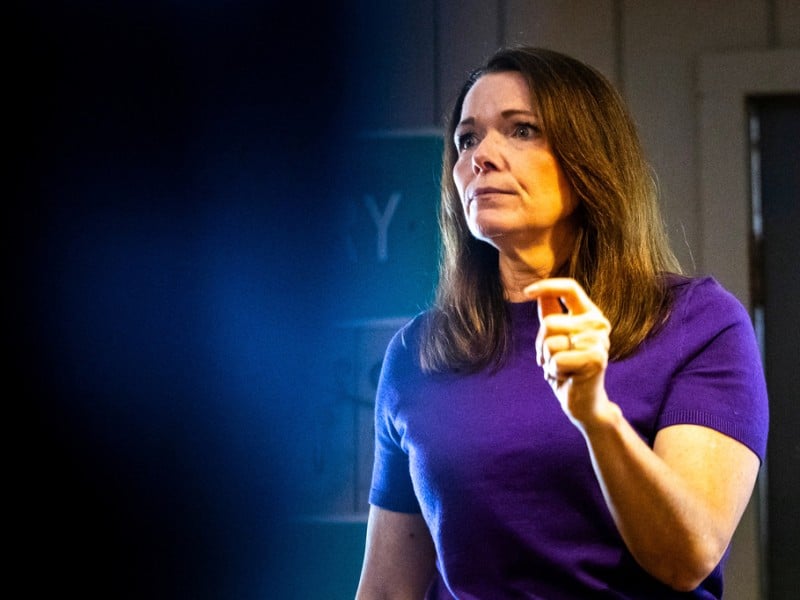
Iowa’s 1st District: Where Christina Bohannan stands on gun policy
Iowa Democrat Christina Bohannan shoots at the range and backs gun rights. So why has gun safety group Everytown spent nearly $1.5 million boosting her campaign? A look at her voting record and where she stands on assault-style weapons.