
Minnesota state Senate candidates Glaser and Pierson debate fraud, affordability and gun violence at forum
A seat long held by Republicans is now considered a tossup. The winner in this race could determine which party controls the state Senate in 2027 and beyond.
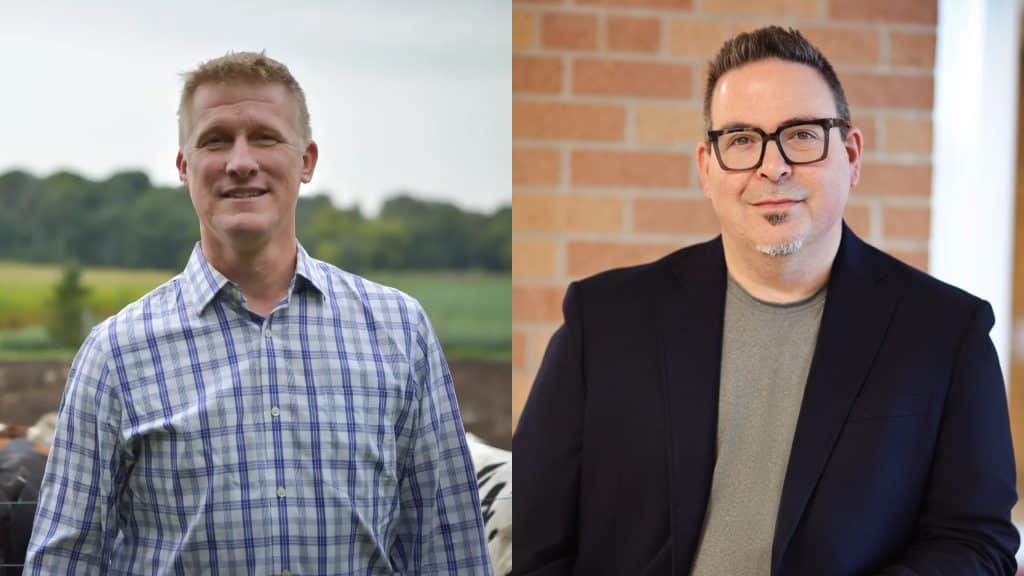
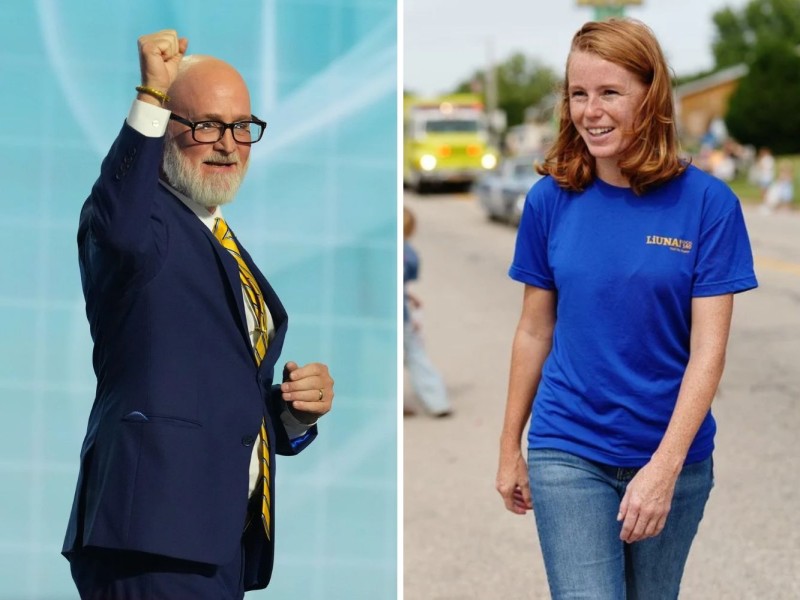
Absentee voting is underway in Minnesota Senate District 24. Here’s where the two candidates stand. At a League of Women Voters forum Sept. 9, Republican Nels Pierson and DFLer Simon Glaser split on guns, voter ID and data centers, and on what’s driving up the cost of living.
The two men who want to represent Minnesota Senate’s 24th District, Republican Nels Pierson and Democratic-Farmer-Labor (DFL) candidate Simon Glaser, laid out competing visions during a forum last month. The seat is open because Carla Nelson (R) is retiring.
The Sept. 9 event, moderated by the League of Women Voters, focused on fraud, data centers, gun violence, election integrity and affordability.
Where Glaser, Pierson stand on affordability
DFL candidate Simon Glaser is a teacher in the Rochester public schools. He said teachers, like everyone else, face more difficult challenges than he did when he started out in the 1990s.
“They’re having trouble finding affordable housing. Many of them are putting off having children. The ones who have children can’t afford child care or health care,” said Glaser.
He wants consumer protections to prevent price gouging, a cap on fees for late utility bills, a manufactured housing bill of rights and to stop outside corporations from buying homes and increasing rents.
His opponent, Republican Nels Pierson, is a small business owner. He said he had to increase his prices to keep up with inflation, but it was a huge jump in property taxes that made things worse. He criticized the state’s expensive vehicle registration fees and said Democrats want to raise them even higher.
Then, he laid some of the blame on the state’s ongoing fraud scandals.
“I think life would be a little more affordable in the state of Minnesota if we had avoided a lot of fraud that took place over the last several years,” said Pierson. “There’s $9 billion worth of funds that could have funded a lot of things.”
Pierson is referring to a series of fraud accusations made against Minnesota’s social service programs. Last December, federal prosecutors estimated the amount could top $9 billion, but later admitted that amount wasn’t based on any official auditing. So far, about $500 million in fraud cases are being prosecuted.
Glaser and Pierson on guns
The differences between the two candidates sharpened on the issues of guns, data centers and election integrity.
Pierson called gun violence “atrocious” and said the state needed to focus on what works, such as prosecuting violent offenders, keeping guns out of the hands of criminals and placing safety officers and guidance counselors in schools.
Glaser said that when he began teaching, active shooter drills didn’t exist. But now, he said, he finds students cowering in a corner while they pretend someone entered the school with a deadly weapon. He called for a ban on military-style assault weapons and high-capacity magazines.
Election integrity and voter IDs
“People are concerned when I’m knocking on doors that their votes are going to count. They are worried,” said Glaser. He said he was confident that state and local officials were working hard to ensure the integrity of local elections. But he wasn’t so sure about what was happening at the federal level.
“We have a federal government, an administration that has shown a disregard for the sanctity of our vote,” Glaser said. “I think that that is something that we are going to have to work hard to protect here in Minnesota.”
Pierson hears similar concerns from voters and wants the state to require IDs for voting.
“I always struggle with this issue, because I hear the claim that all our votes are counted, and that we have this high turnout,” he said. “I guess I may never understand what’s so hard about showing an ID when you go to the polls.”
“It would just give so many people more comfort in the integrity of our elections,” he added.
Minnesota voters have weighed in on this issue before. In 2012, they rejected a constitutional amendment to require photo IDs for voting.
As for data centers for artificial intelligence, both Pierson and Glaser expressed concern about the possible environmental and economic impacts on Minnesota communities. While Glaser wants a moratorium on data centers, Pierson does not.
Absentee voting in Minnesota is underway and voters who want to drop off their ballots early can do so now.
Election Day is Tuesday, Nov. 3. Absentee voting is already underway, and ballots must be returned by Election Day to count. Voters can find drop-off locations, return deadlines and a ballot tracker through the Minnesota Secretary of State.
Video of the debate is embedded below:
Heartland Signal encourages news organizations and content creators to use our content. You're welcome to republish this article for free as long as you follow our republishing guidelines.
Related Articles
Iowa’s Miller-Meeks seeks reelection in a district where she neither lives nor votes
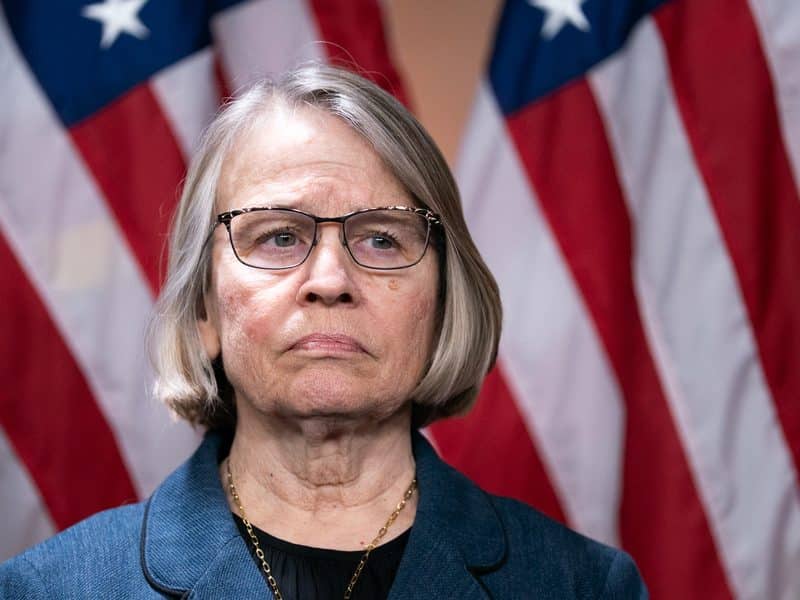
U.S. Rep. Mariannette Miller-Meeks is asking Iowa’s 1st District voters to send her back to Congress — but she won’t be voting for herself. Records confirmed by election officials show Miller-Meeks is registered to vote outside the 1st District in Wapello County.
Iowa governor race: Who’s funding Zach Lahn and Rob Sand
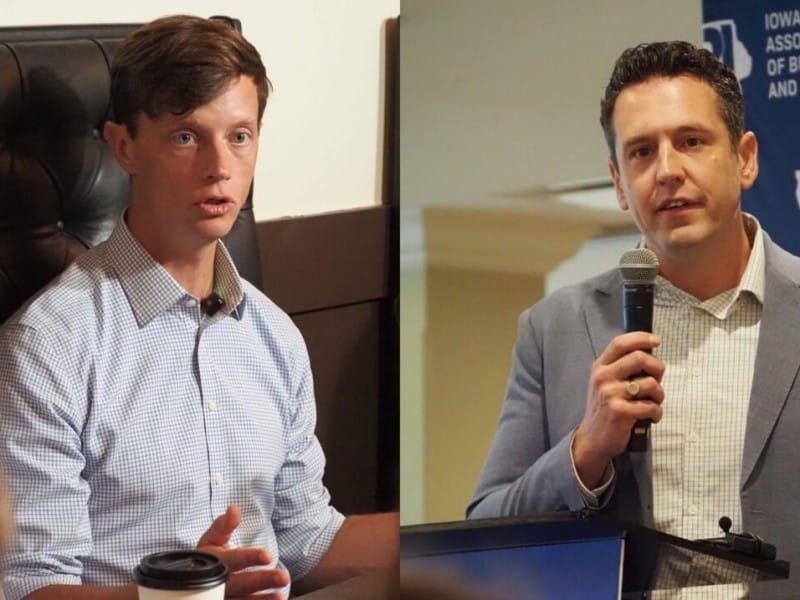
The Republican Governors Association has given Zach Lahn more than $15 million. Most of Rob Sand’s money comes from Iowa donors, including his wife’s family.
Wisconsin 3rd District: Where Van Orden, Cooke stand on power lines
Proposed 765-kV power lines tied to data center demand are now an issue in Wisconsin’s toss-up 3rd District race. Here’s where Cooke and Van Orden stand.